The Quilt
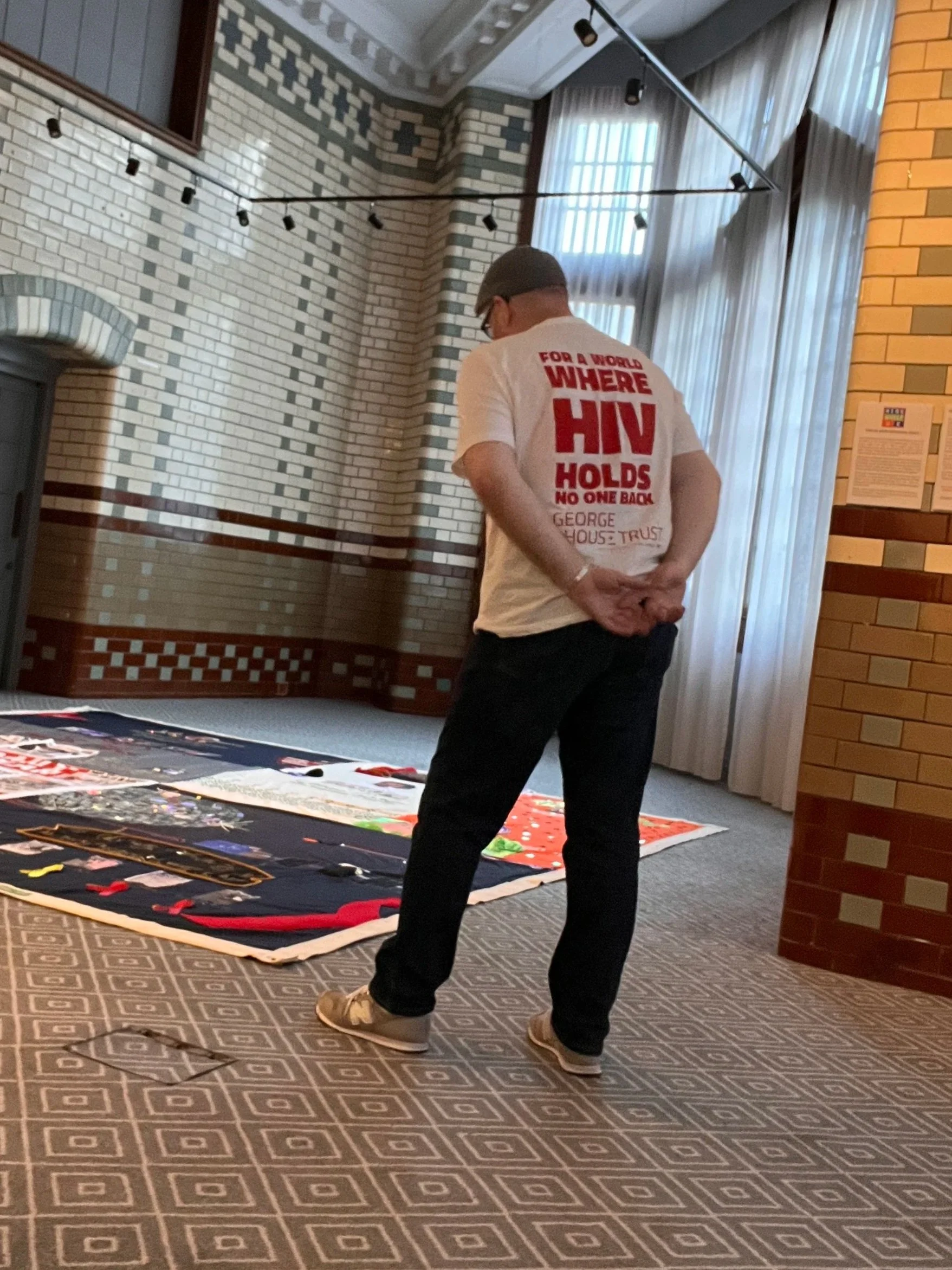
The Display
The Parade
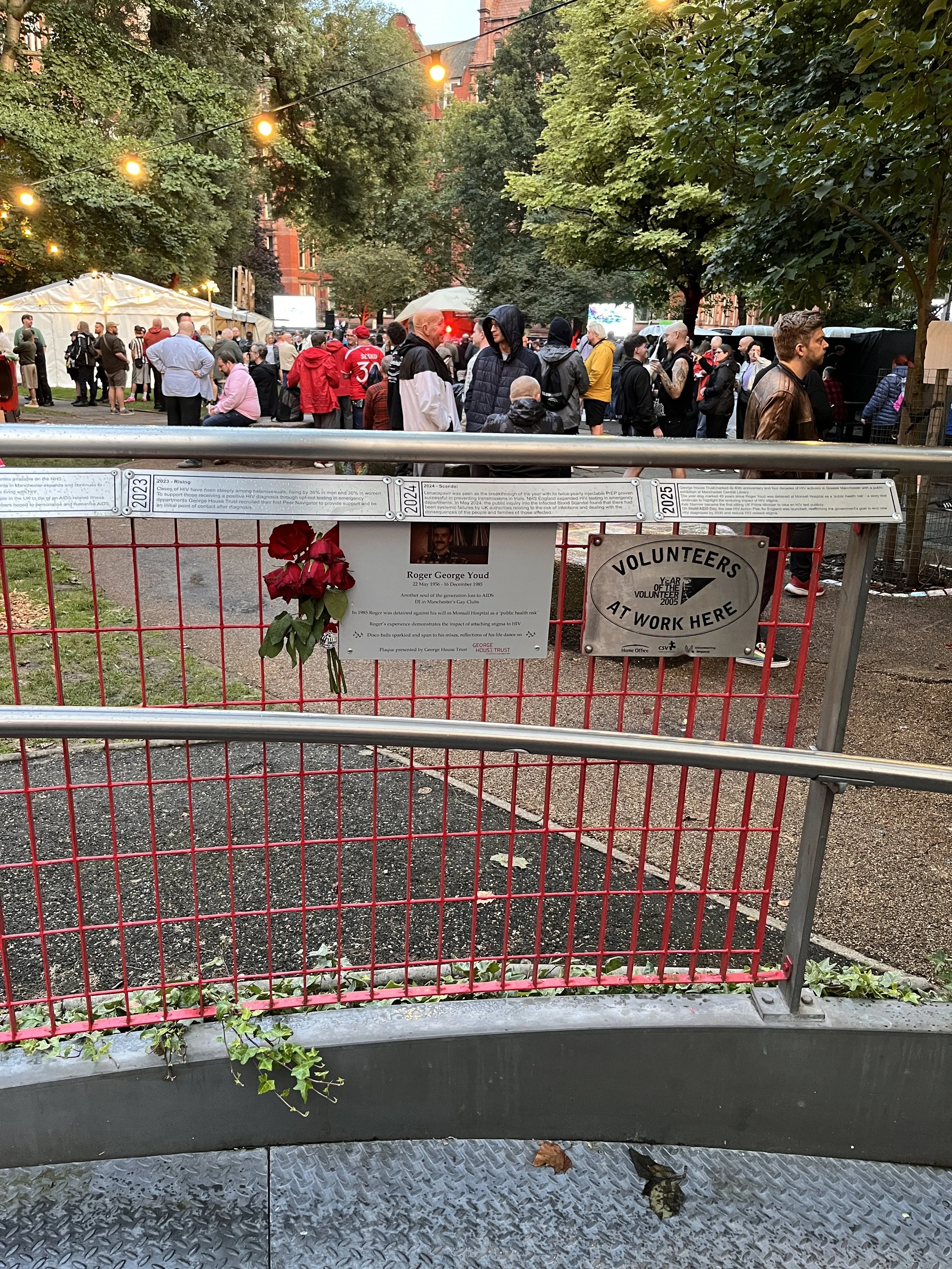
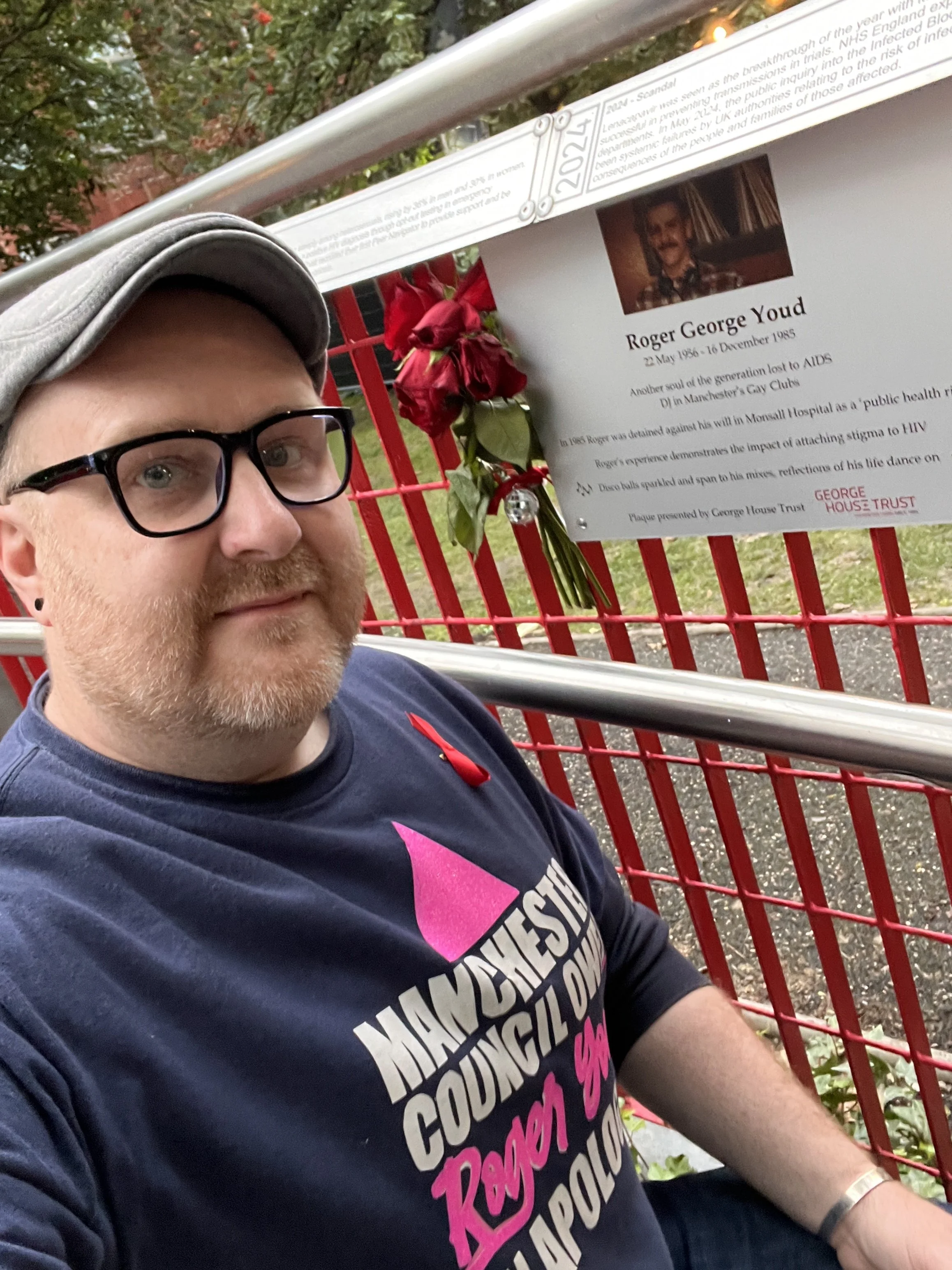
Memorial: New Plaque championed by Roger’s friend Antony aka ‘Tufty’.
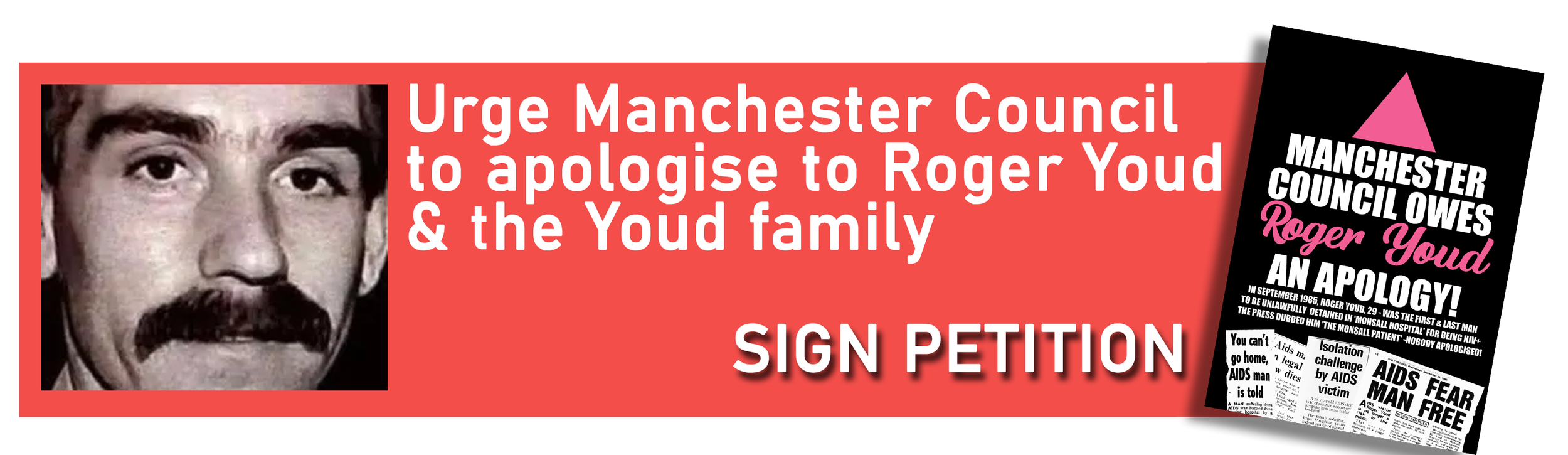
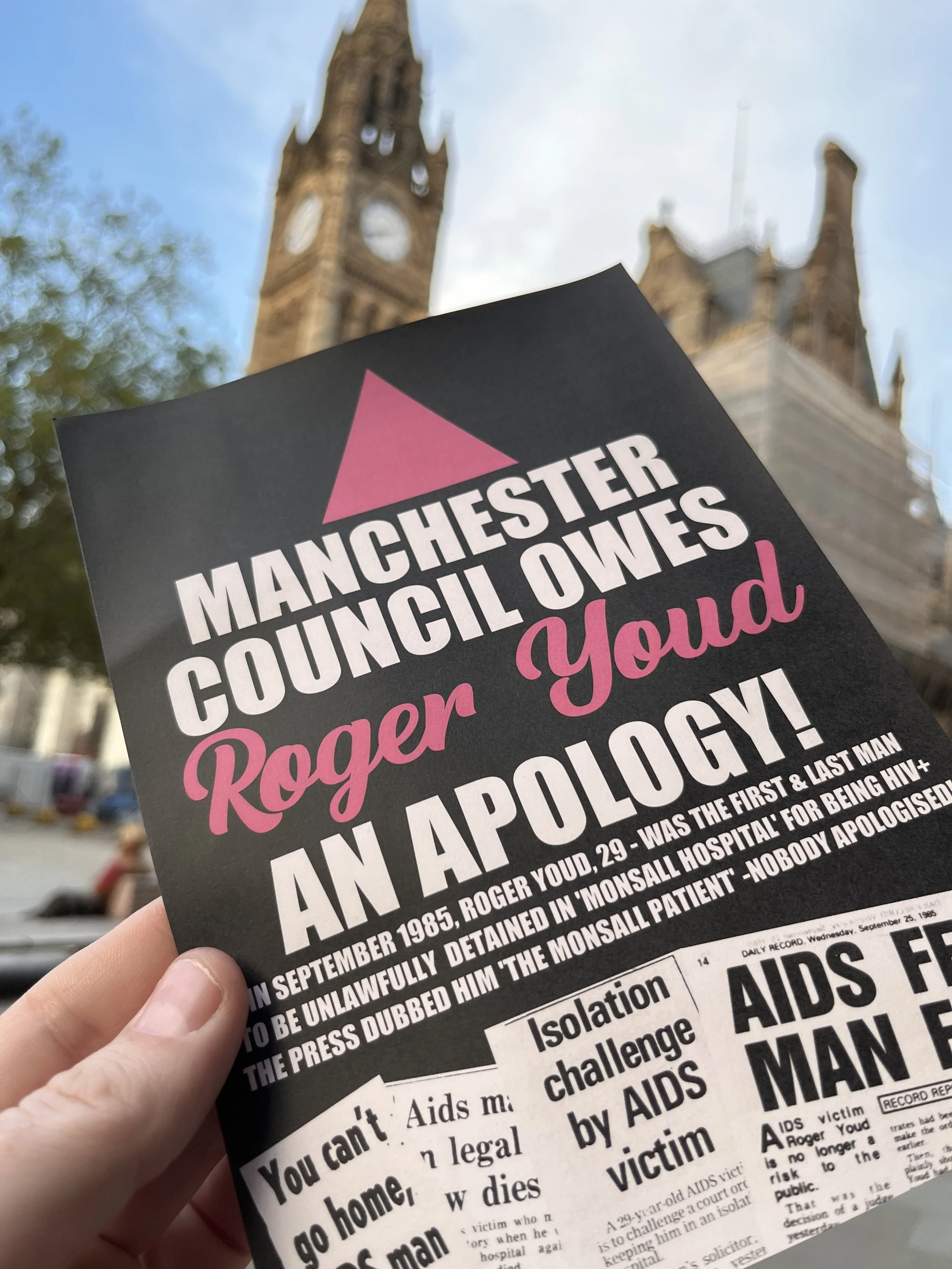
I have followed the historic case of Roger Youd, a 29‑year‑old man who in 1985 was forcibly detained at Monsall Hospital solely because he had been diagnosed with AIDS and wanted to go home; Manchester Council and its chief medical officer sought a Section 38 order under the 1984 Public Health Act even though HIV/AIDS was not a notifiable disease and the Act was used behind both Roger’s and his family’s backs. With urgent support from Manchester AIDS Line (now George House Trust) and the Terrence Higgins Trust, the order was rescinded on appeal after ten days, but not before his detainment ignited local, national and international outrage and protests.
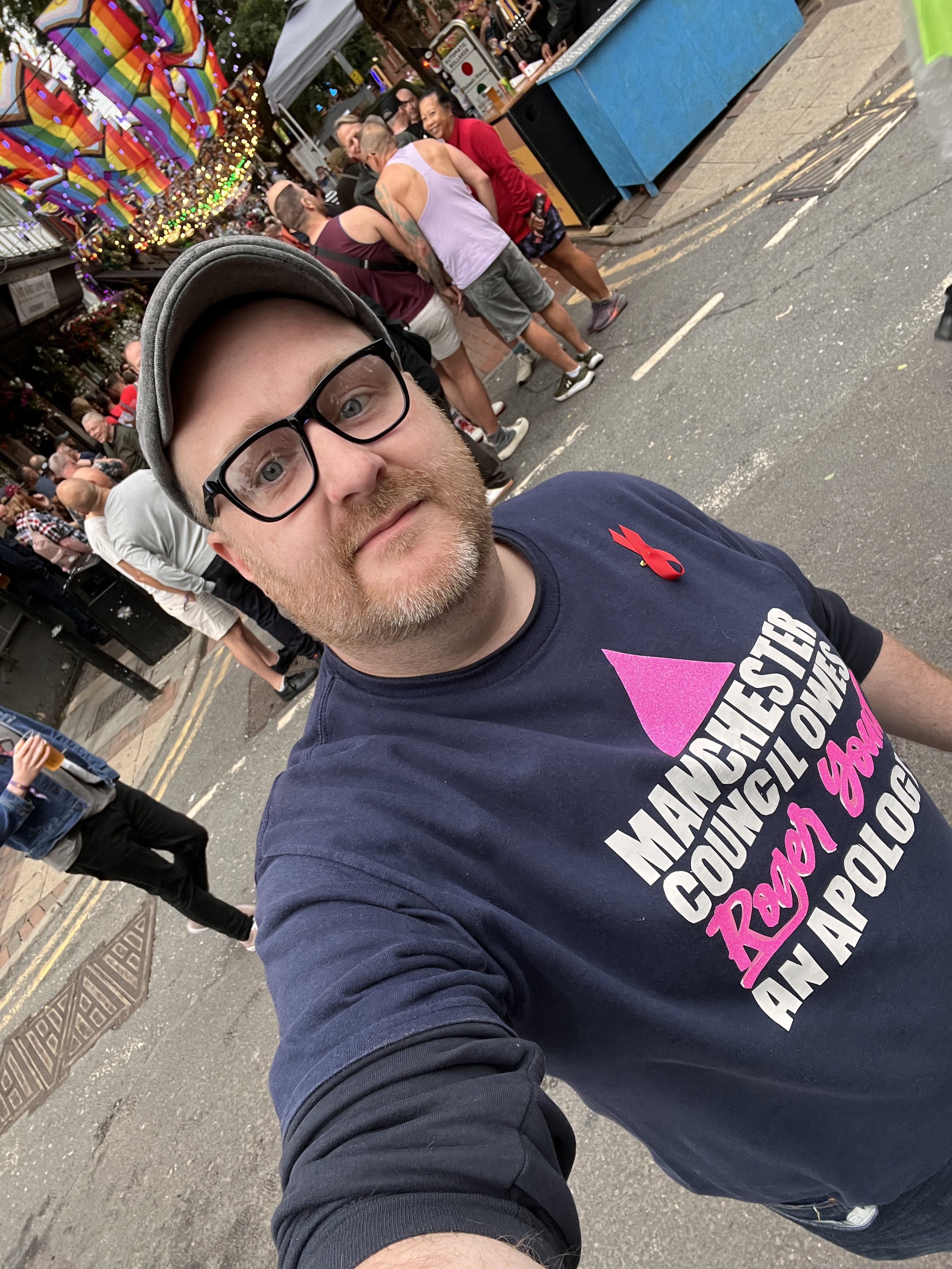
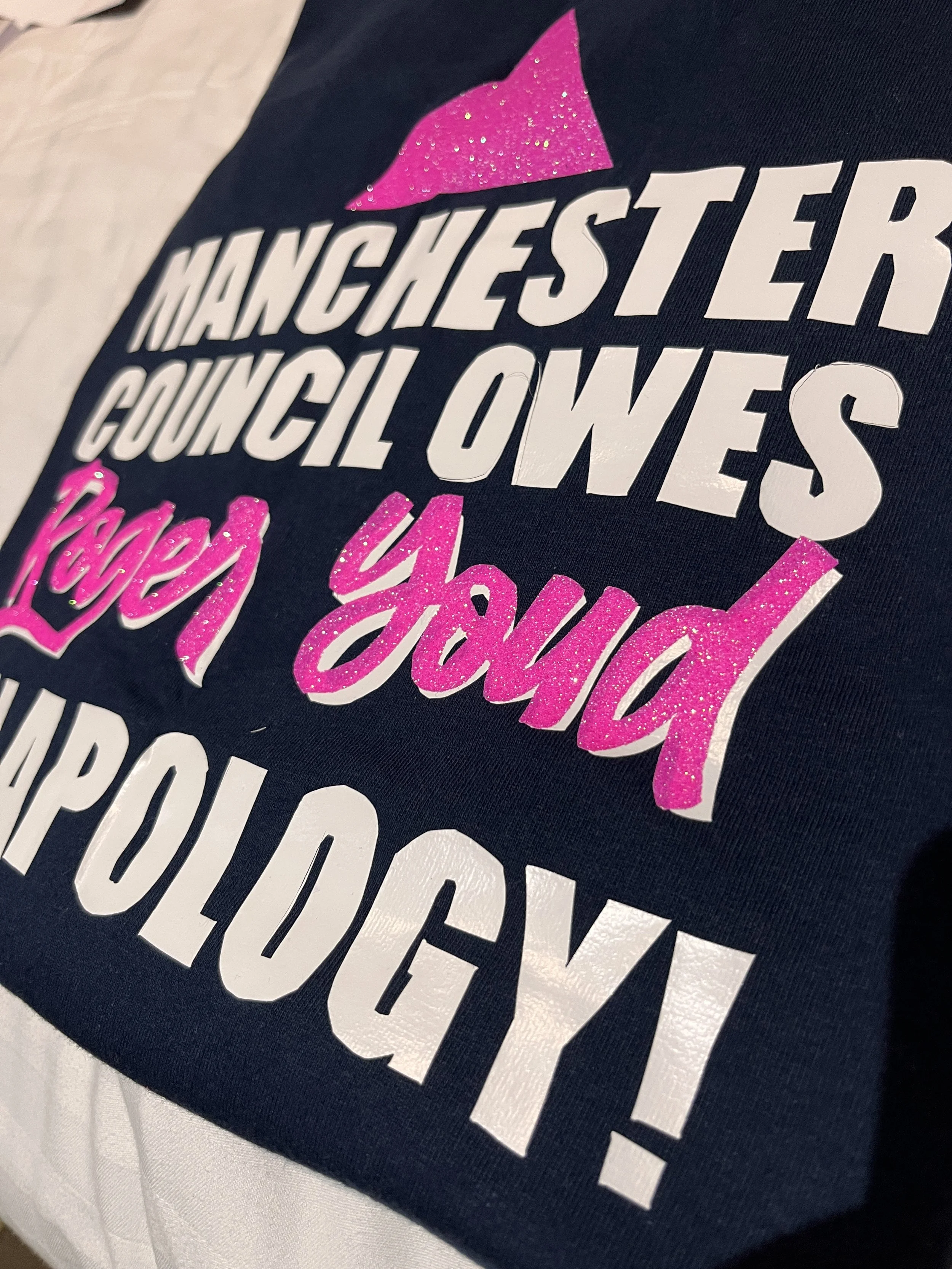
Forty years later, on my podcast "AIDS: The Lost Voices," looked at the news coverage of 1985 and connected with Roger’s brother Carlton—who’d liaised with the hospital at the time—who told me, “…you know Will, nobody ever apologised.” After the order was lifted the chief medical officer, Dr Anna Jones, was said to have taken early ‘retirement’ and the council went quiet; my campaign for a posthumous apology culminated in a statement by Manchester Council to the Manchester Evening News on 9 August 2026 that: “Mr Youd’s treatment was unacceptable and is something we profoundly regret,” words that, while encouraging, stopped short of a full, sincere apology, so we took the campaign to the doorstep of Manchester City Council during Manchester Village Pride.
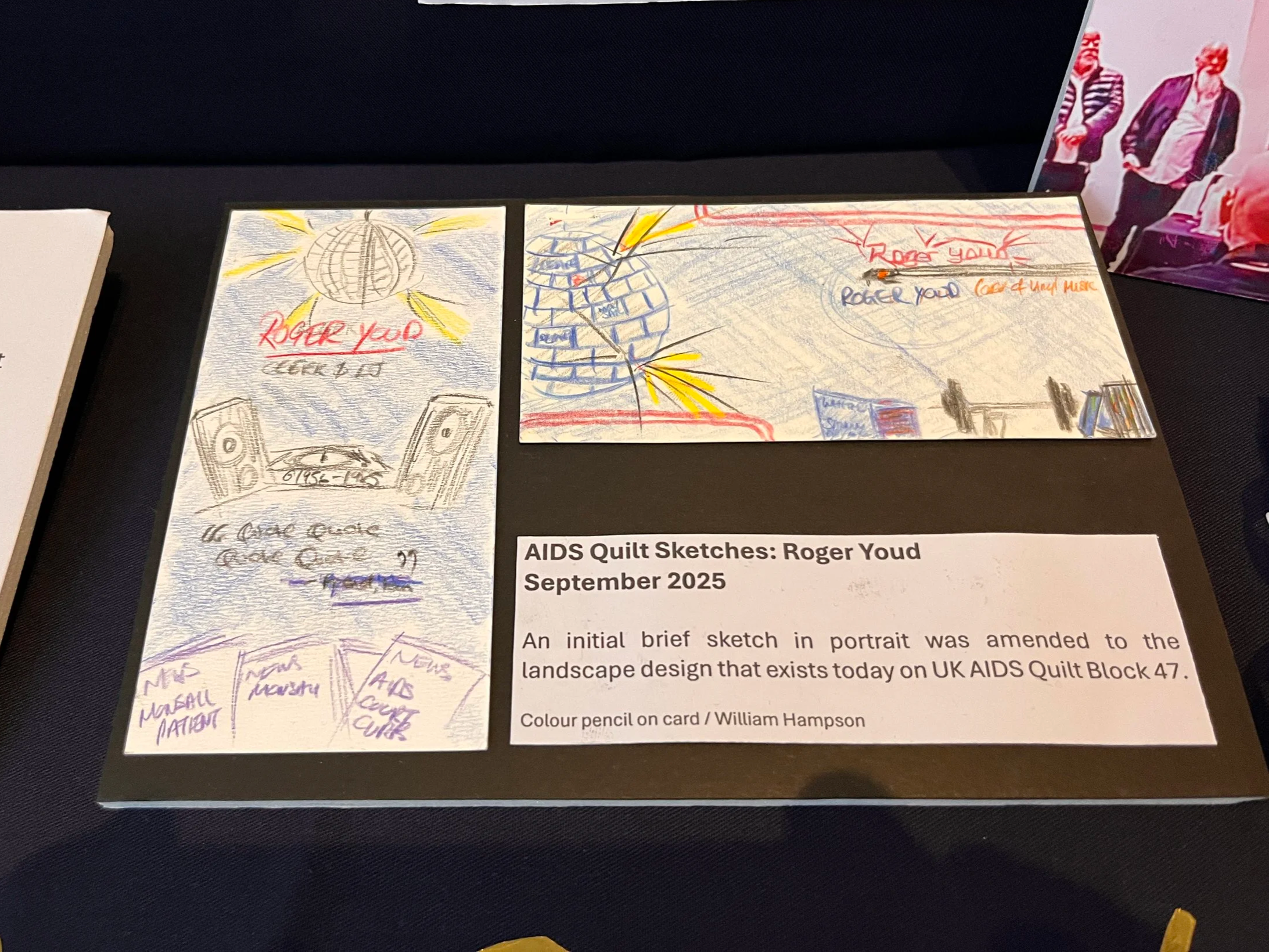
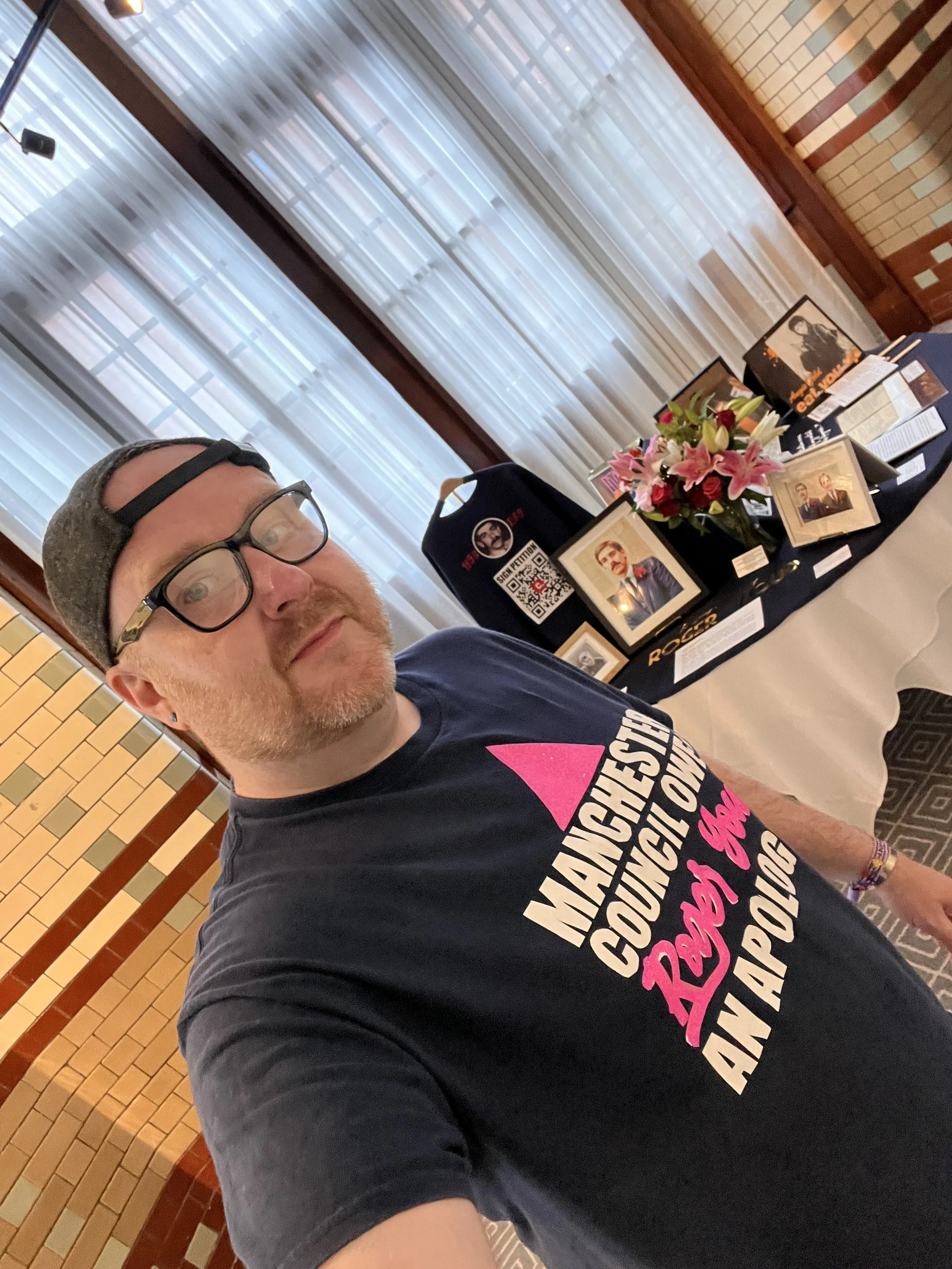
As creator of UK AIDS Quilt – Block 47, and with special permission from the UK AIDS Memorial Quilt, I brought the quilt to Manchester Village Pride and worked with the Youd family on a display honoring Roger and showing visitors that there was more to this young man than the headlines that had defined his detainment.

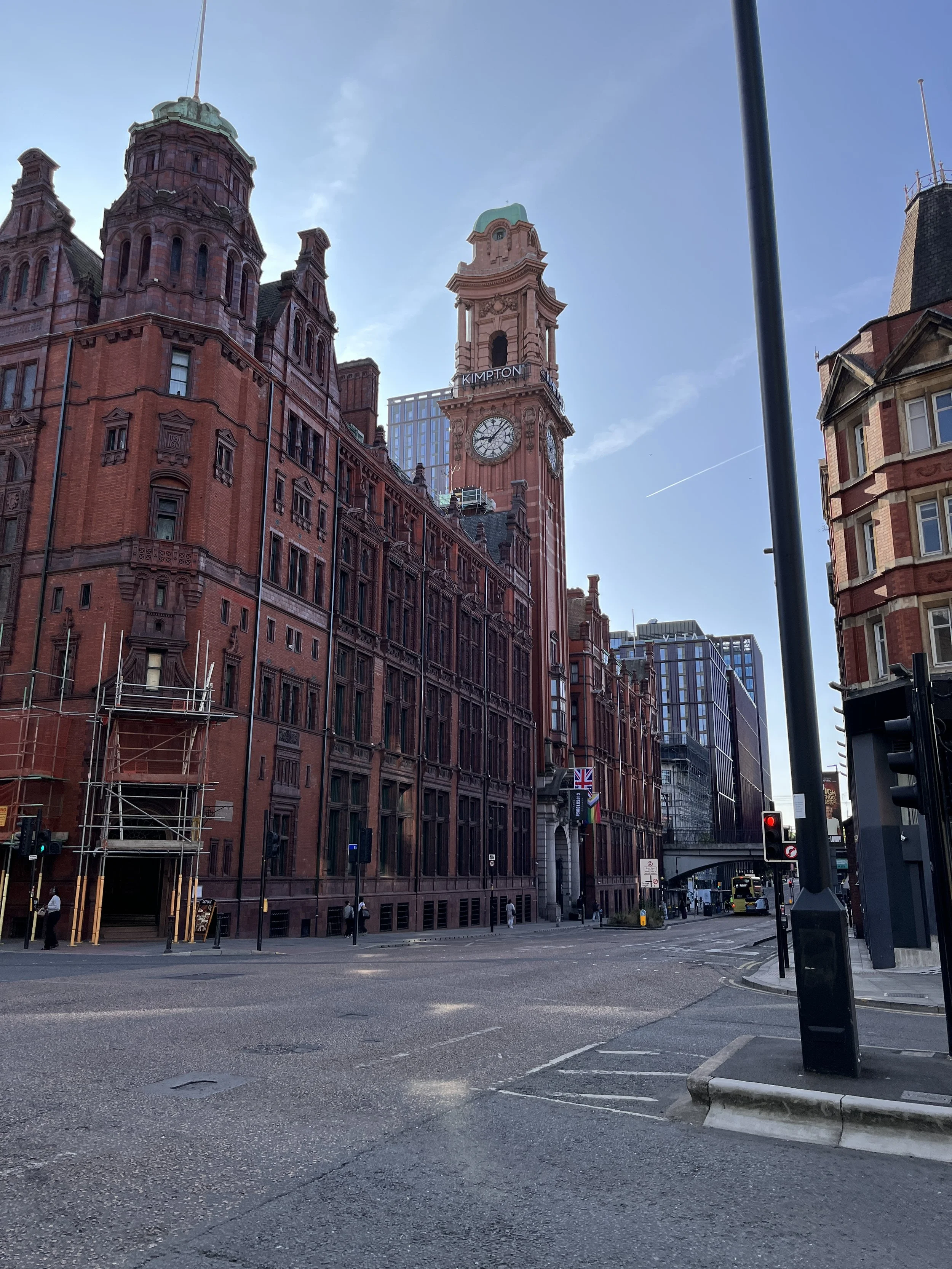
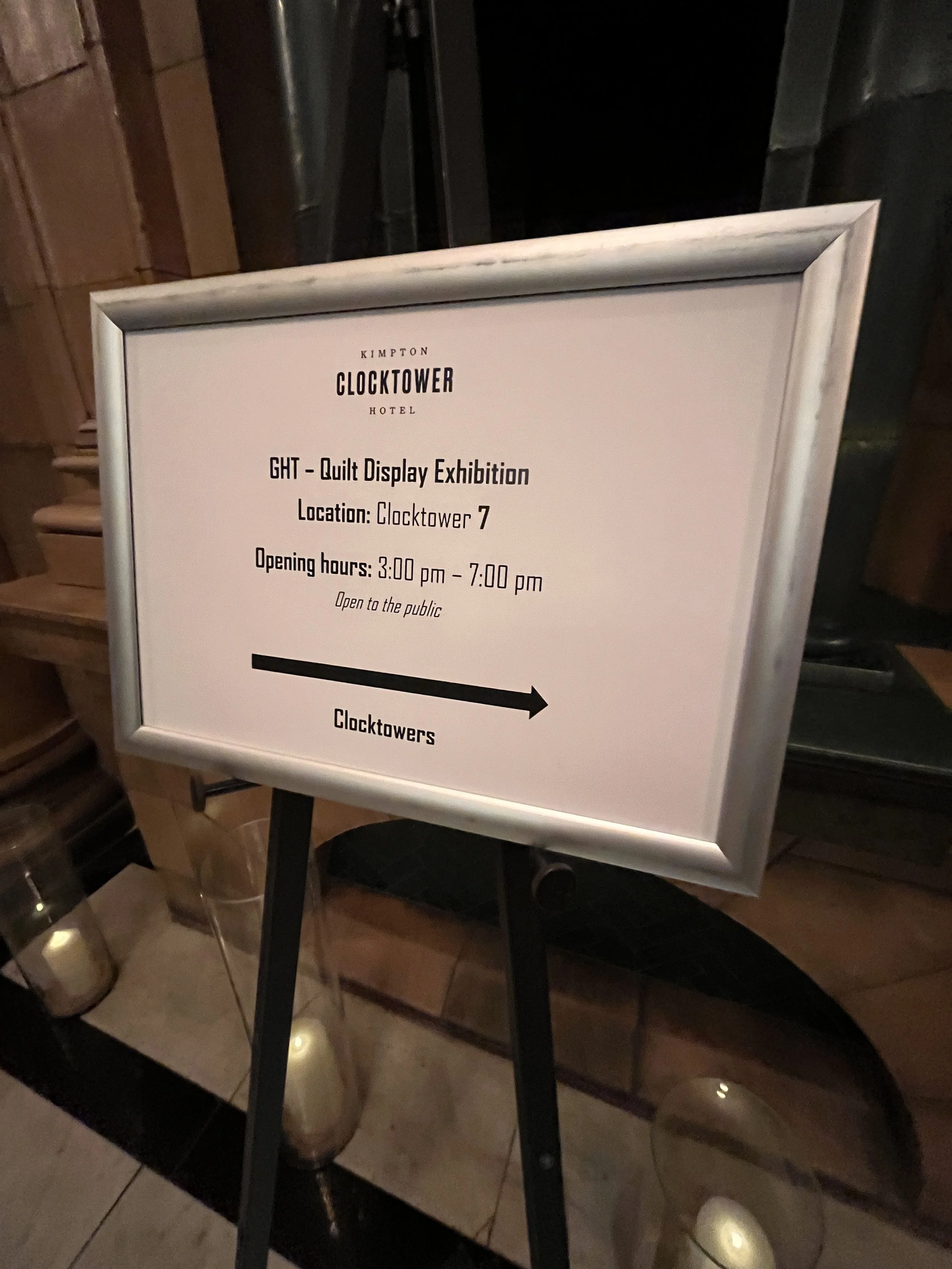
Kimpton Clocktower Manchester Mon 24 Aug - Mon 31 Aug 2026 3pm - 7pm
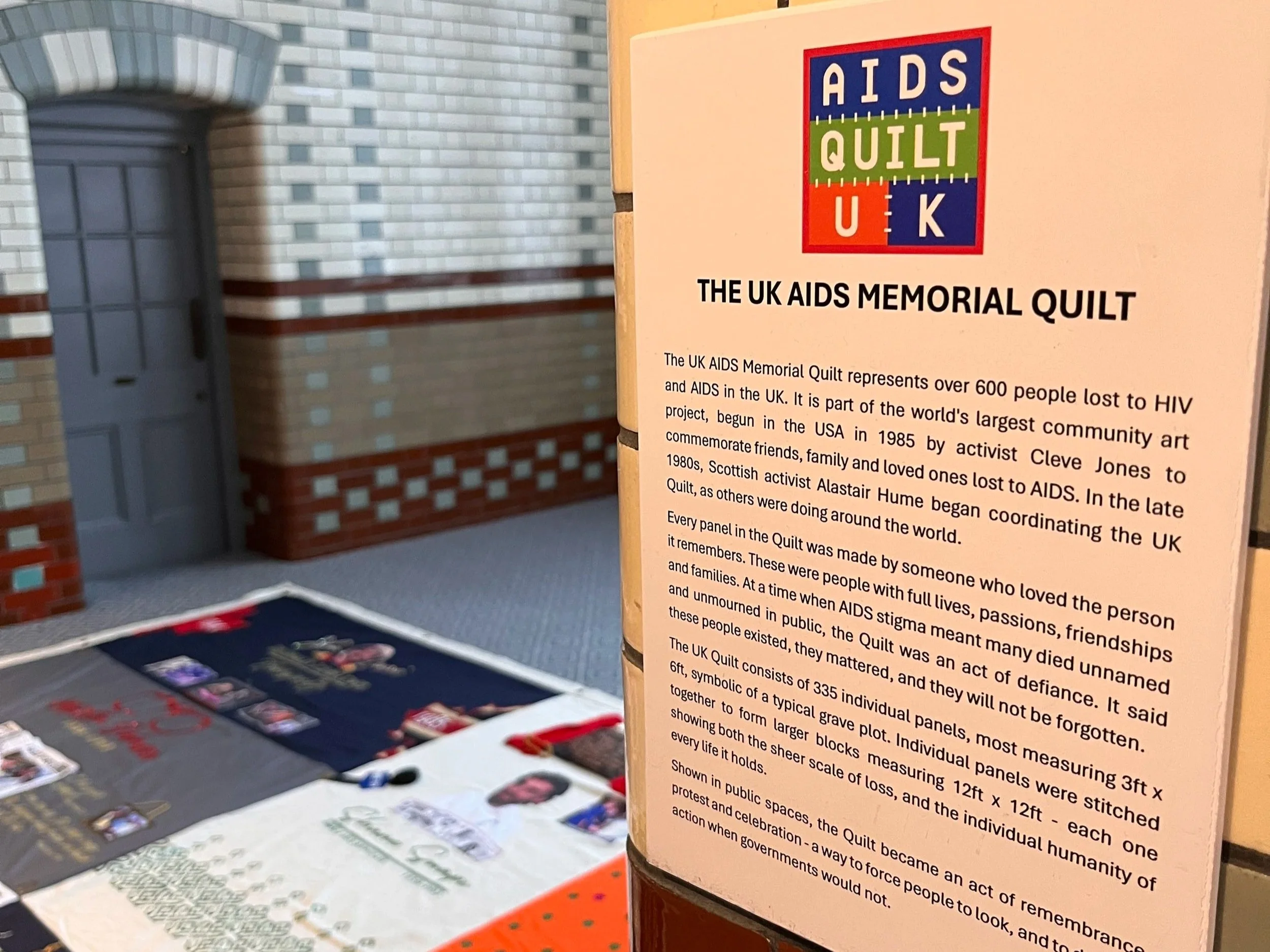
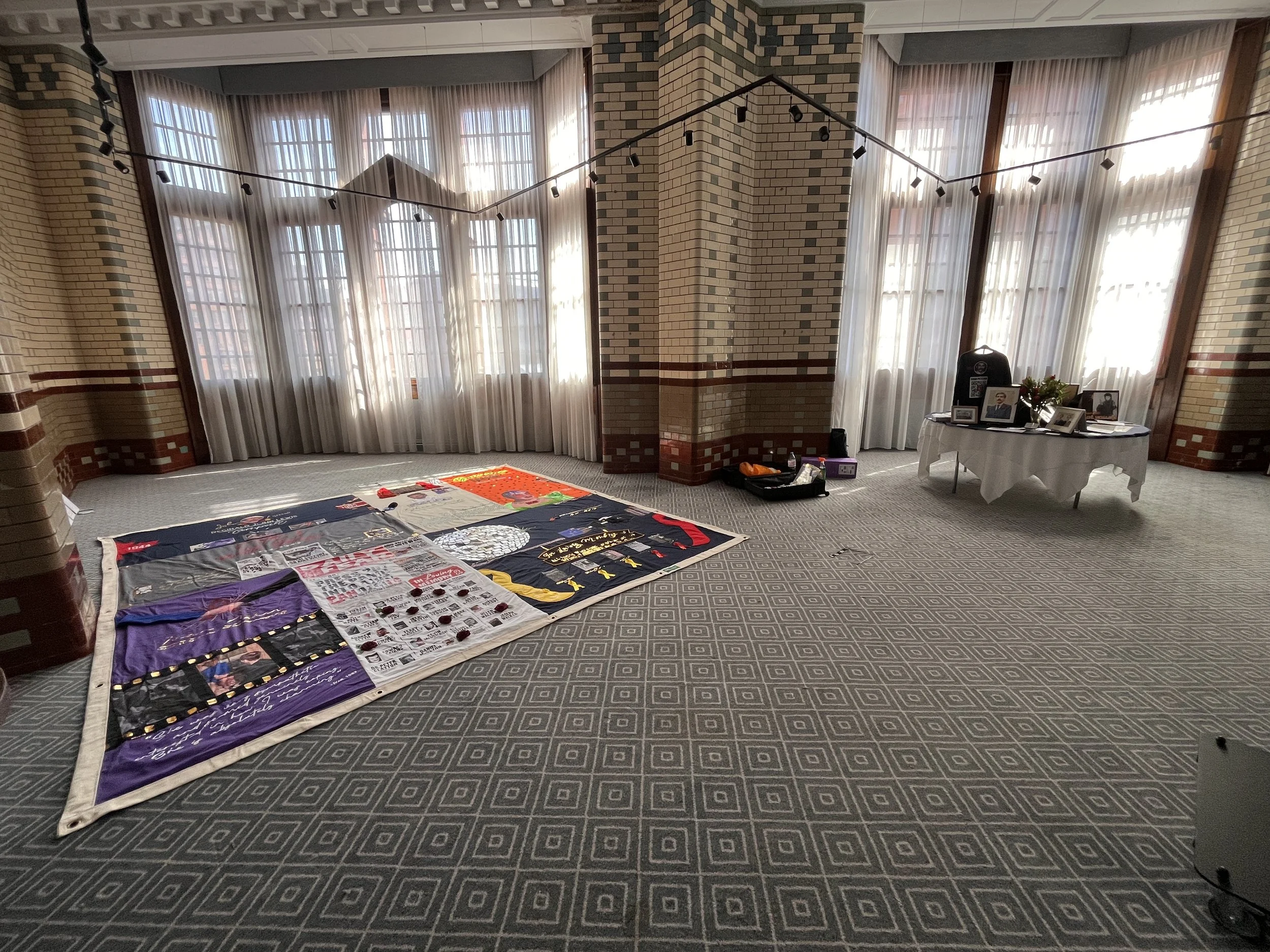
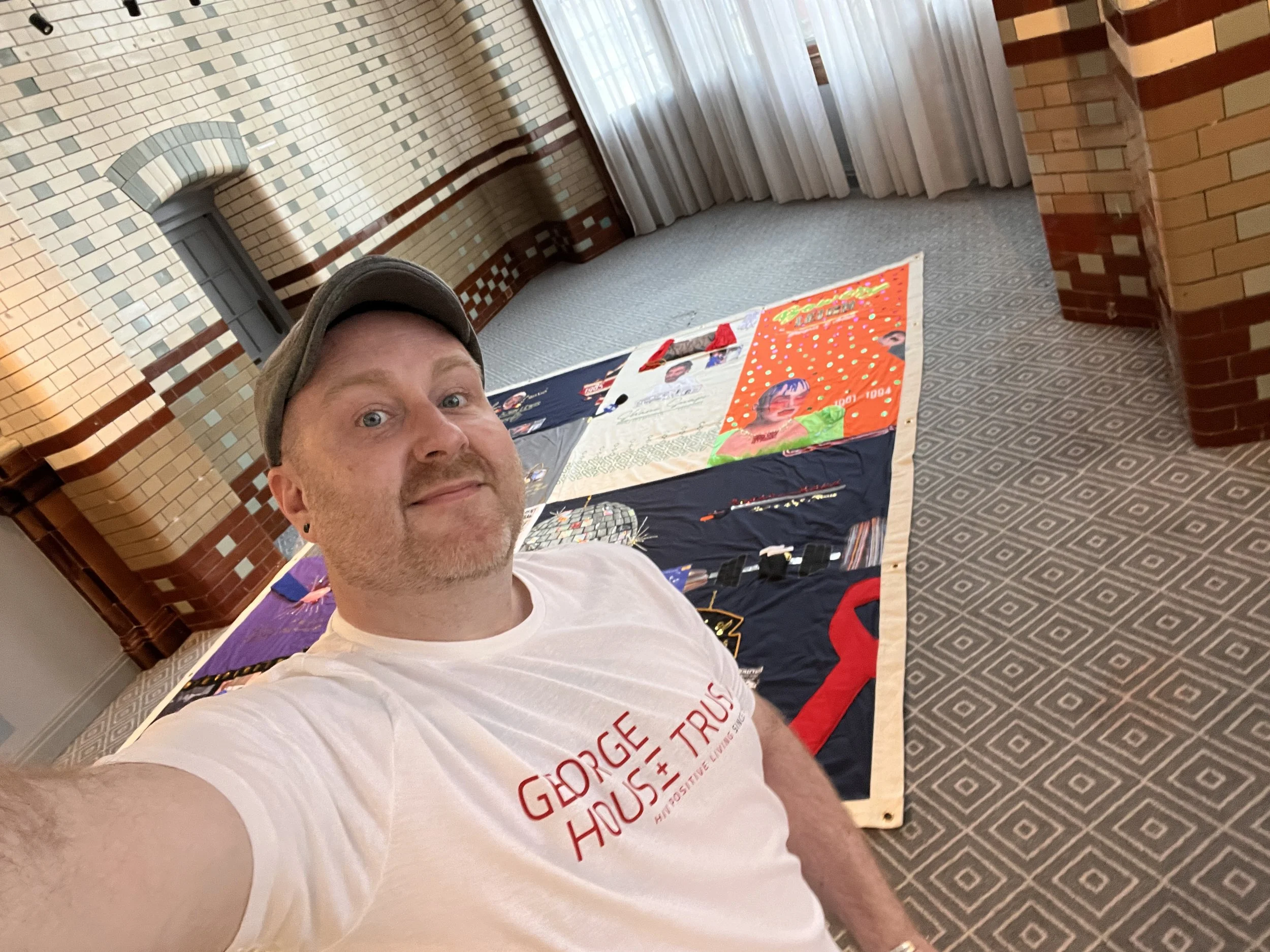
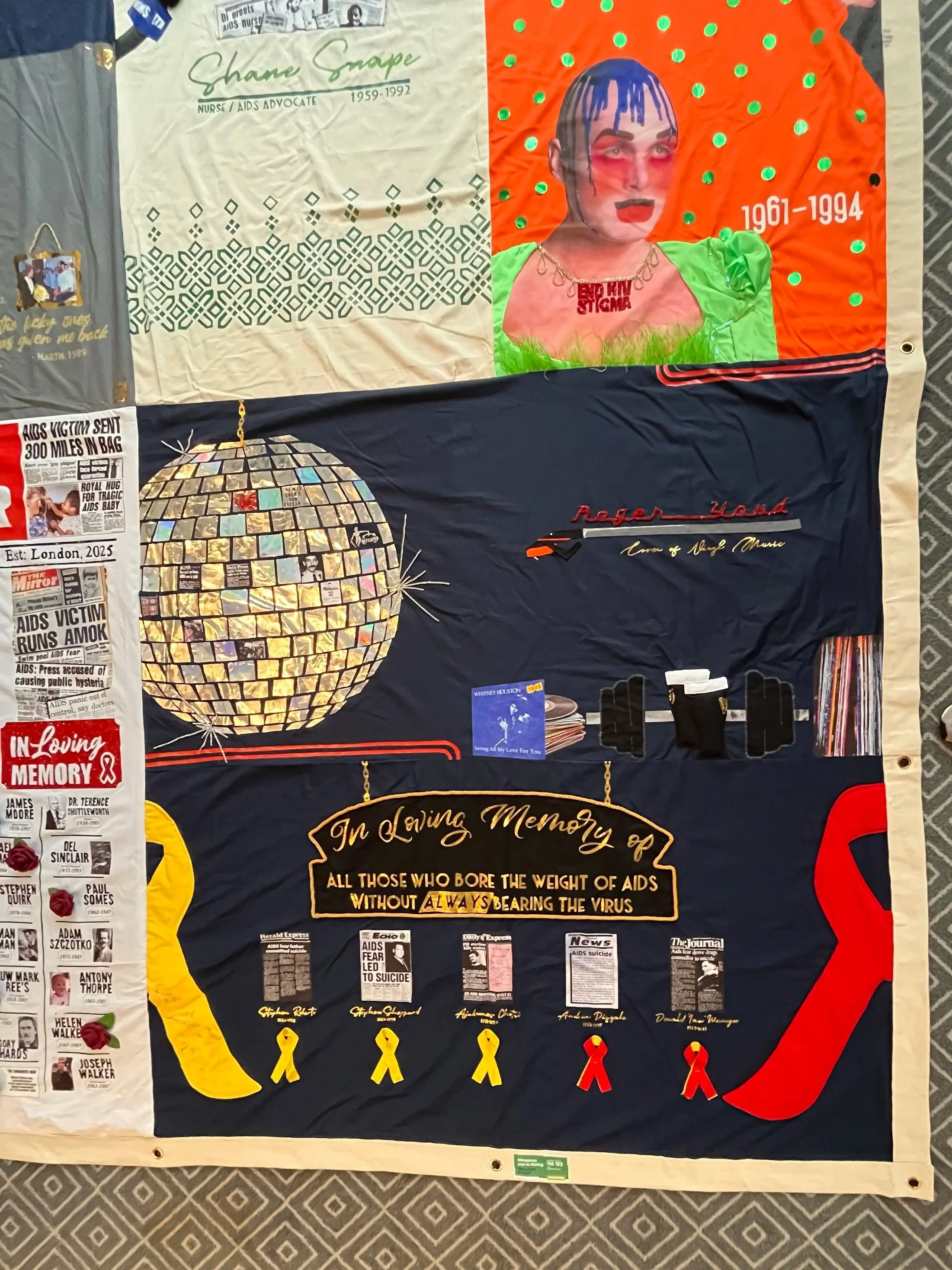
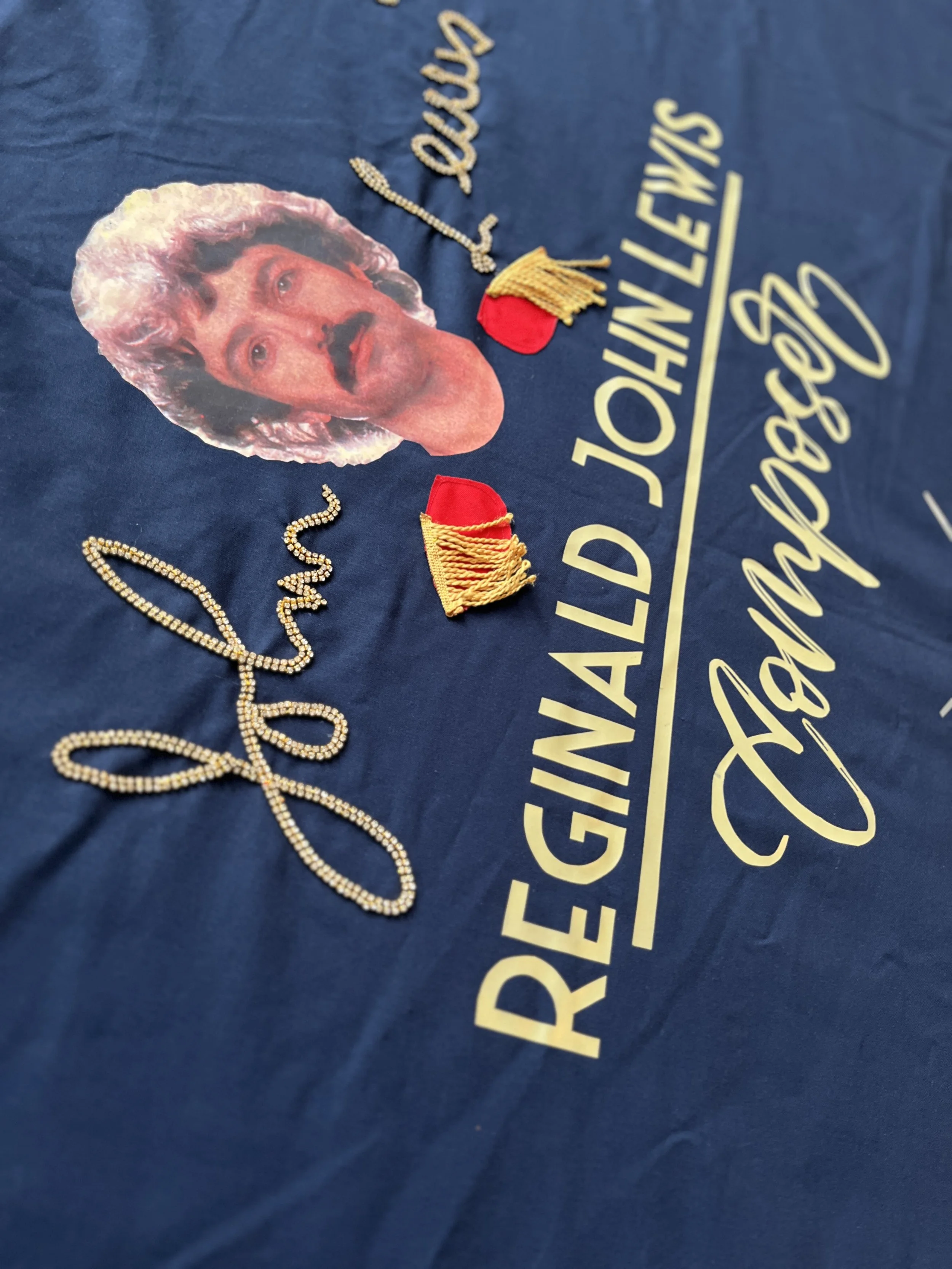
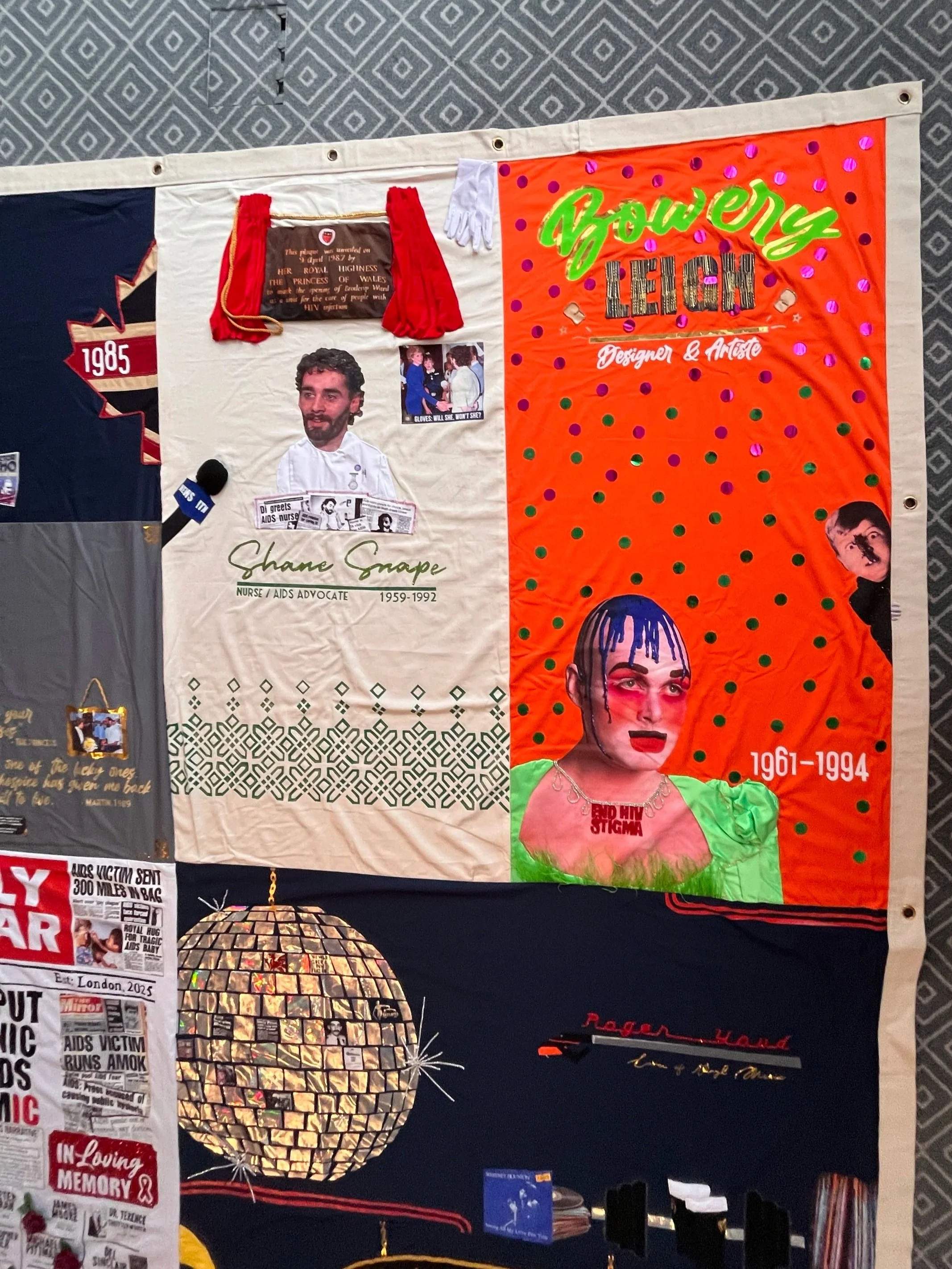
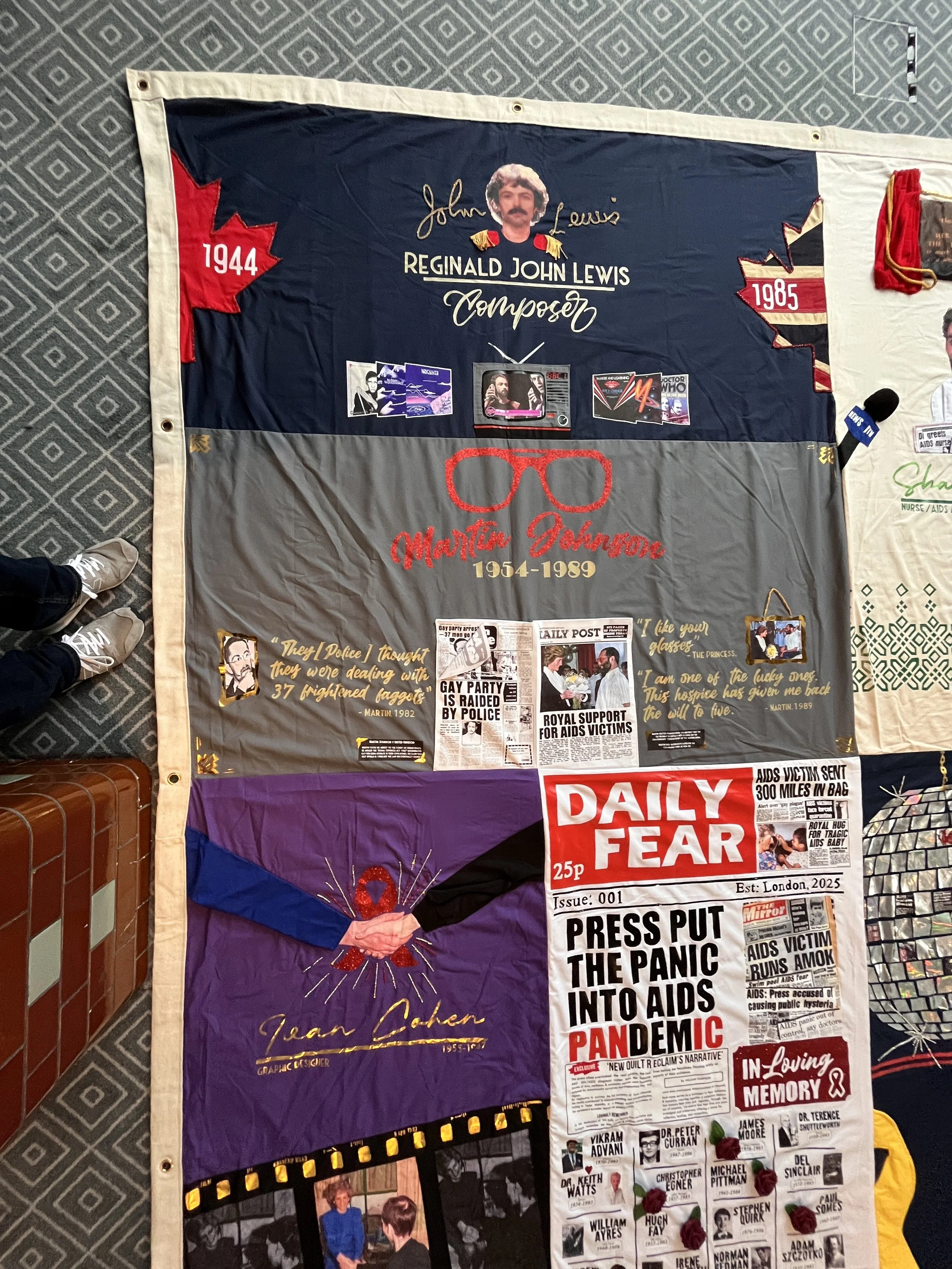
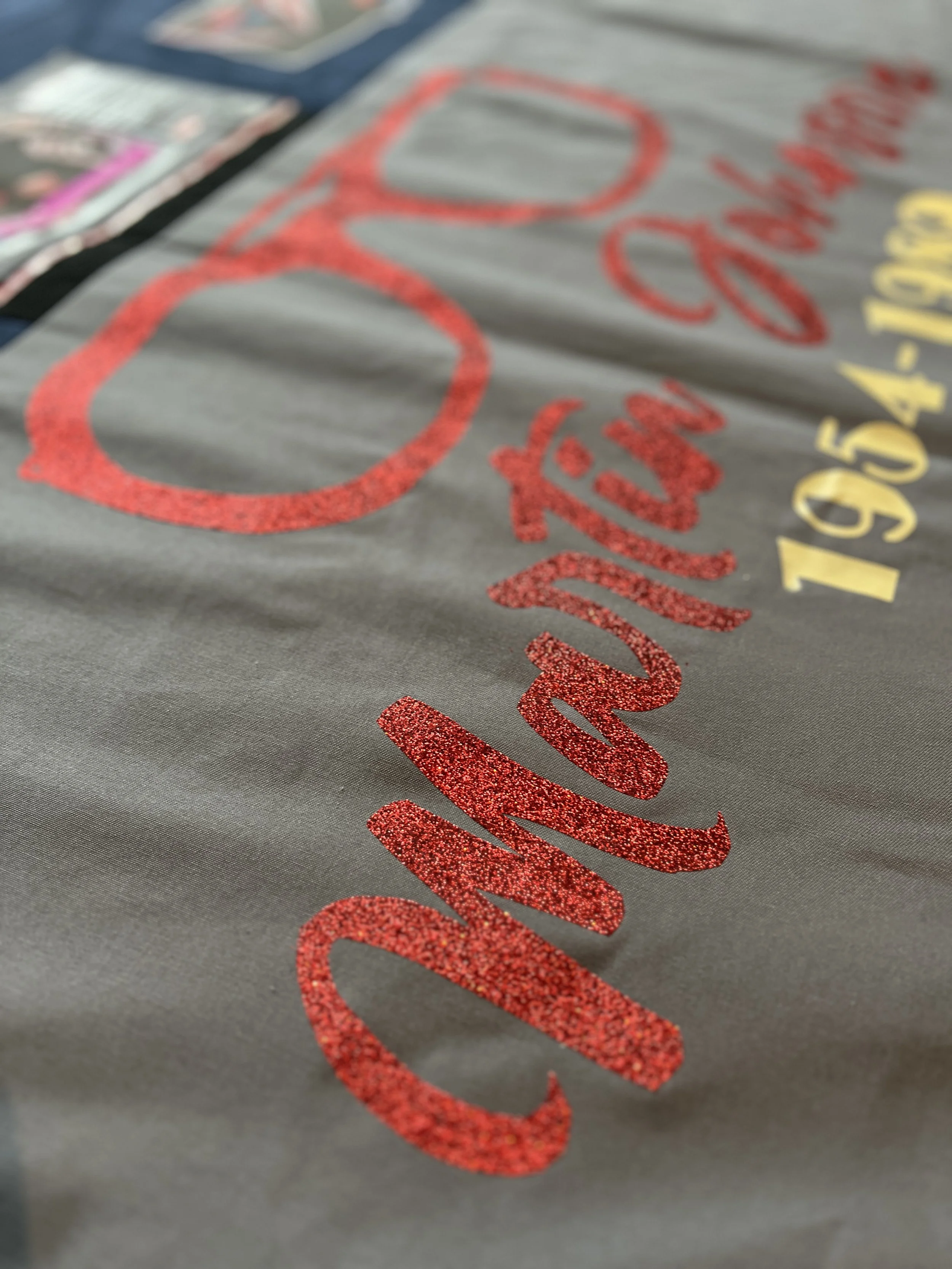
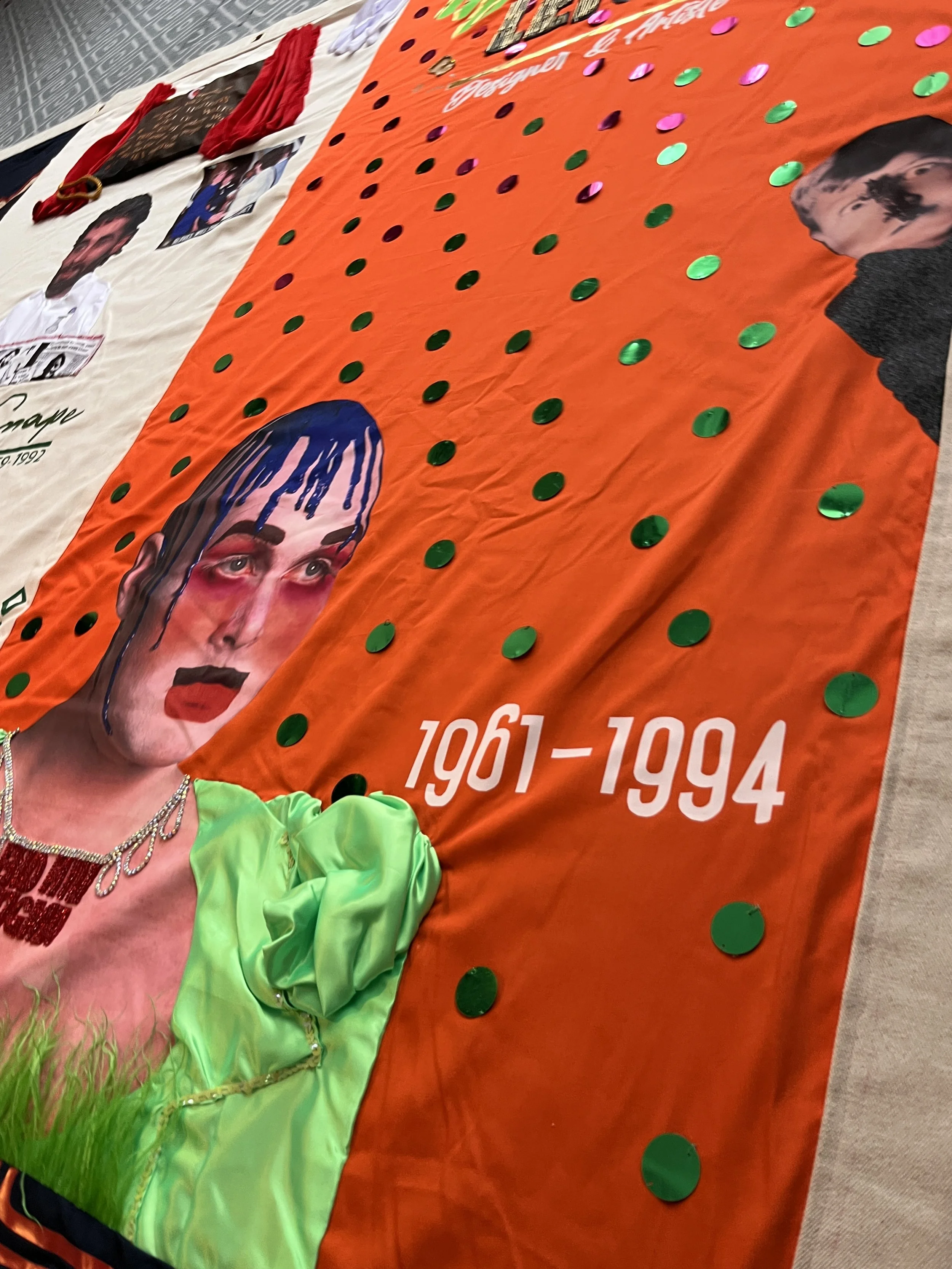
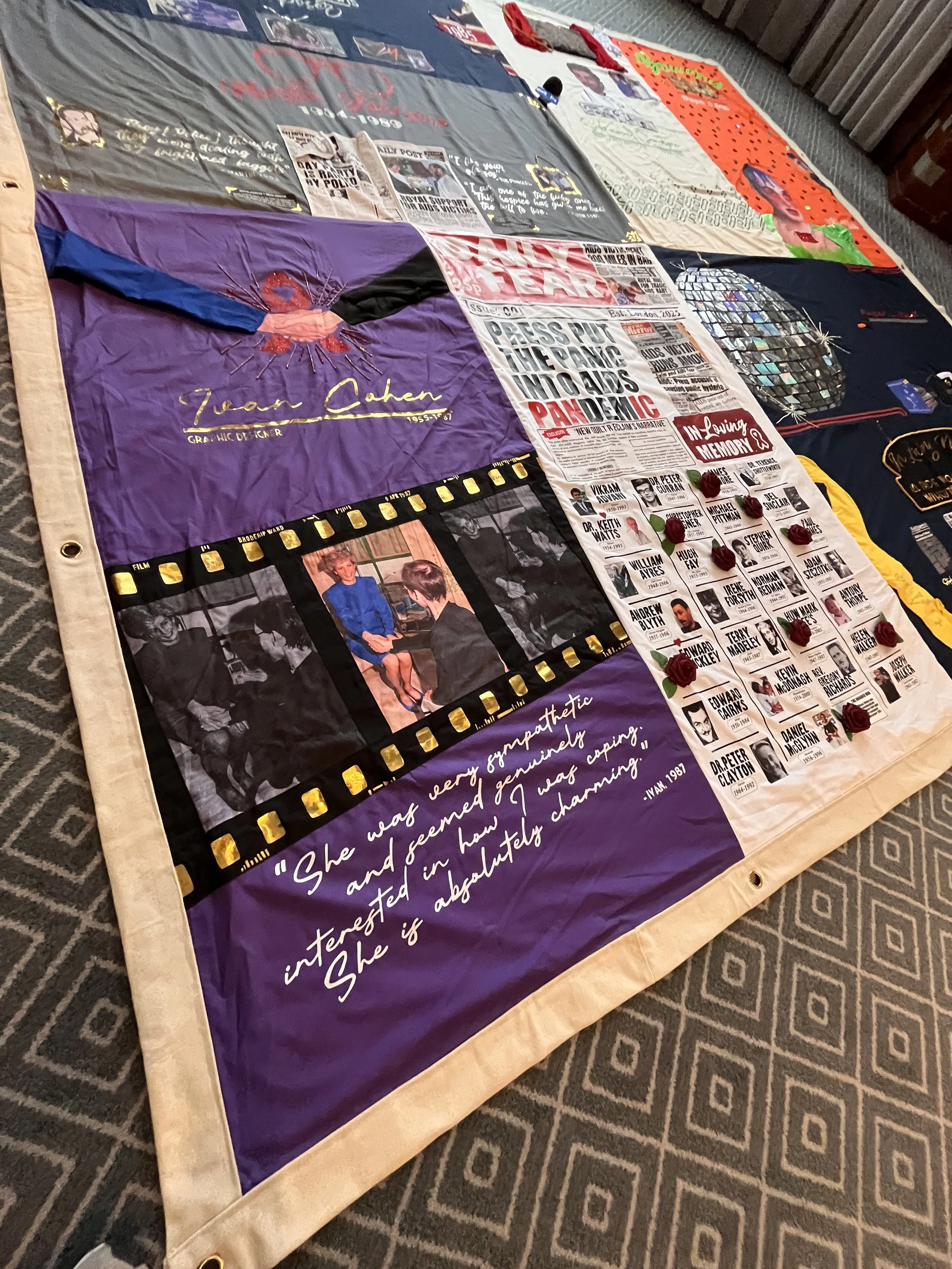
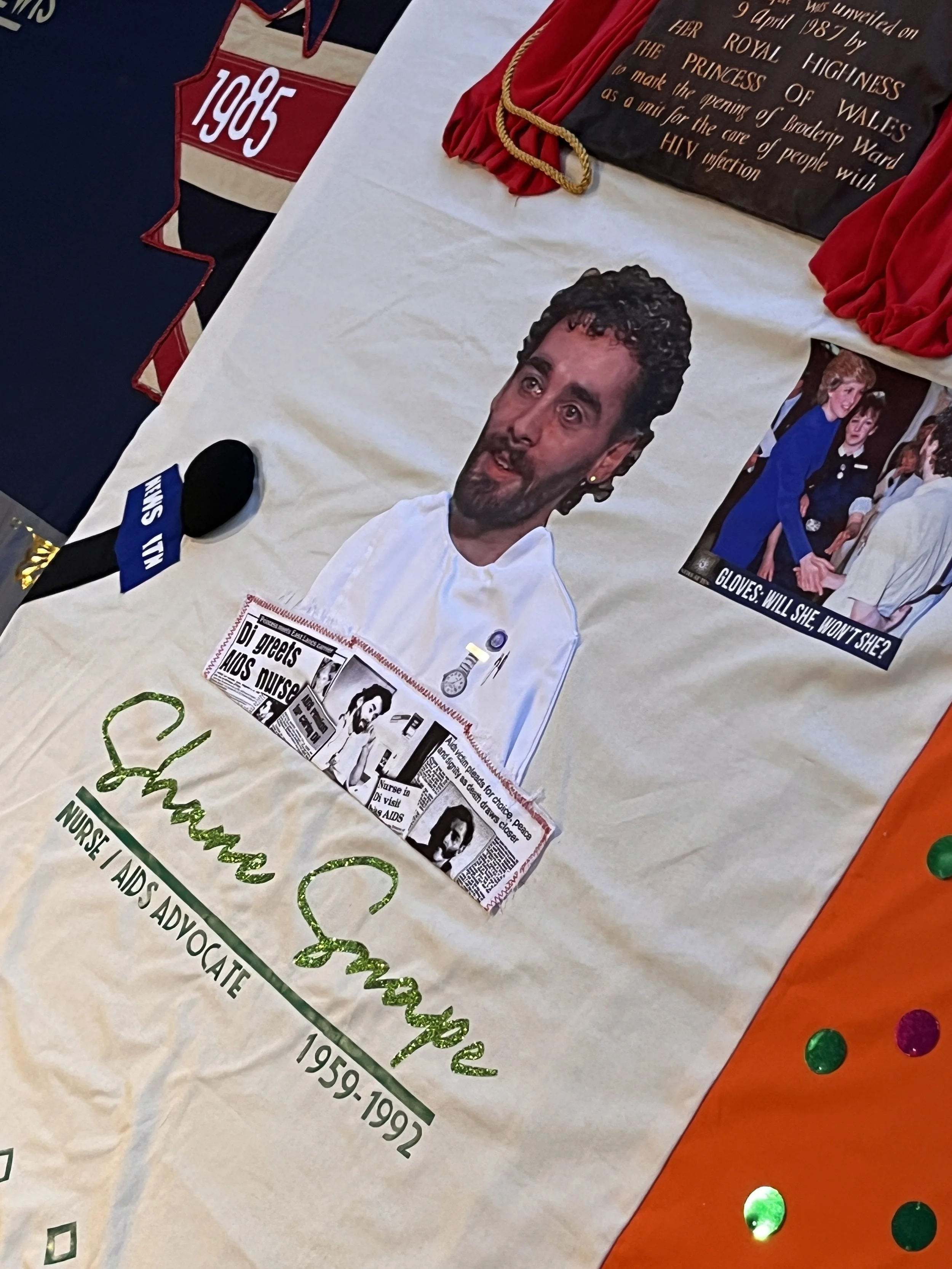
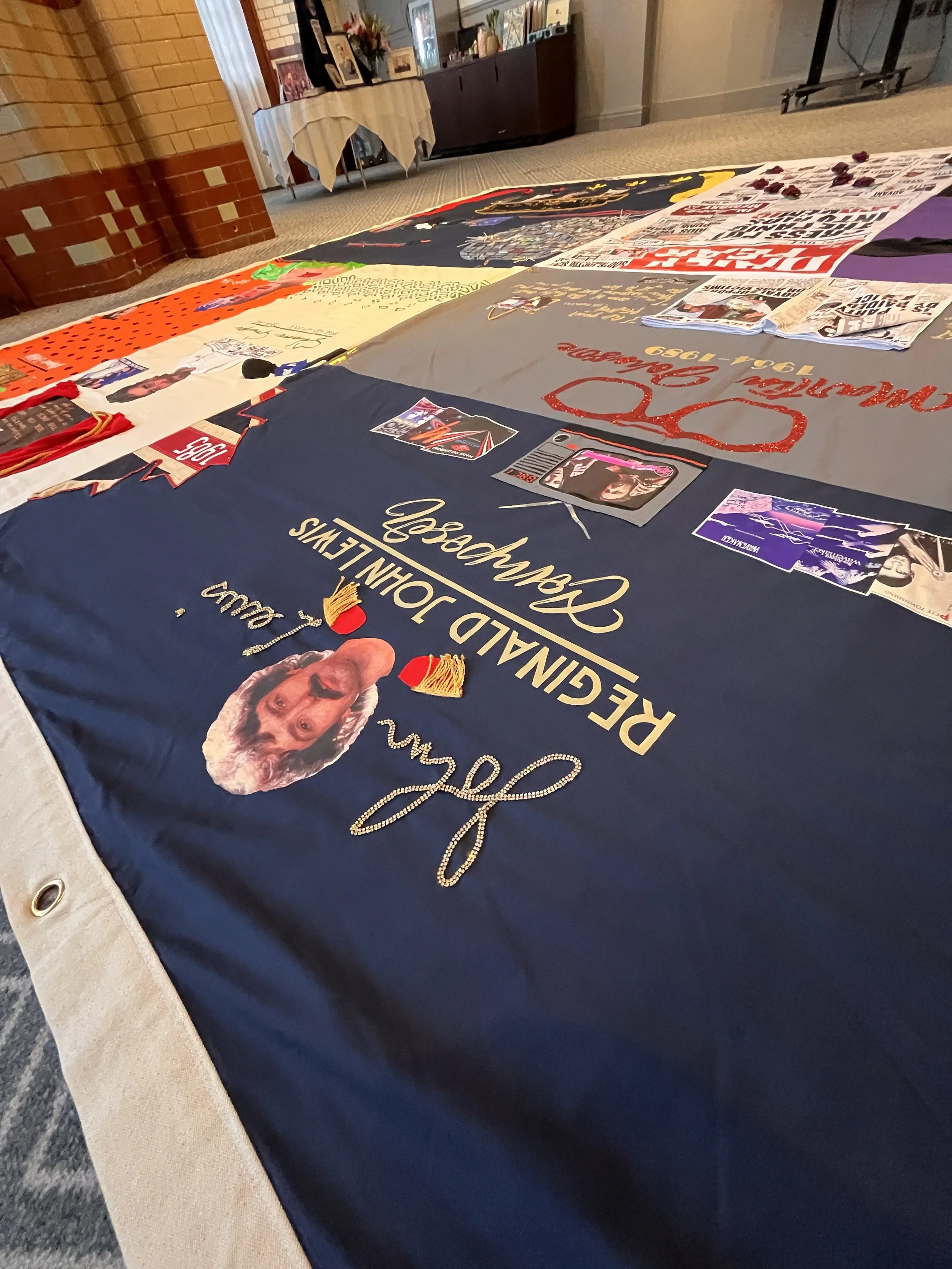
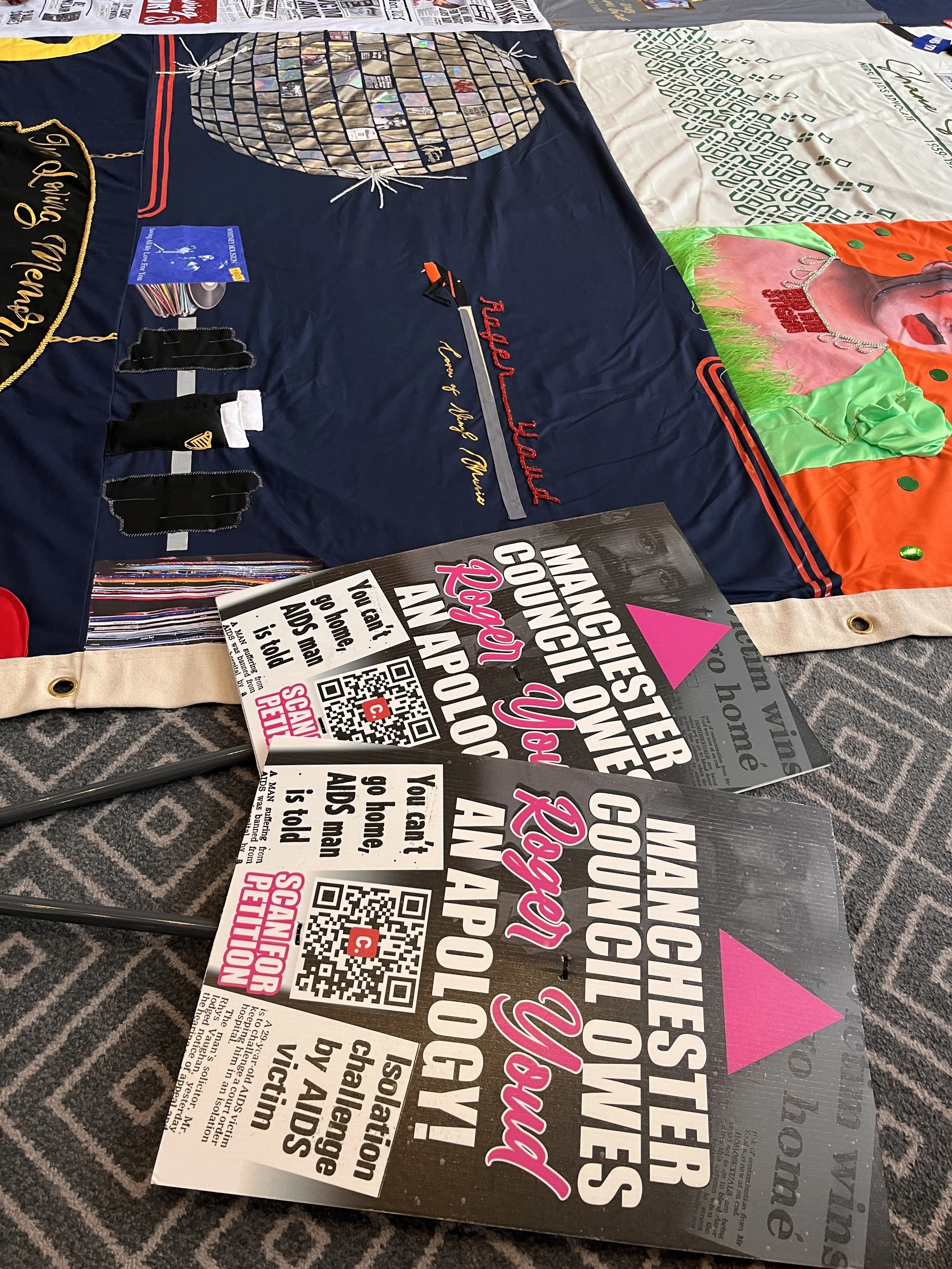
The UK AIDS Memorial Quilt were very kind to allow me, as the original creator of Quilt Block 47, to take the quilt for display at Manchester Village Pride. The block itself memorialises 43 individuals lost to HIV/AIDS, each stitched and named into the quilt that bears witness to lives cut short and to the families, lovers and communities that loved them.
Its local connections made it especially meaningful for Manchester: one panel is dedicated to Roger Youd, a local DJ who helped shape the emerging gay scene, and another honors Shane Snape, a state-registered nurse from Lancashire who played a vital role in opening the Broderip Ward, the UK’s first dedicated AIDS ward.
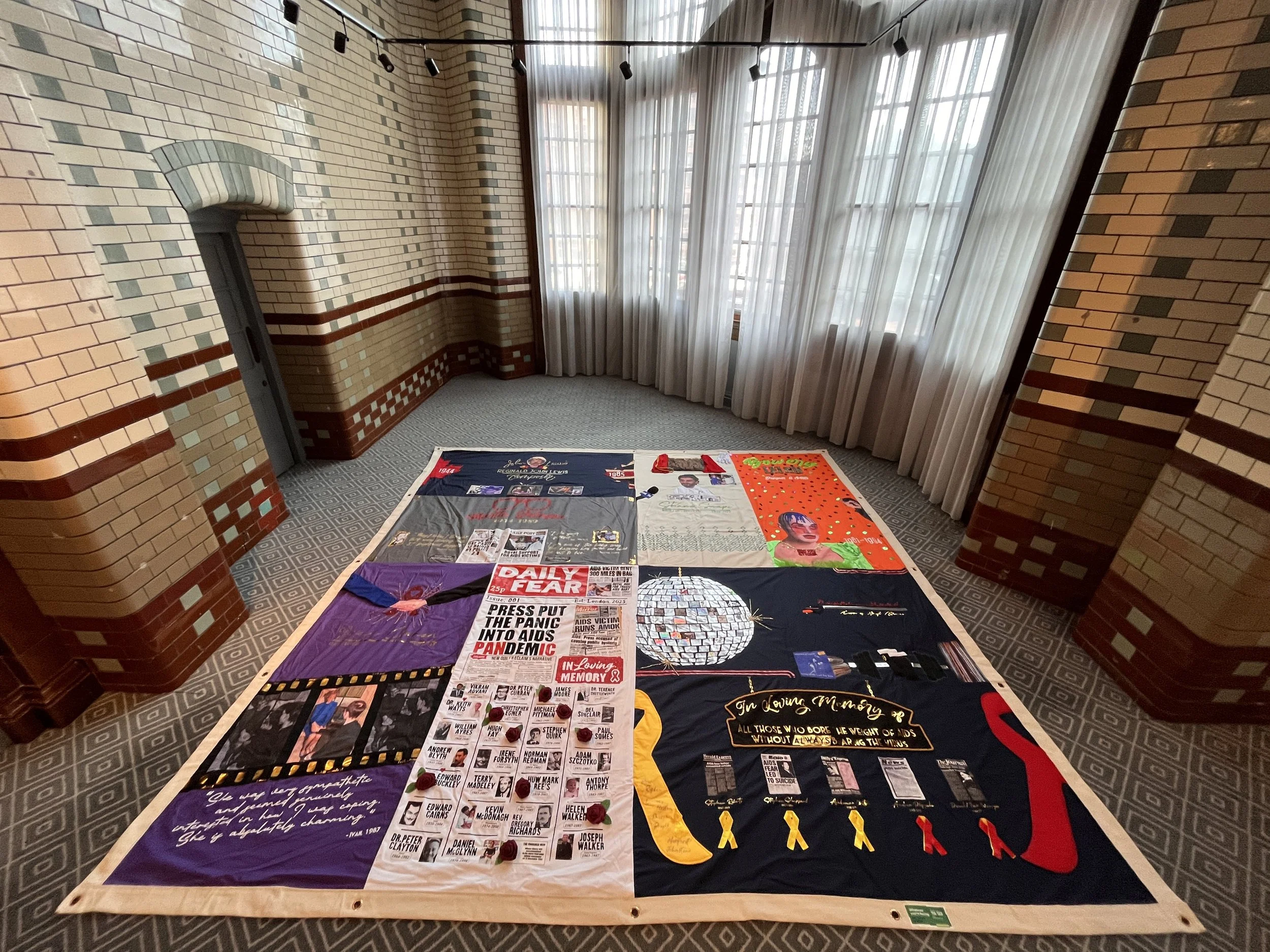
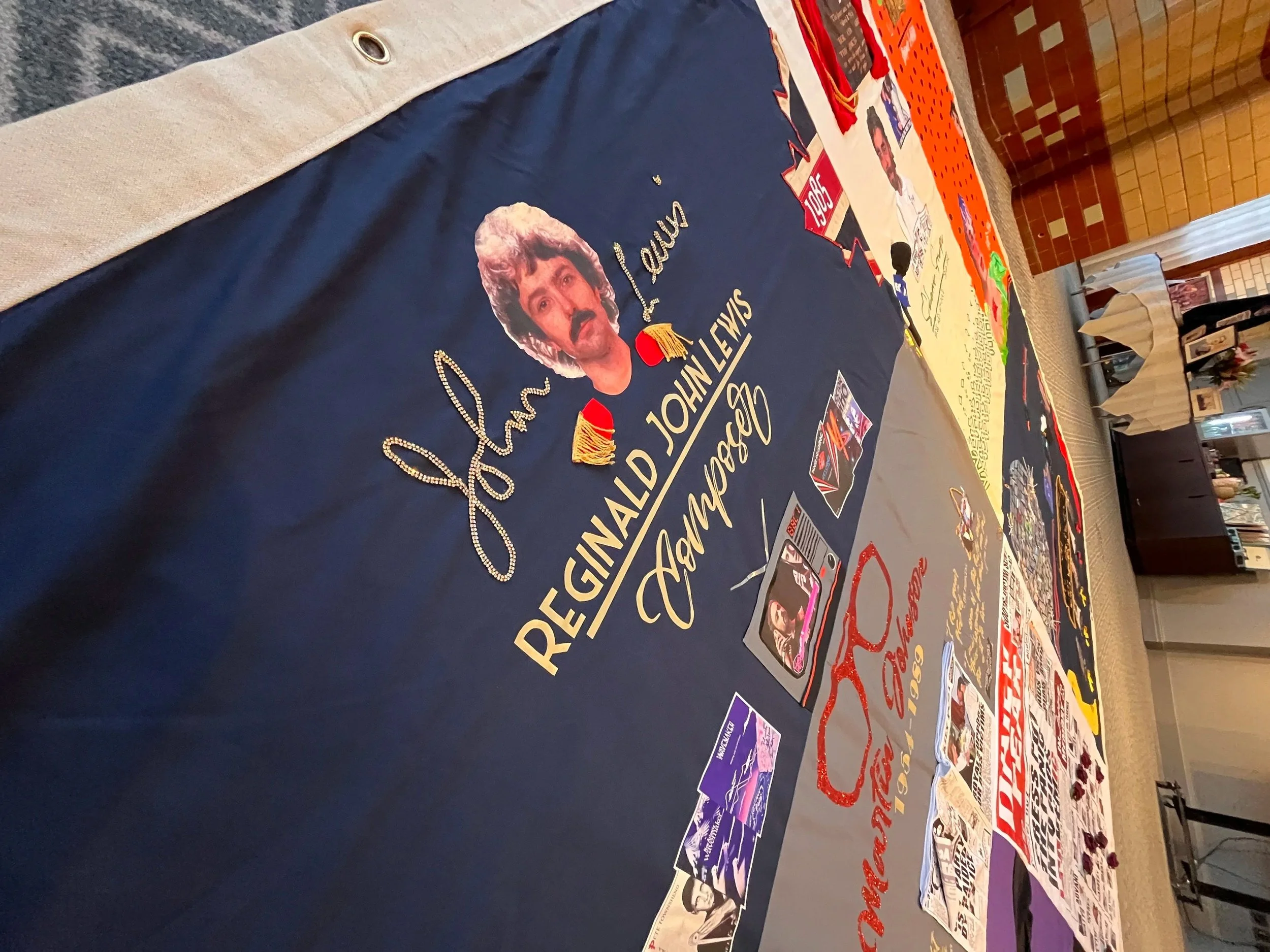

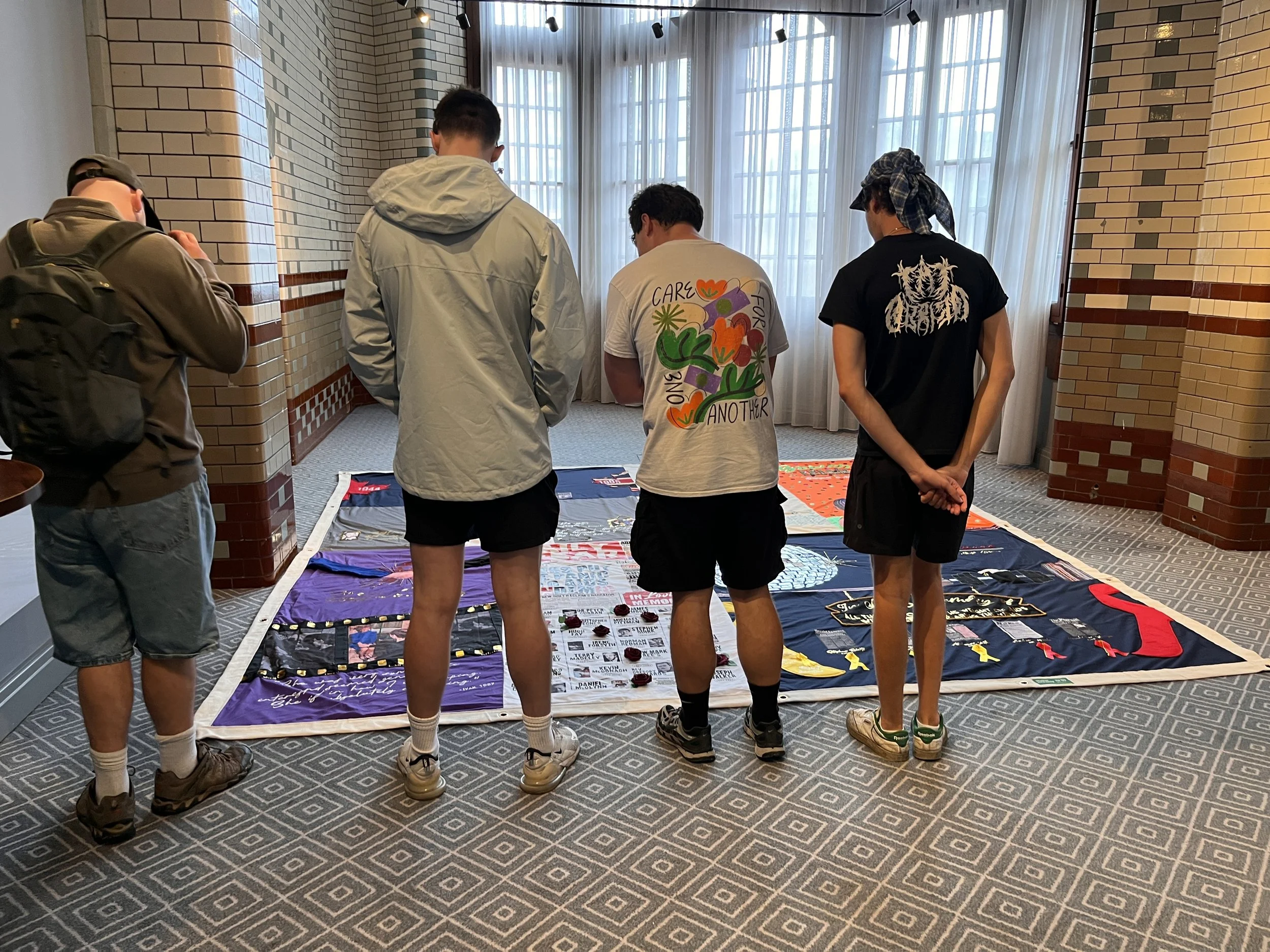
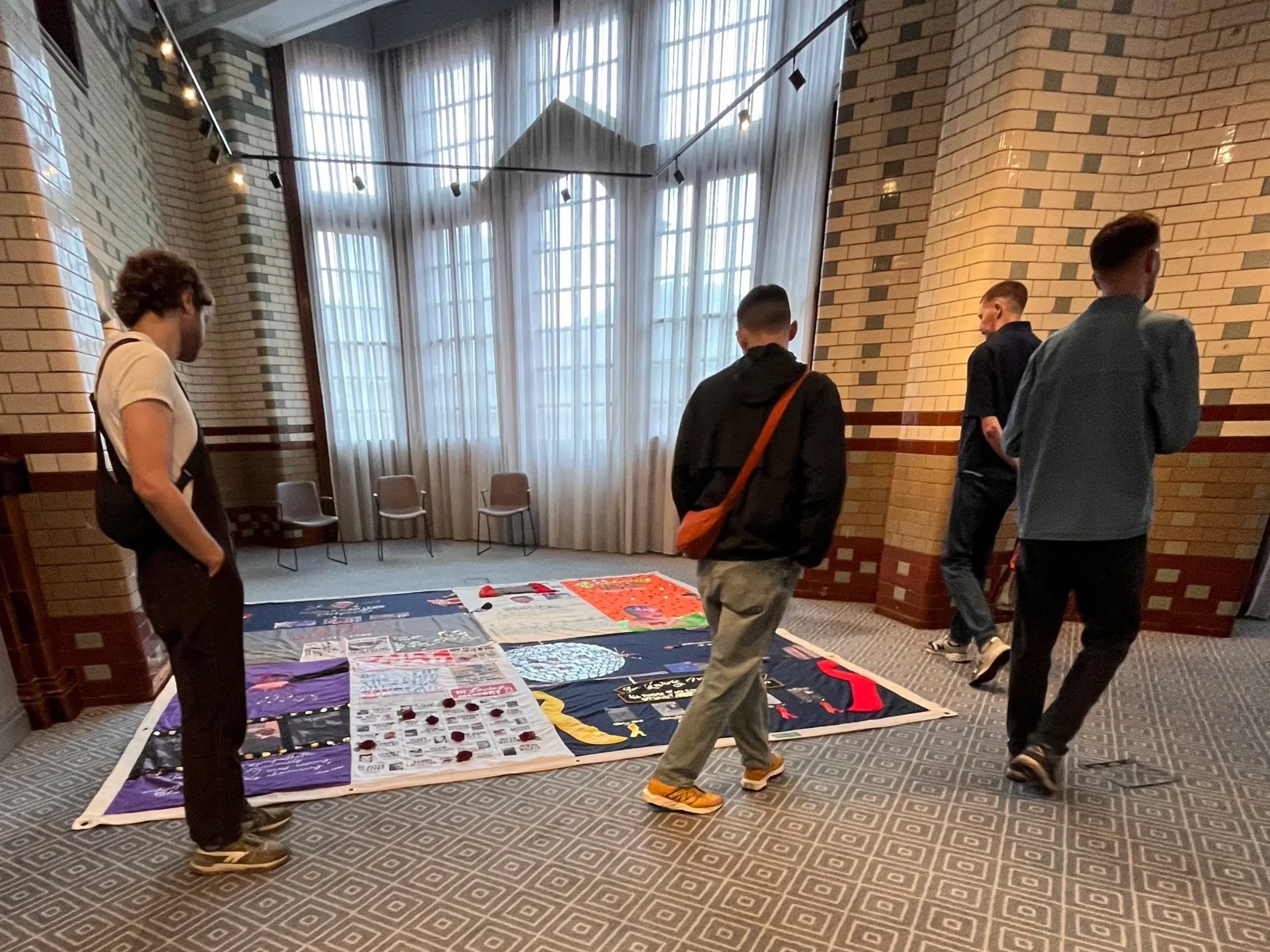
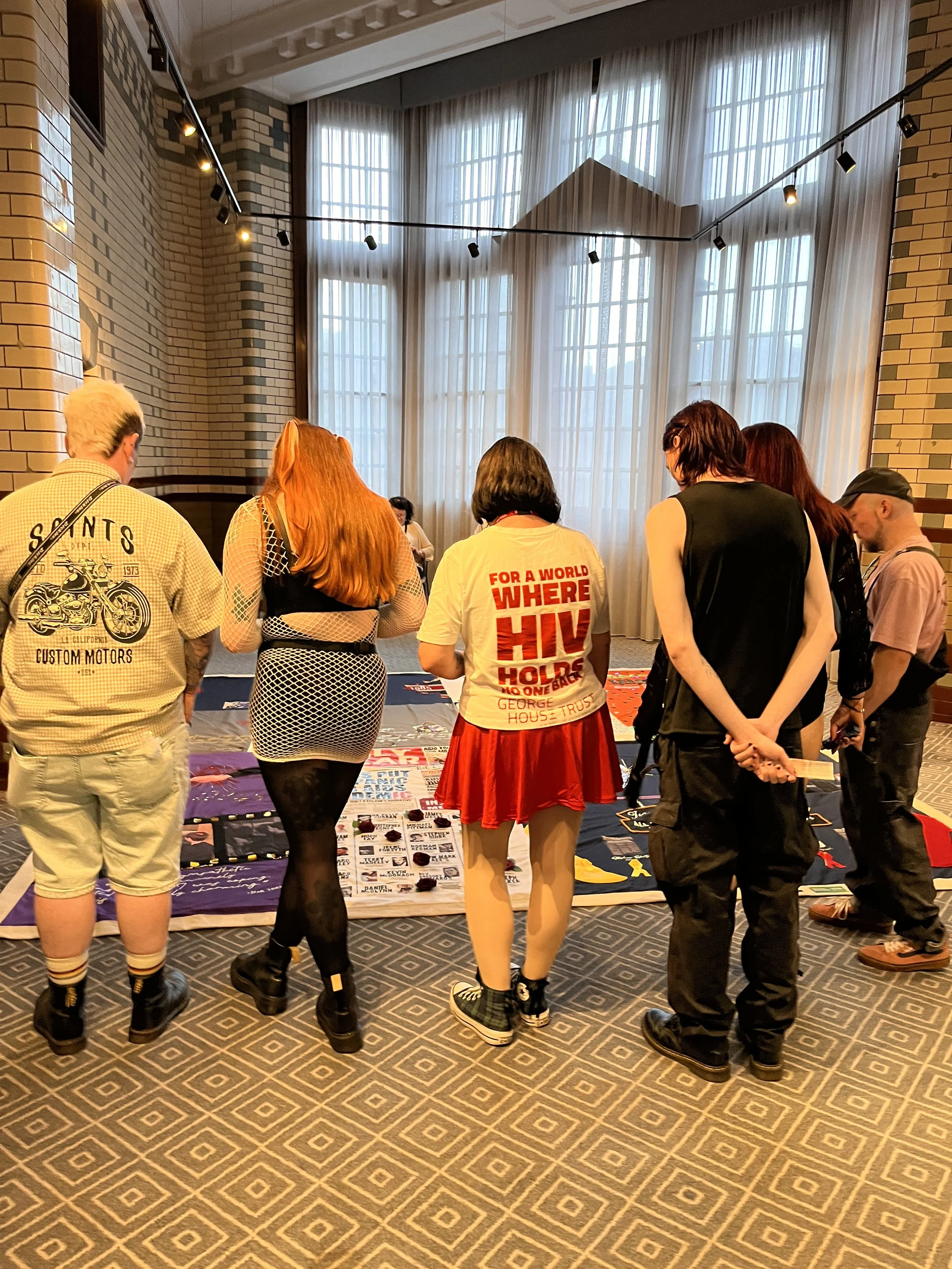
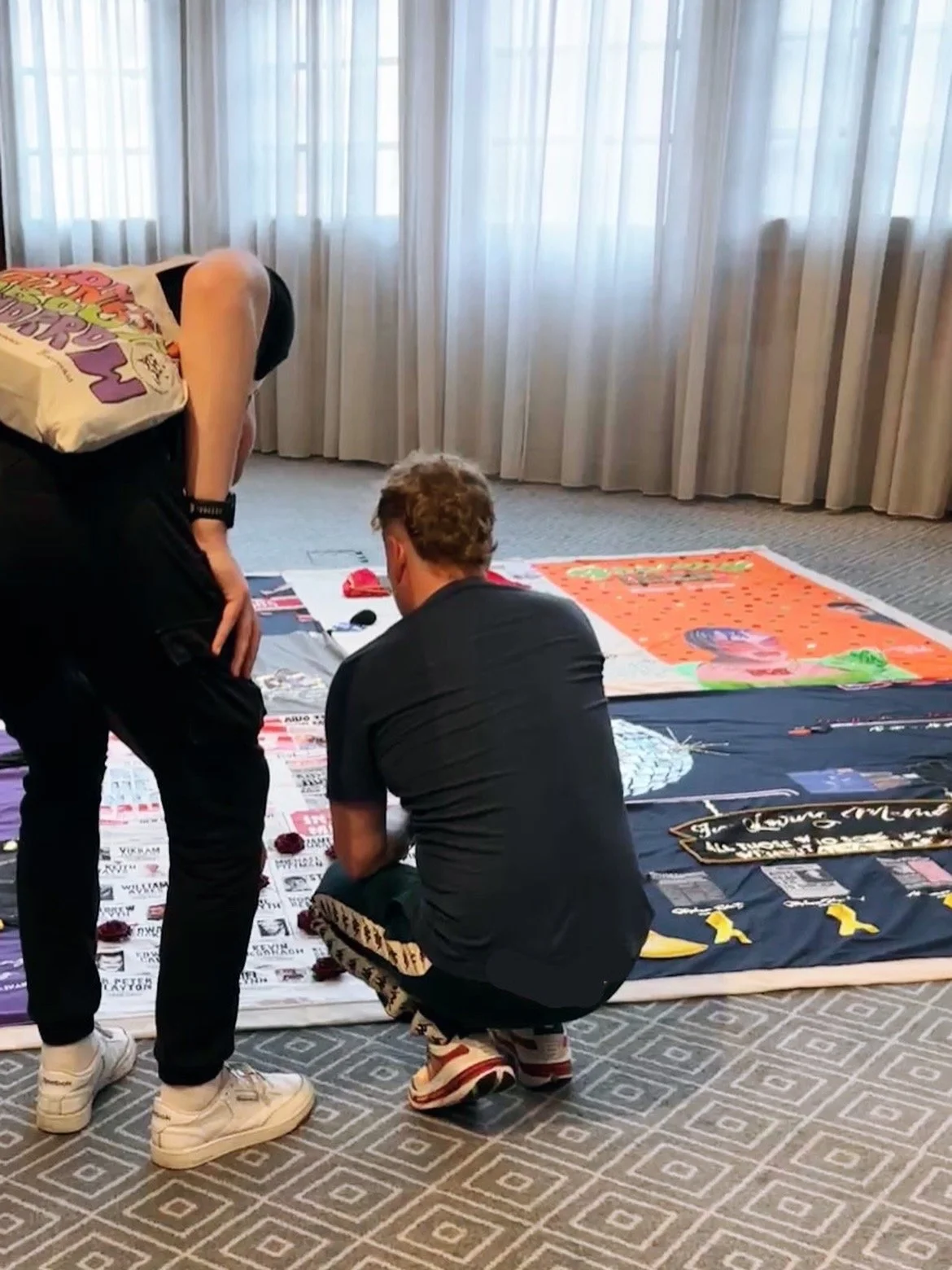
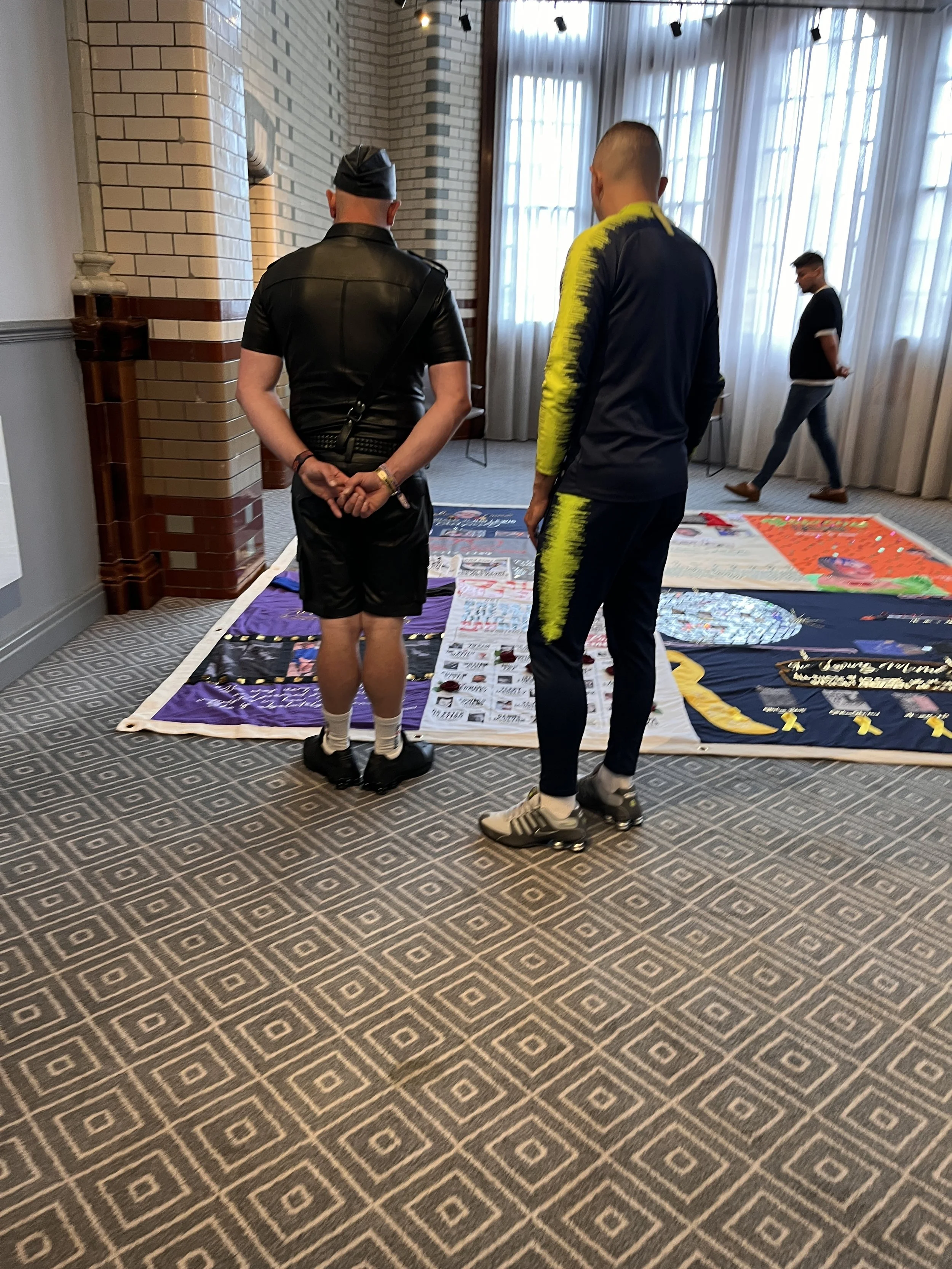


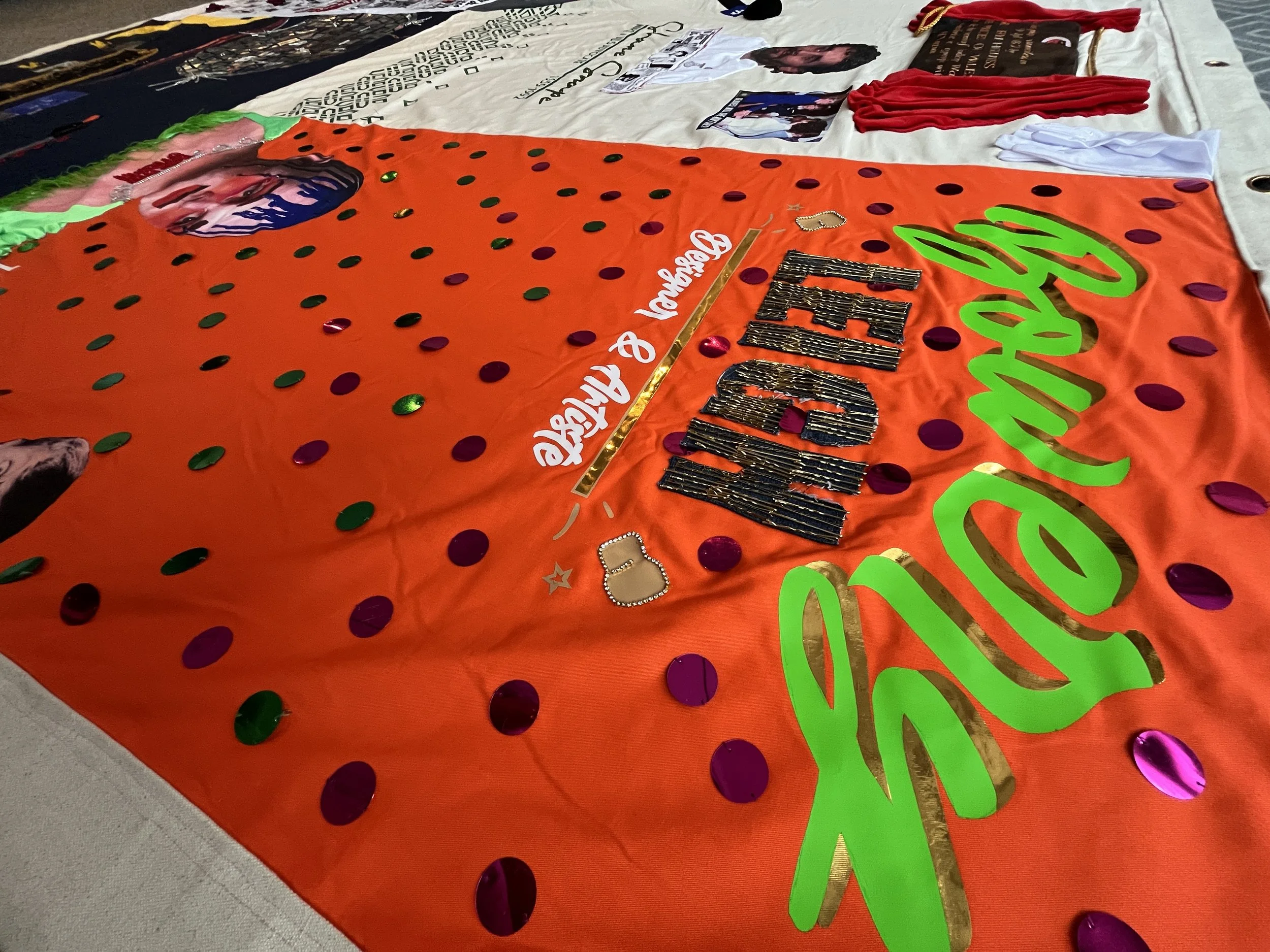

Bringing this quilt to Manchester Village Pride allowed families, friends and the wider community to gather, remember and reflect on both the personal and civic histories entwined in the Quilt. I was tasked with finding a venue and initially suggested a three‑day display over the weekend, but when I approached Manchester Village Pride’s John Hamilton — one of the organisers who also runs Canal Street’s Bar Pop and The Church — he told me on the phone, “…if it comes to Manchester it should come for the week so the community can visit, remember and learn of its significance.” Following that, the Quilt was booked for a week at the Kimpton Clocktower from Monday 24 August to Bank Holiday Monday 31 August 2026, where Pride culminated in the Candlelight vigil, creating a sustained opportunity for quiet reflection and collective remembrance.
Video credit: The Manc.
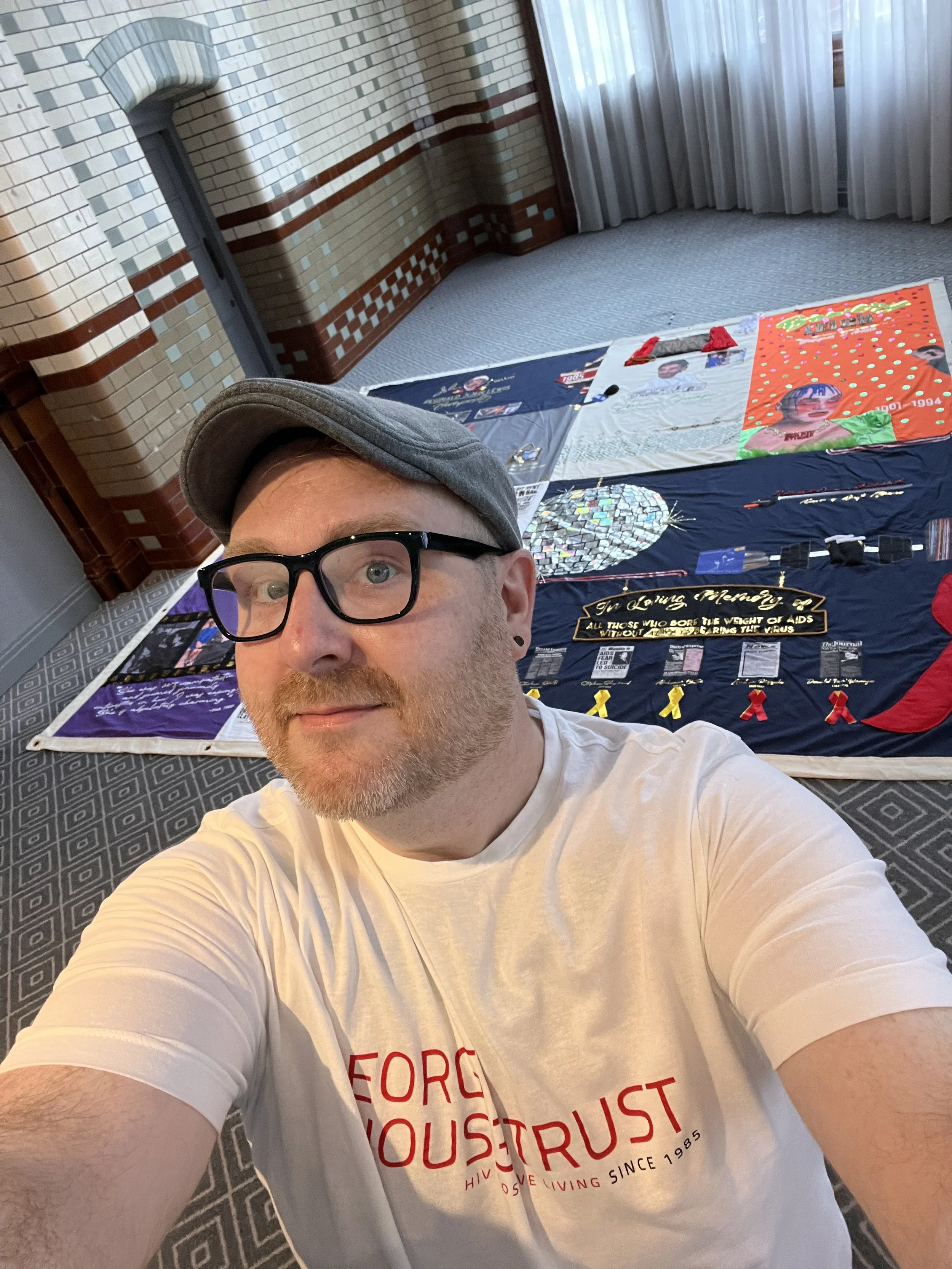
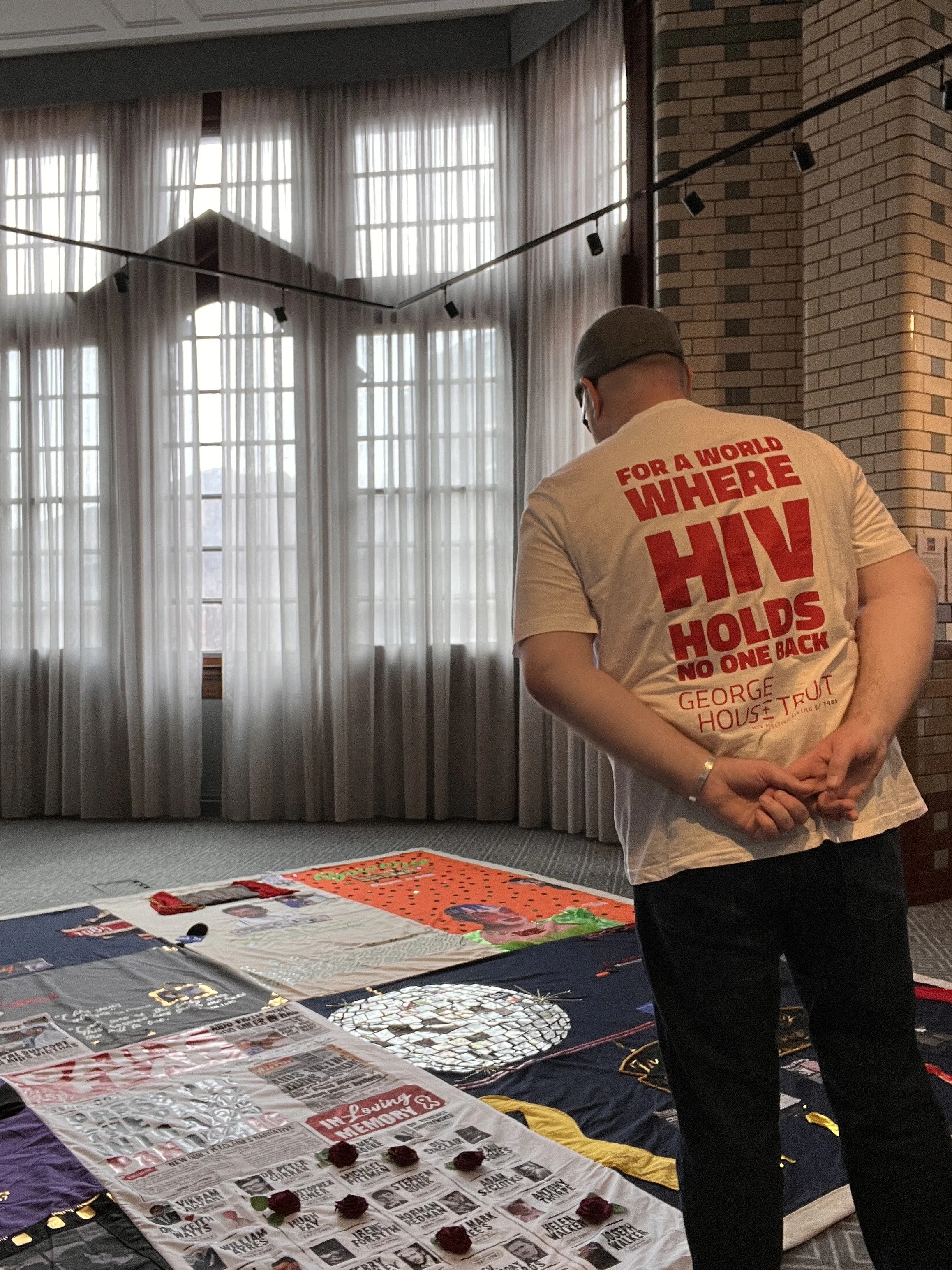
While the UK AIDS Memorial Quilt is cared for by a coalition of seven HIV/AIDS charities, it is owned by the George House Trust, who organised volunteers to be on hand as the quilt went on display in Manchester to share the stories and ensure the space was one for reflection.
I volunteered for two days, which extended to six, and it was a real joy to witness visitors’ reactions and hear the memories they brought, while also sharing the stories I know well from this particular quilt and answering questions. Many viewed the quilt quietly, absorbed in reflection; some remembered the good times within a period of great loss and sorrow, recalling funny moments and the occasional faux pas, and others encountered the realities of the AIDS pandemic for the first time and were visibly moved by the individual stories the volunteers and I were able to pass on.
In some respects it was not the quilt itself, nor the pattern of threads that drew the crowd, but the names stitched into its fabric. The quilt acted less as object and more as a ledger of belonging, where the ordinary act of sewing became an act of witness, and every knot and seam holds a life made visible.

Kimpton Clocktower Manchester Mon 24 Aug - Mon 31 Aug 2026 3pm - 7pm
Best Man: Roger 1983
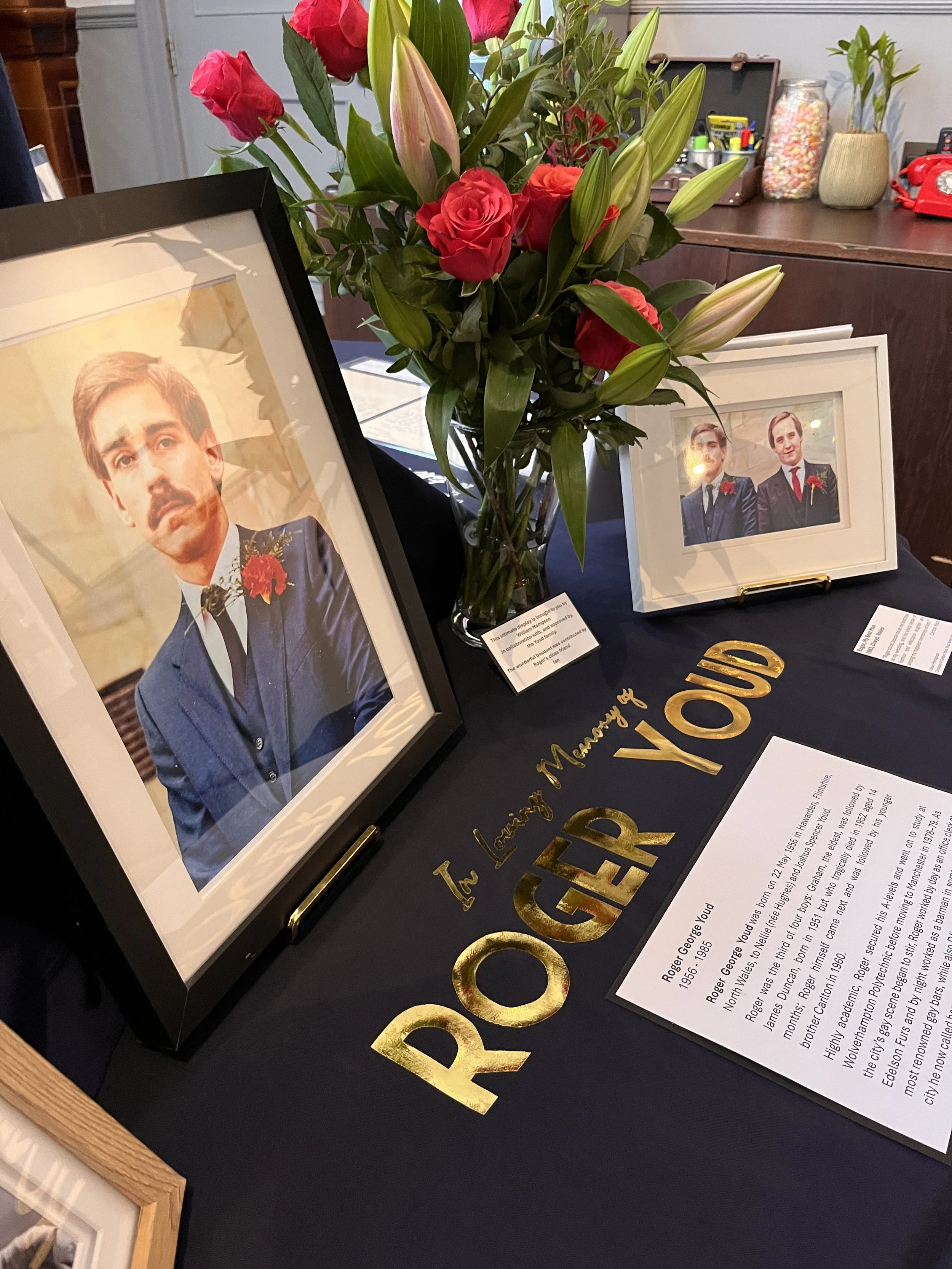
This display was a collaboration with Carlton Youd, Roger’s younger brother, his niece Catherine and the immediate Youd family. The treatment thrust upon Roger in September 1985 catapulted him and his family into the public domain, and the press wasted no time exploiting his HIV/AIDS diagnosis to vilify them; relentless coverage followed, with sensationalist reporting that cast a shadow over the extended family.
Children in particular were ostracised: classmates’ parents, fearful and misinformed, discouraged friendships and suggested that mere association with Roger as an uncle or cousin might mean they too could “catch” AIDS.
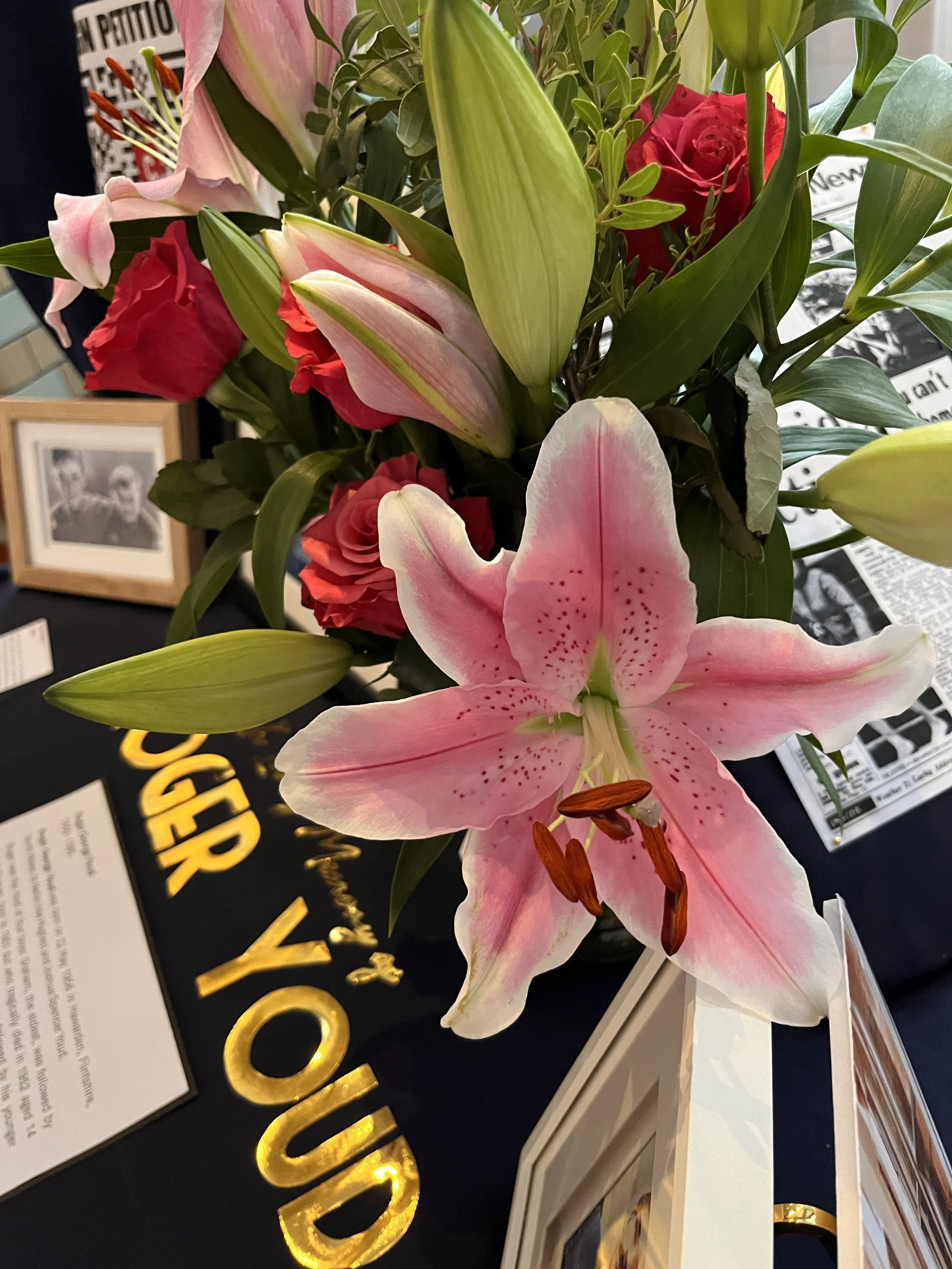
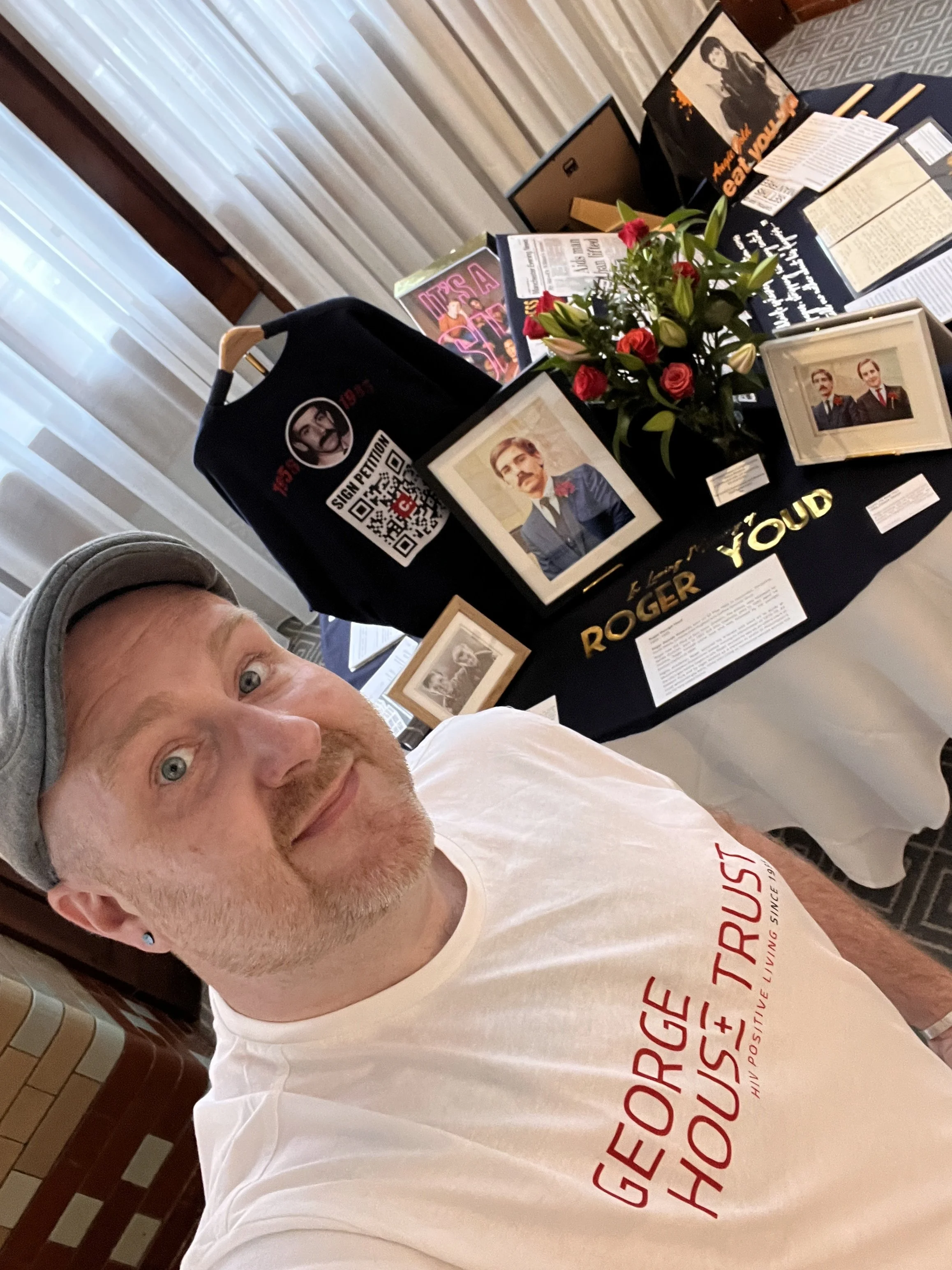
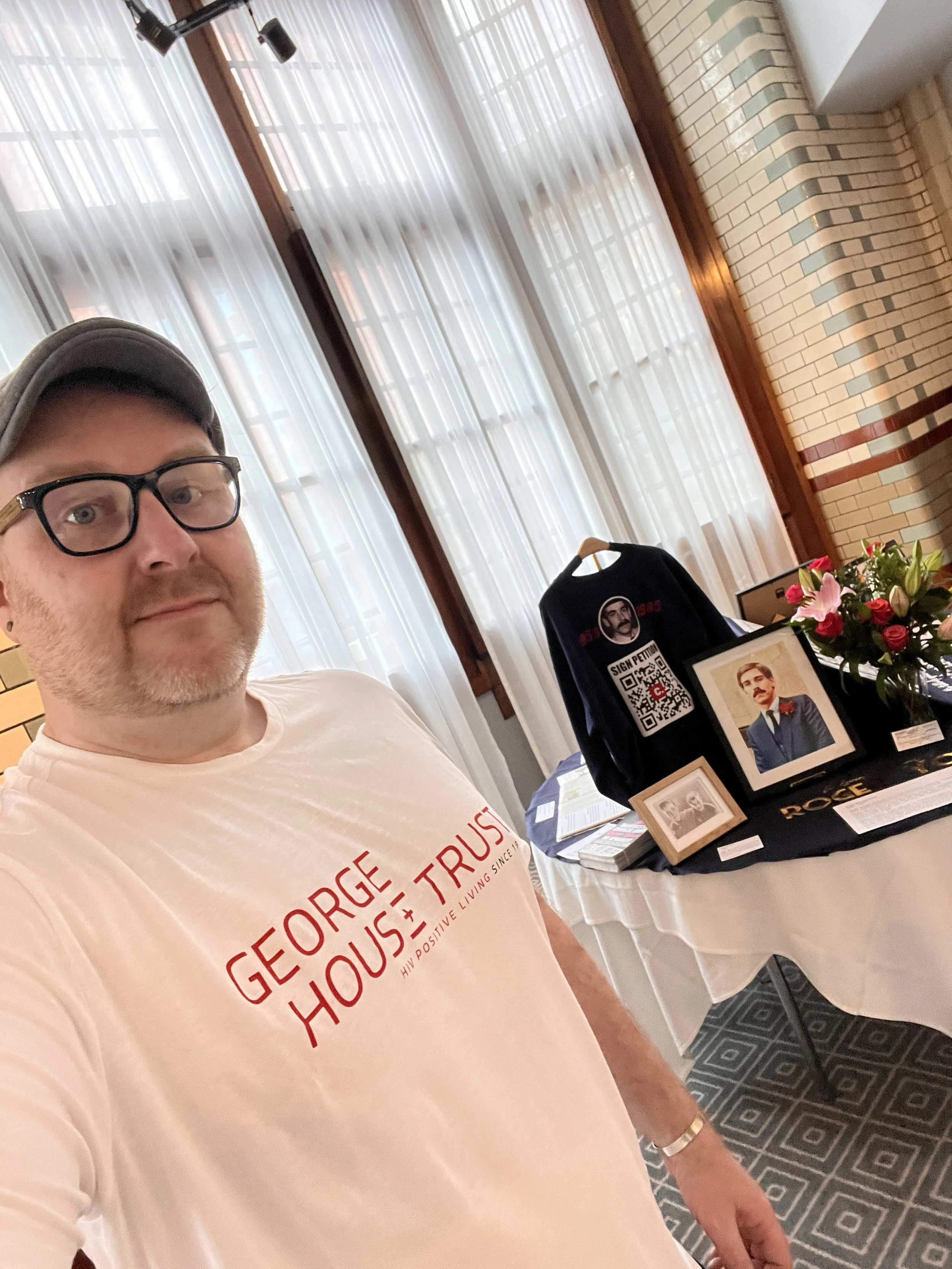
This display sought to recover the human story behind that persecution, honouring Roger Youd and the Youd family’s resilience by showing that Roger was a handsome man going about his life in Manchester just as you and I, performing ordinary acts of friendship and work against a backdrop of stigma and silence; by restoring his quotidian presence the exhibition refused the caricature of disease and instead invited viewers to recognise the dignity, vulnerability and steadfast humanity of a man and family who endured exclusion yet continued to live, grieve and care.
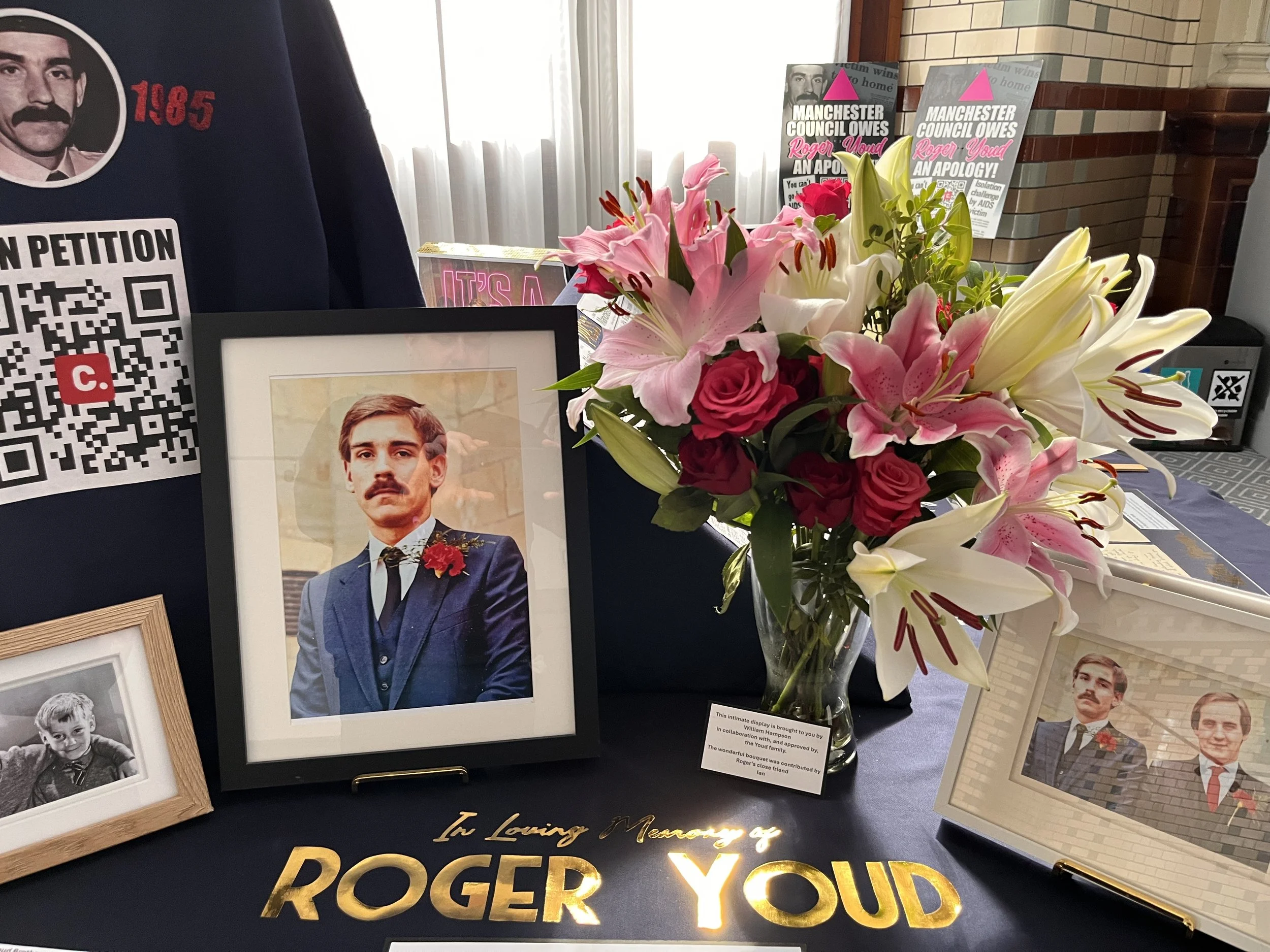
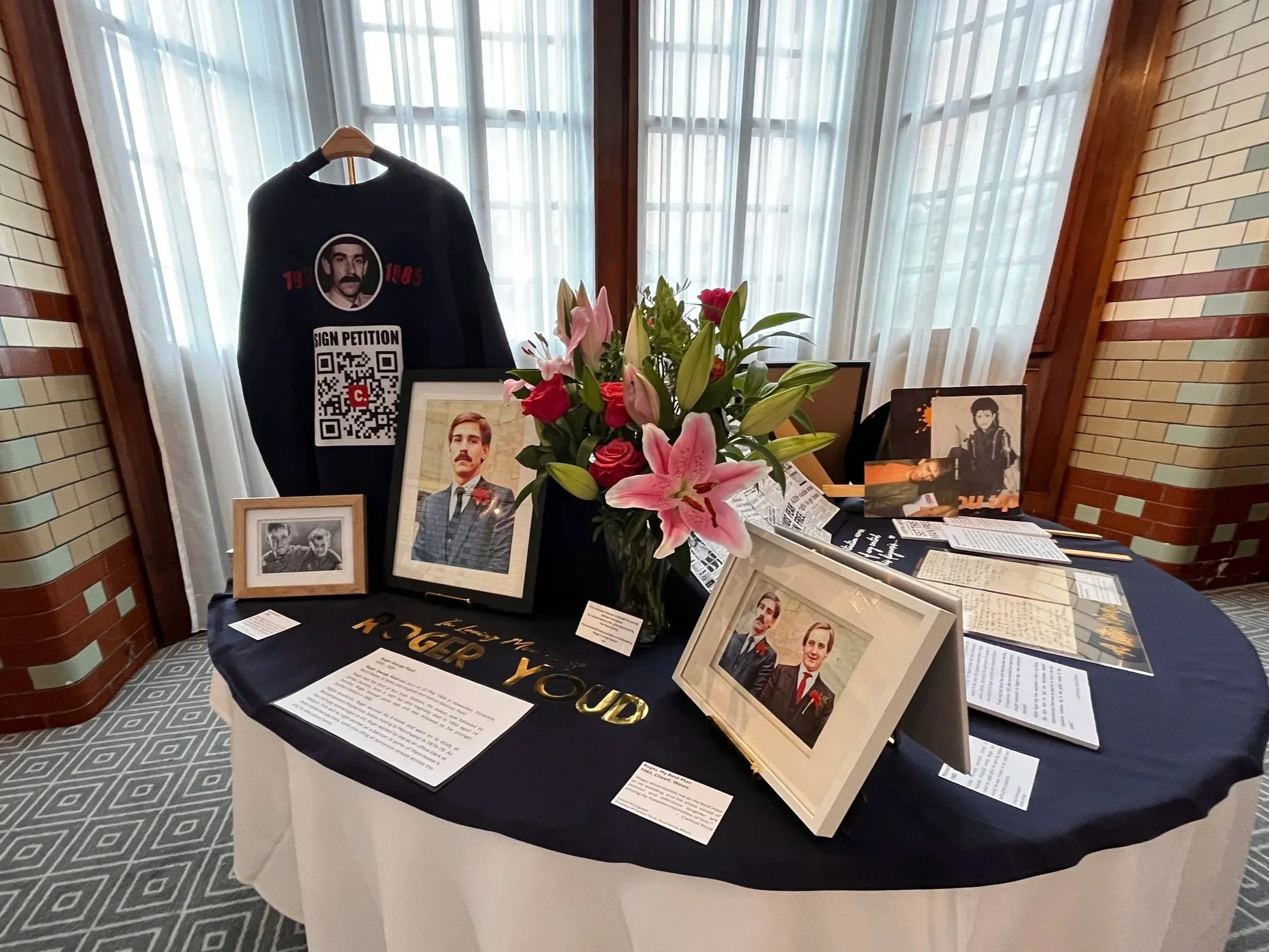

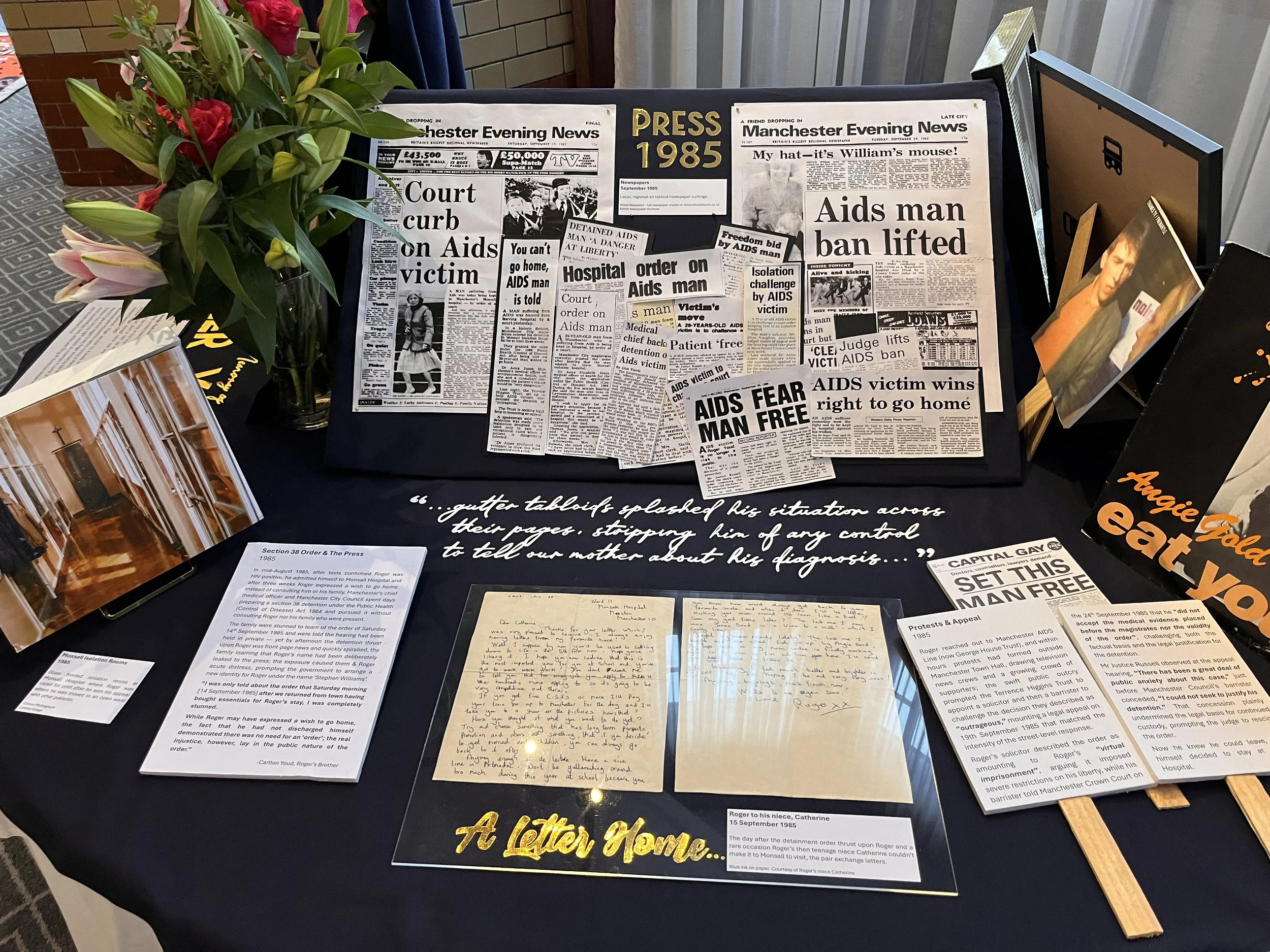


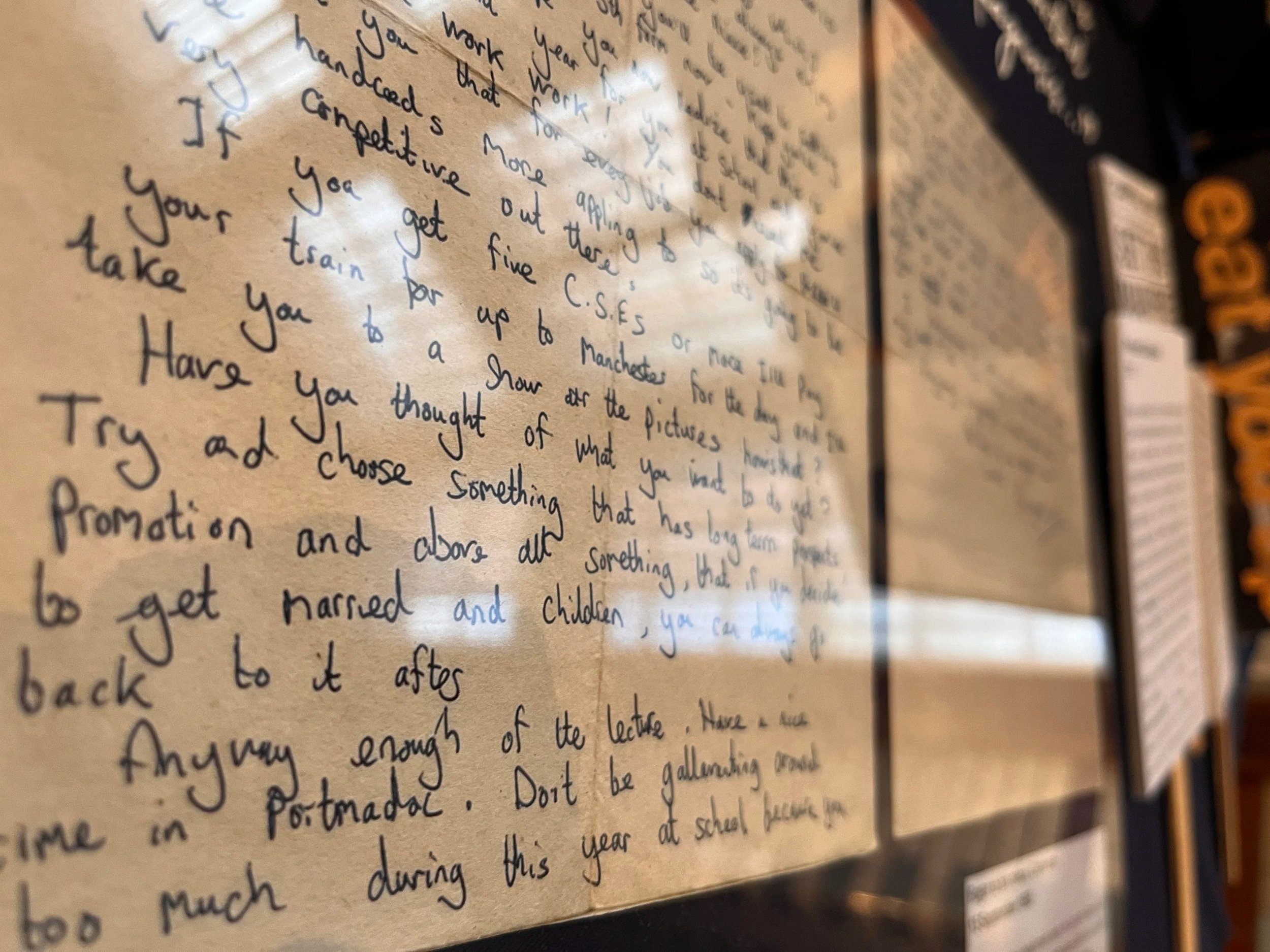
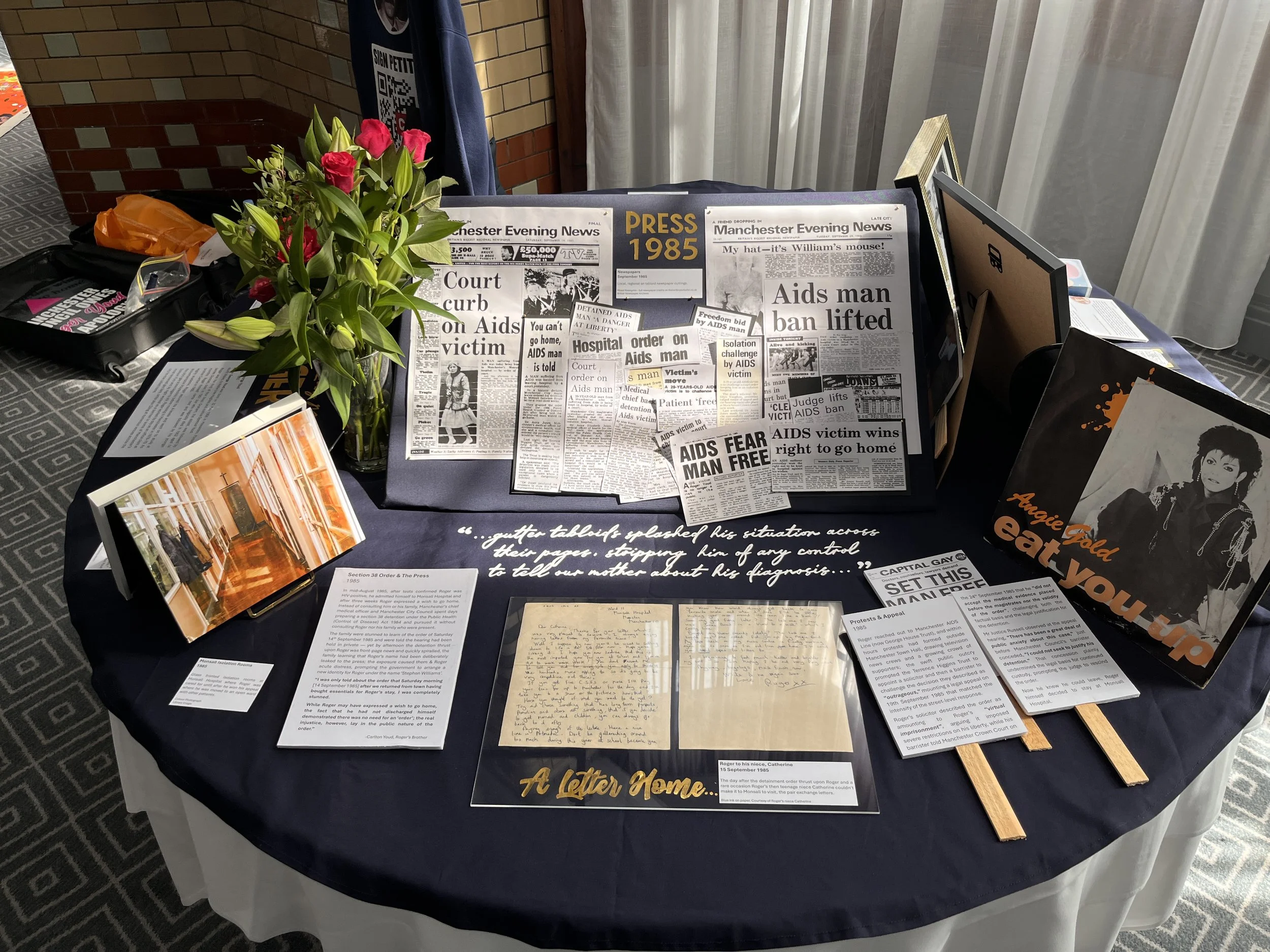
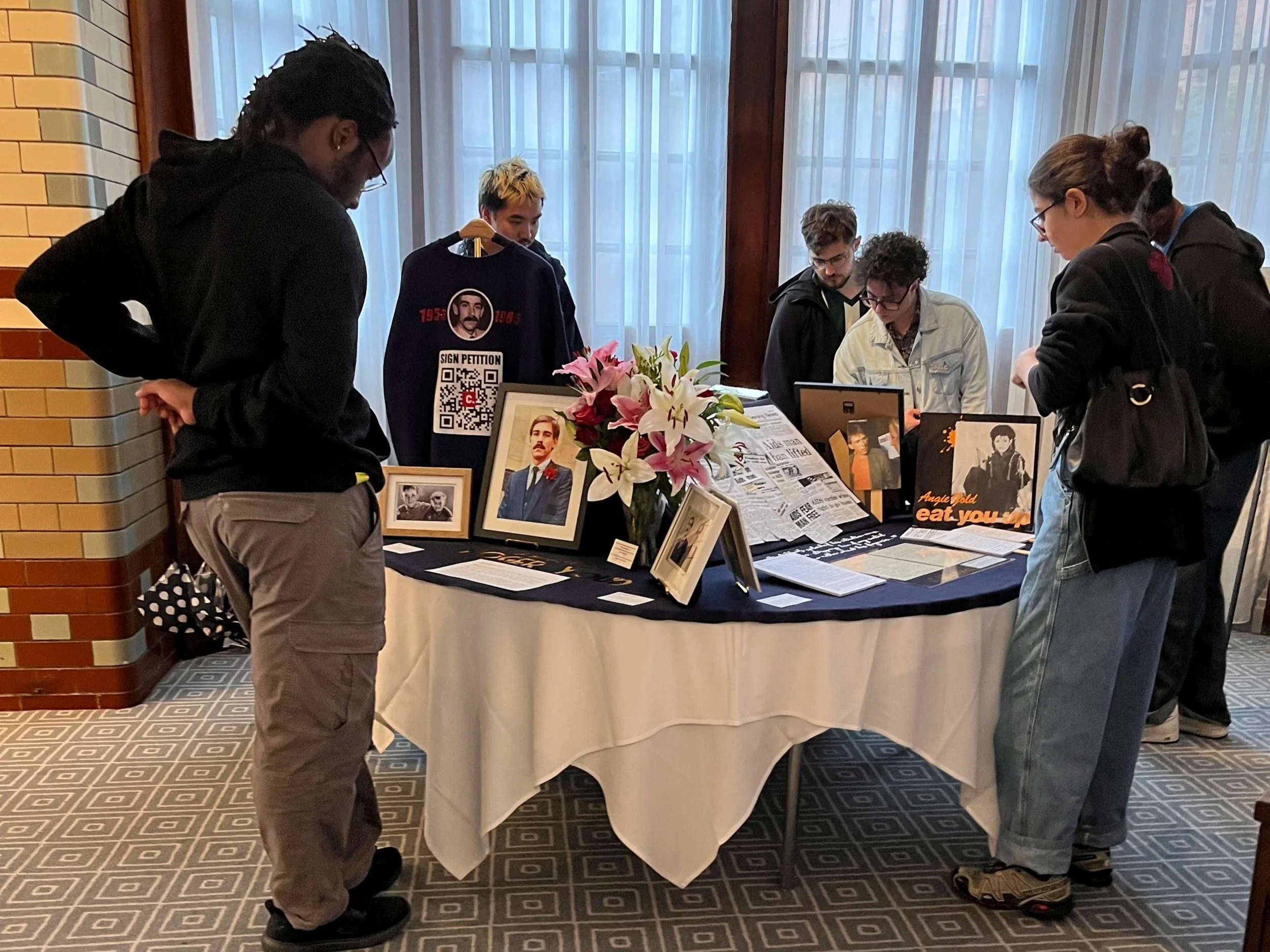

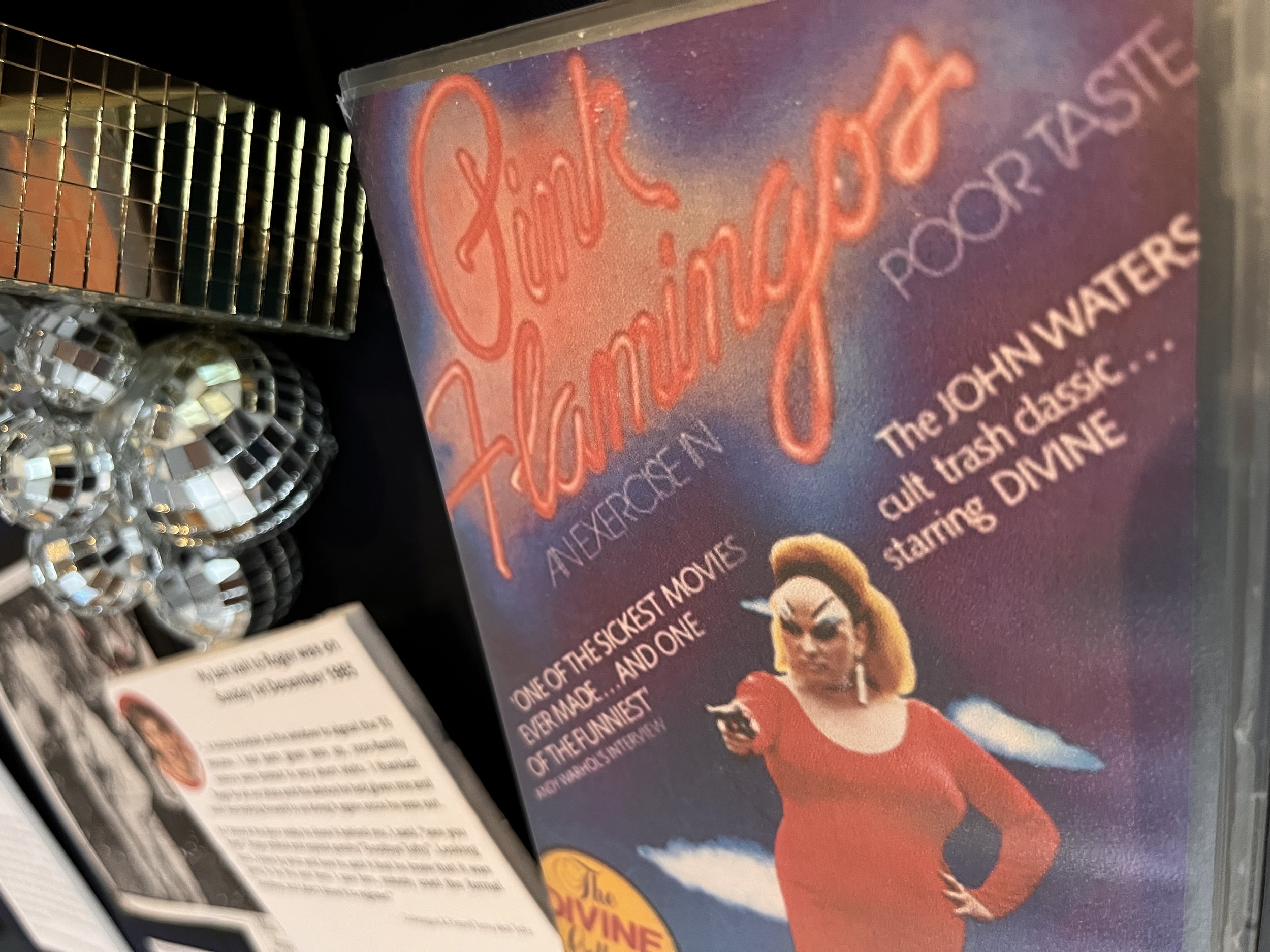

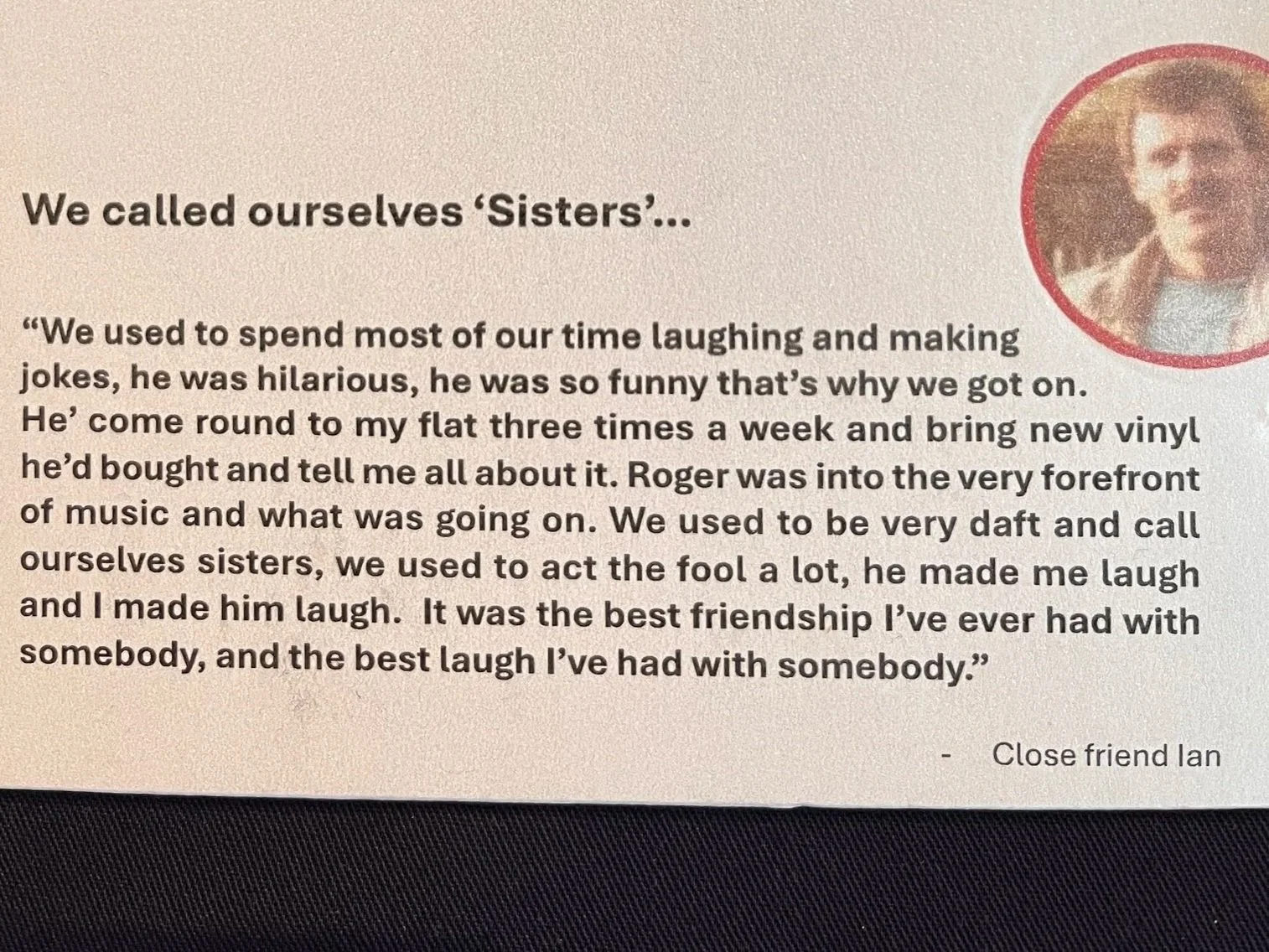
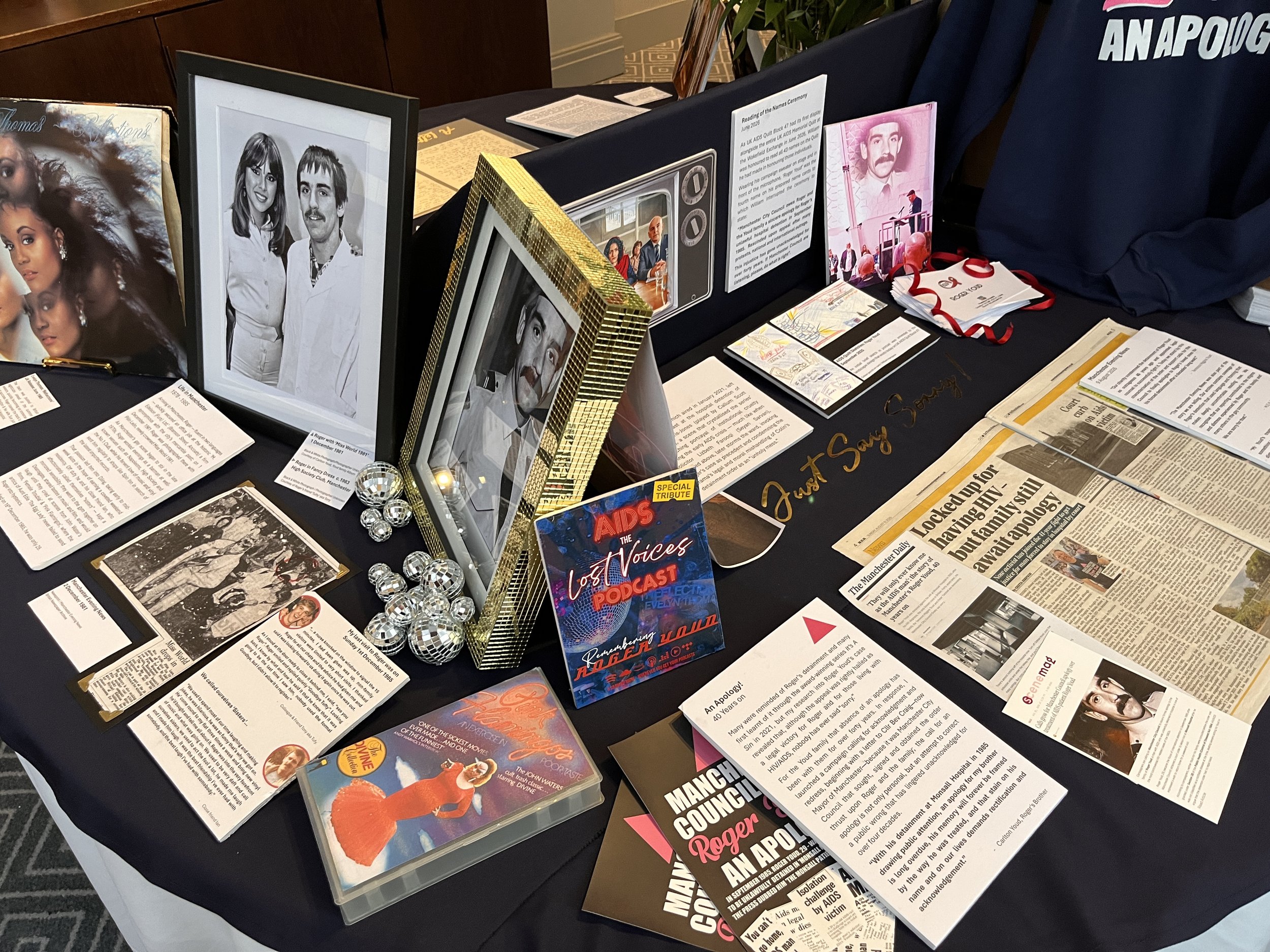

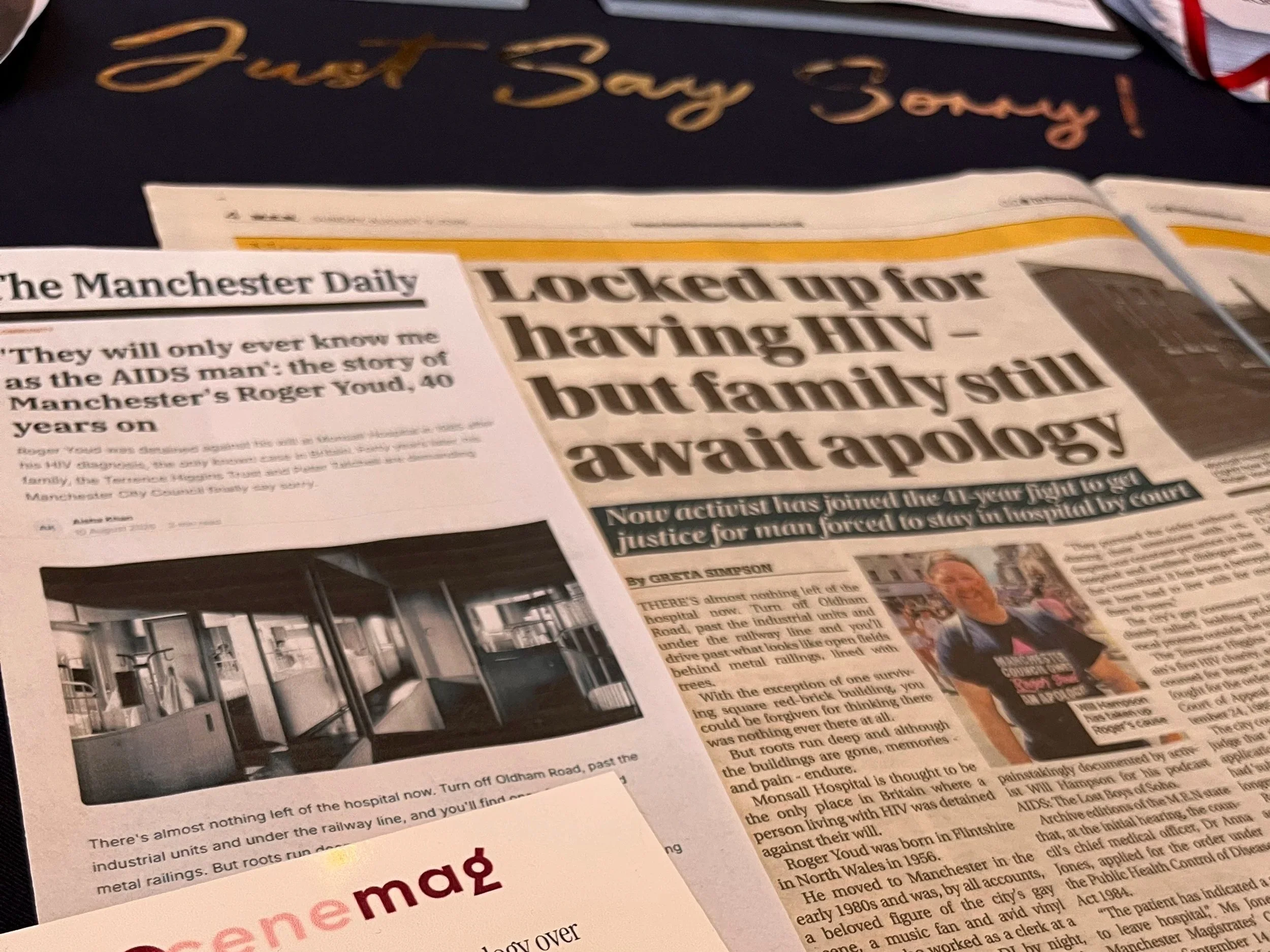


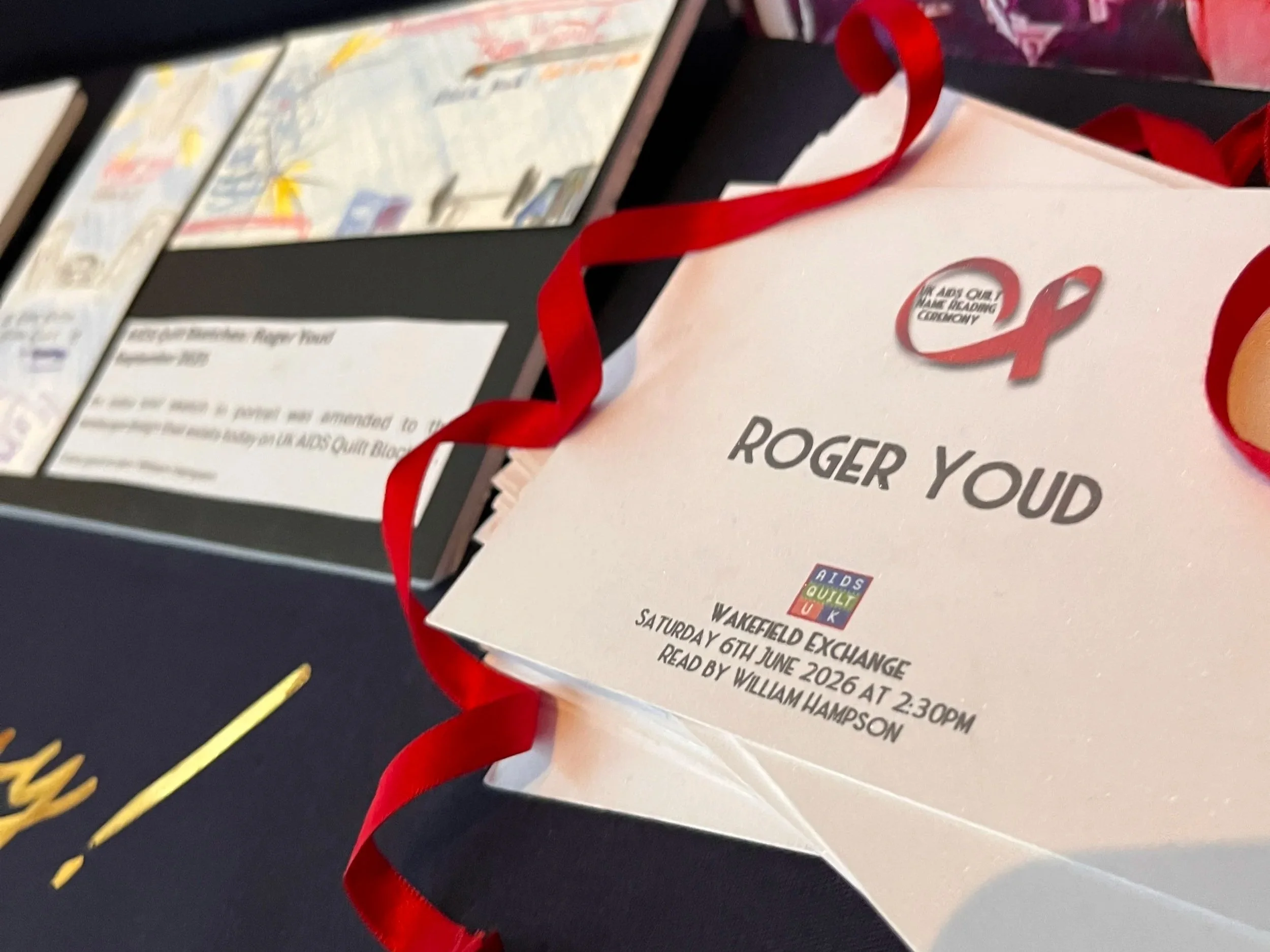
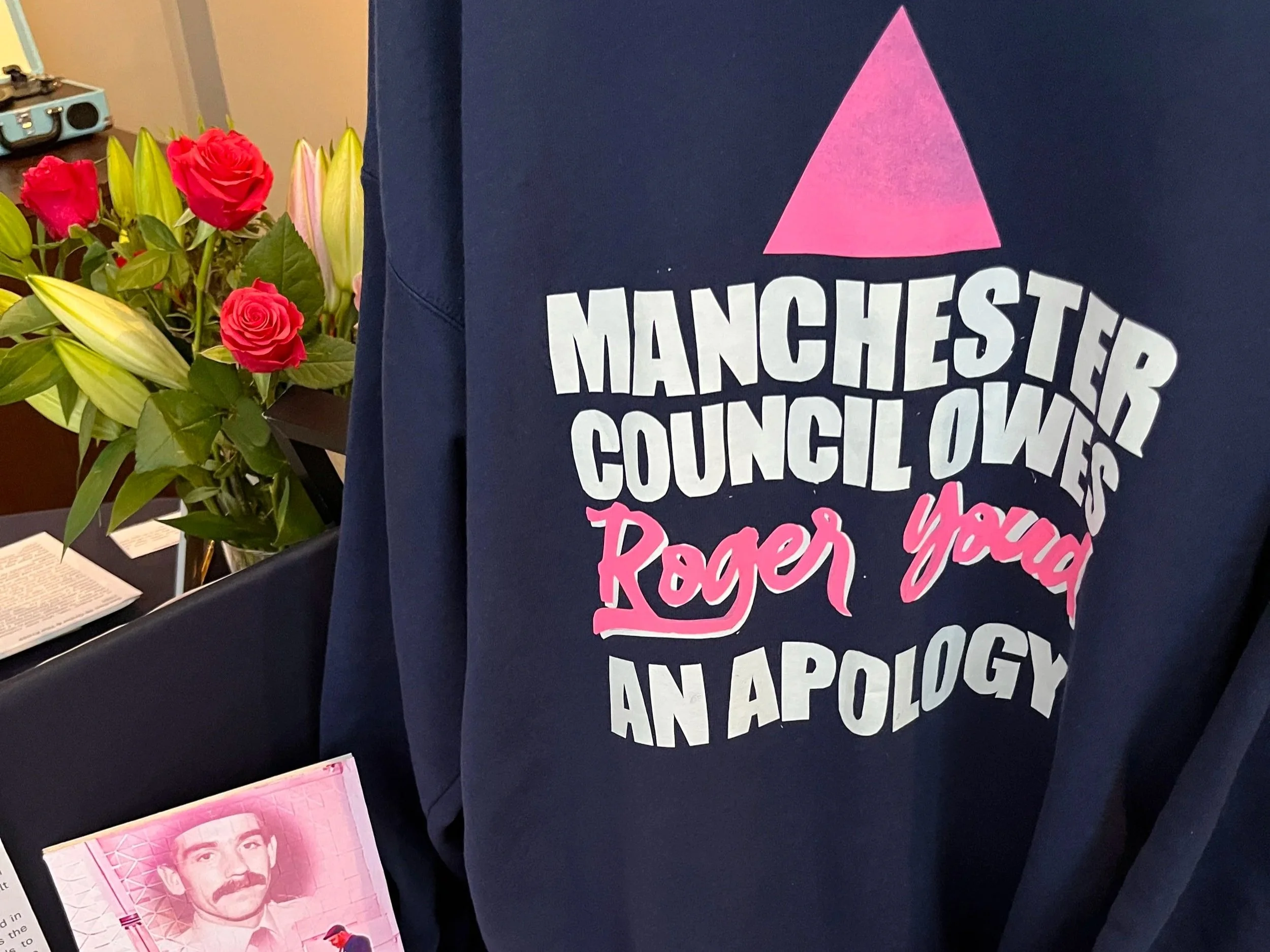

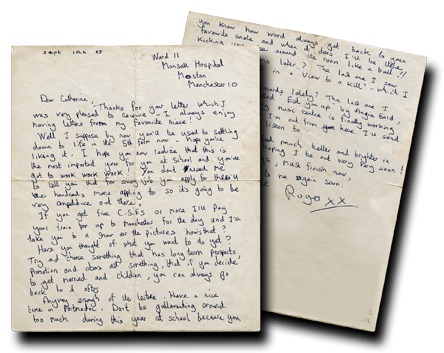
The display included a handwritten letter Roger penned to his teenage niece Catherine the day after the detainment order was thrust upon him, in which he gives his address in that moment as “Ward 11, Monsall Hospital”. He writes with the familiar uncle like advice offering a few practical tips about career options and a promise of a trip to Manchester should Catherine pass her exams, and a line about how he’s keeping an eye on her from afar. Roger signs off by recounting the latest film he’d seen — James Bond, A View to Kill — before sharing the last vinyl record he’d bought,
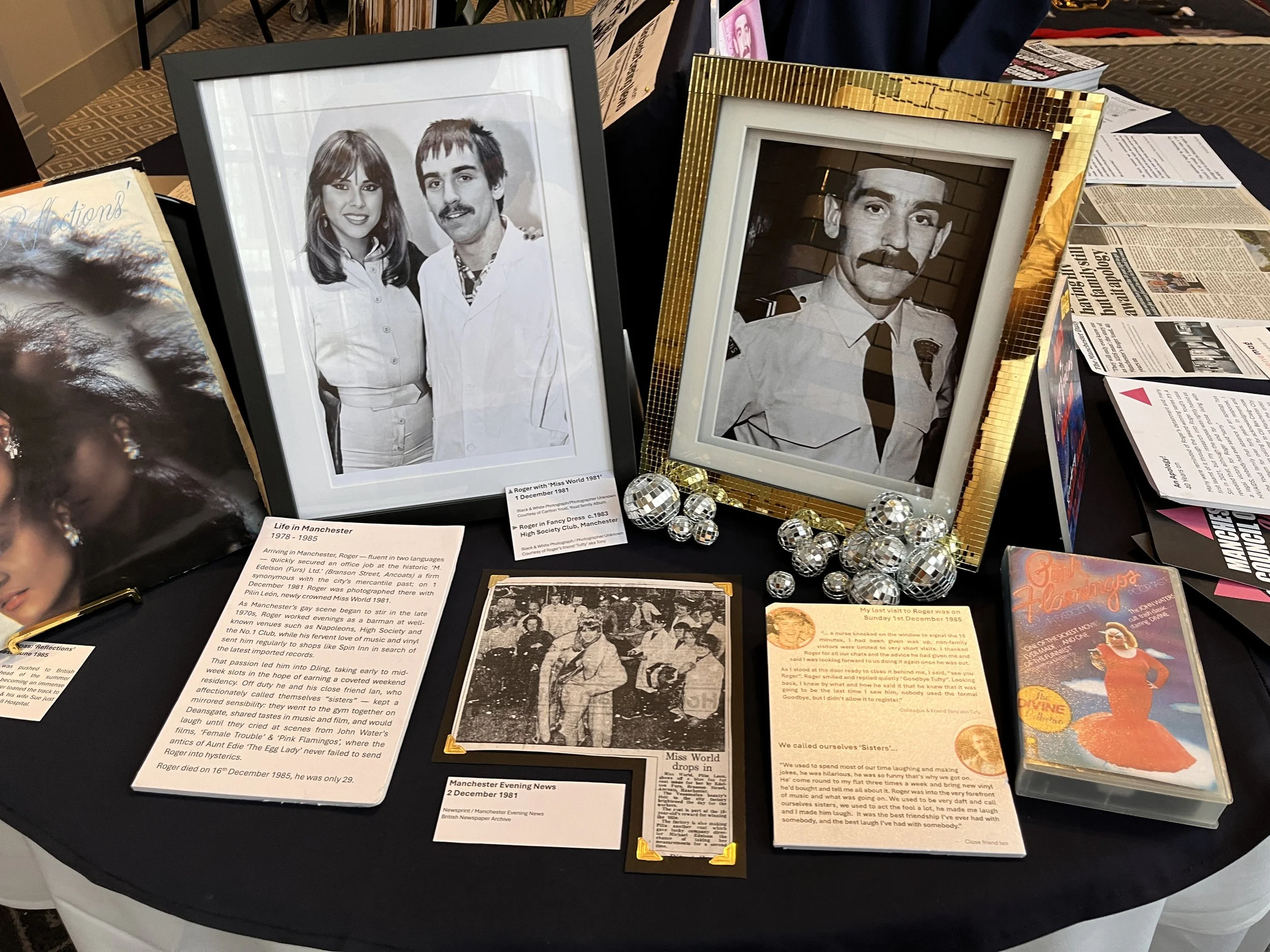
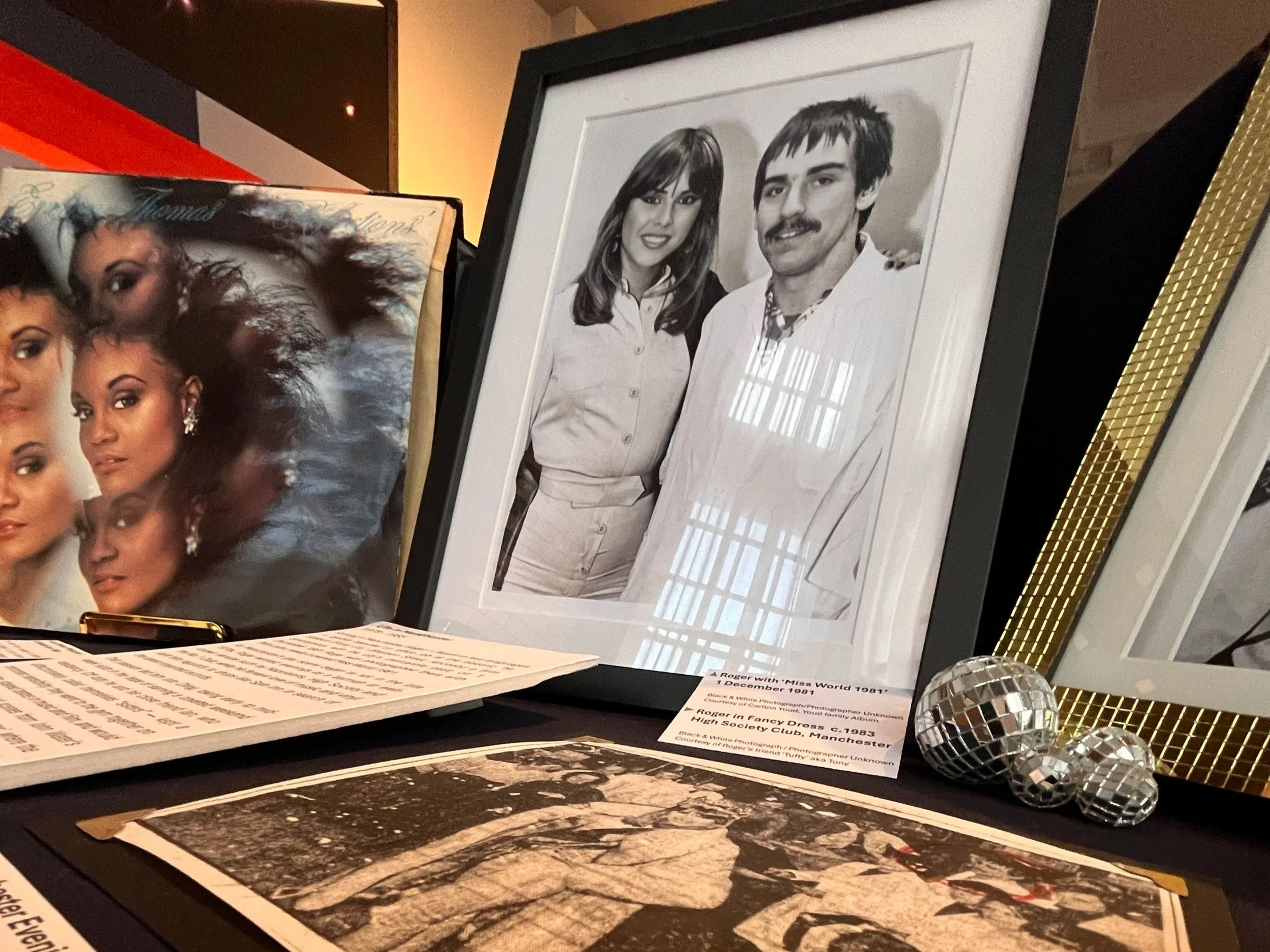
Alongside the letter sit family-album photographs: Roger and his brother Carlton as children in 1966, grinning into the camera, mirrored with a photograph of the brothers standing side by side in 1983, Roger proud as Carlton’s best man at his wedding.
A clipped newspaper article from 1981 documents a more public moment — Miss World Pilin Leon’s visit to Edelson Furs in Ancoats, where Roger, who’s day job at the factory was as a clerk given he spoke two languages, Miss World collected the £4,500 fur coat awarded as part of her Miss World prize — small fragments that stitch together private loss, familial loyalty and the incidental brush with a celebrity before falling ill and being betrayed by the local authority and local, national and international press.

Shared Outrage & Love
As a volunteer for six of the seven days that the UK AIDS Quilt and the Roger Youd display were on view, I was able to be on-hand to share more about both pieces. It was incredible to see how many people—spanning all ages and demographics, from local Mancunians to Pride visitors—already knew about the forced detention order thrust upon Roger in 1985.
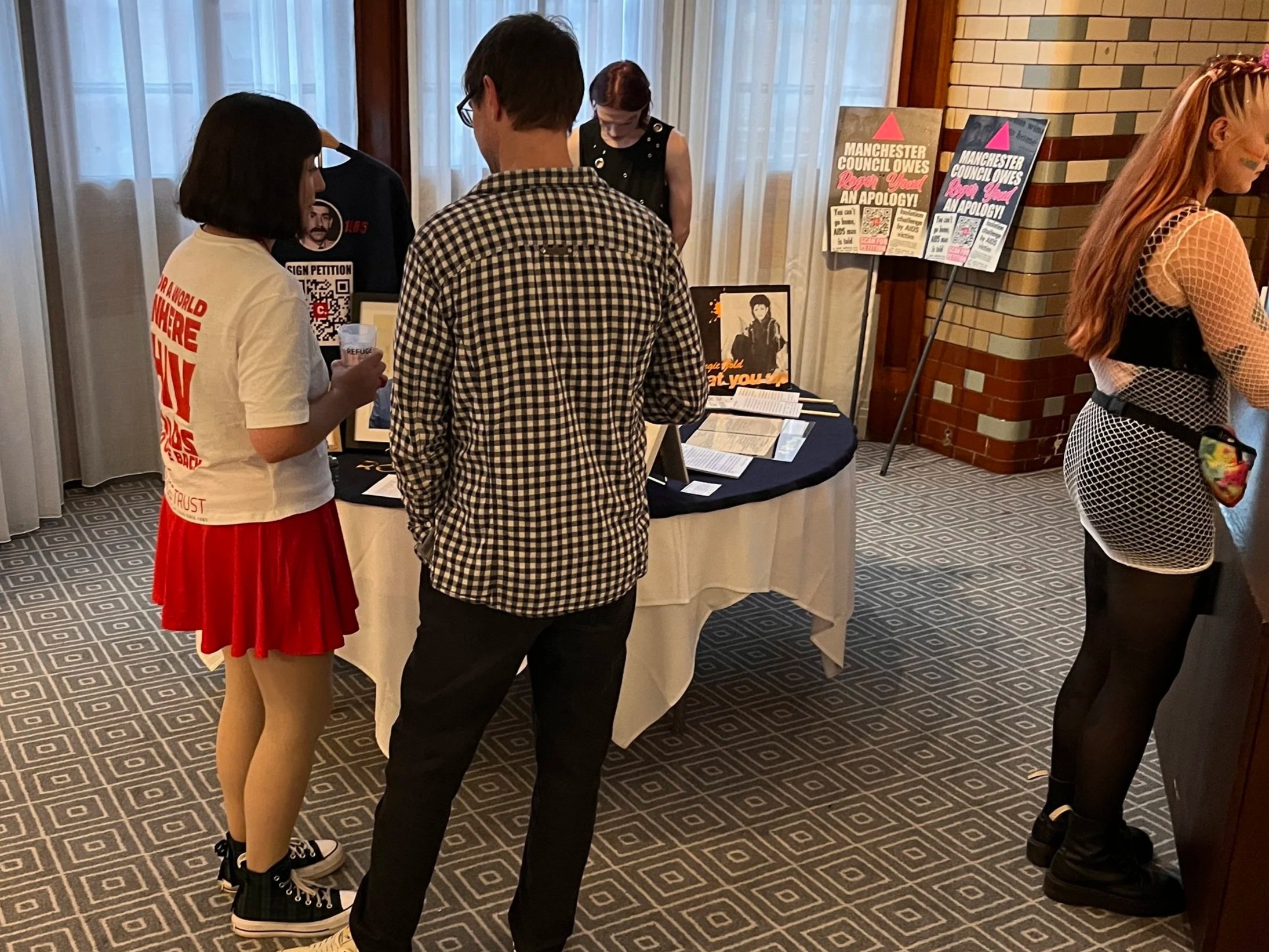
I was initially worried that the display was too text-heavy. While people often just snap photos on their phones to read later, it was incredibly heartening to watch visitors take their time reading each section. They either stopped to ask questions or shared their outrage, proving that even four decades later, the order is still deemed completely shocking and unbelievable.
However, many shared the exact same reaction when reading Manchester City Council’s response to calls for an apology:“Mr. Youd’s treatment was unacceptable and is something we profoundly regret. We acknowledge the distress he and his family went through and we would be happy to meet with family members should they wish to discuss the case.”
The repeated response from the public was, "That's not an apology, is it?" Many felt that while the council's words were a step forward, it almost would have been better if they had said nothing at all. Expressing mere "regret" felt like a slap in the face compared to actually saying the words, ‘We are sorry.’
What made the experience even more powerful was that many of those who shared their opinions, asked questions, and expressed solidarity did so in the presence of Roger’s own close family. They visited the quilt and checked on the display several times throughout the week, allowing them to witness firsthand the wonderful feedback, warmth, and support from many of you who came to visit.

Manchester Village Pride Parade Saturday 30 August 2026 from 12pm
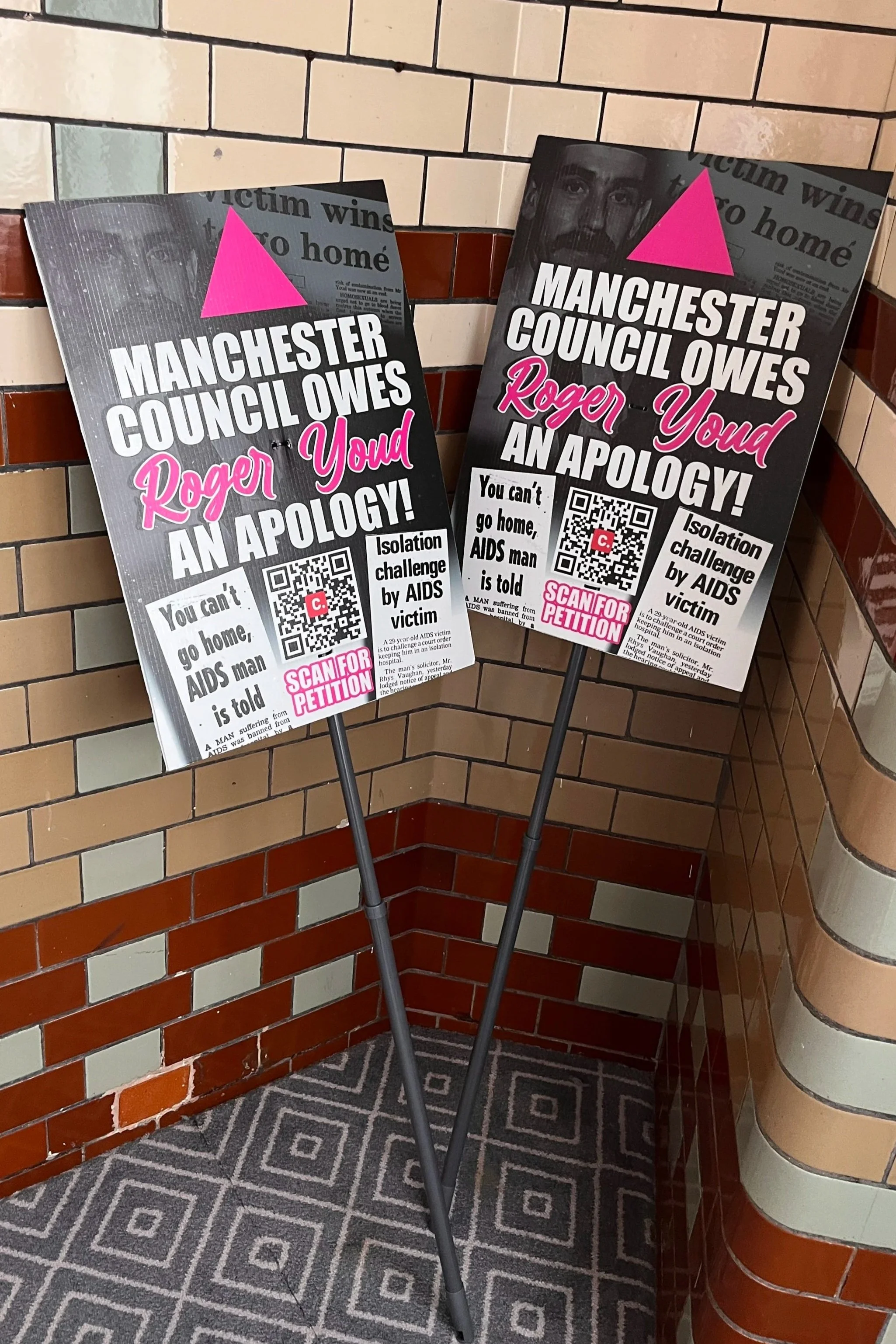
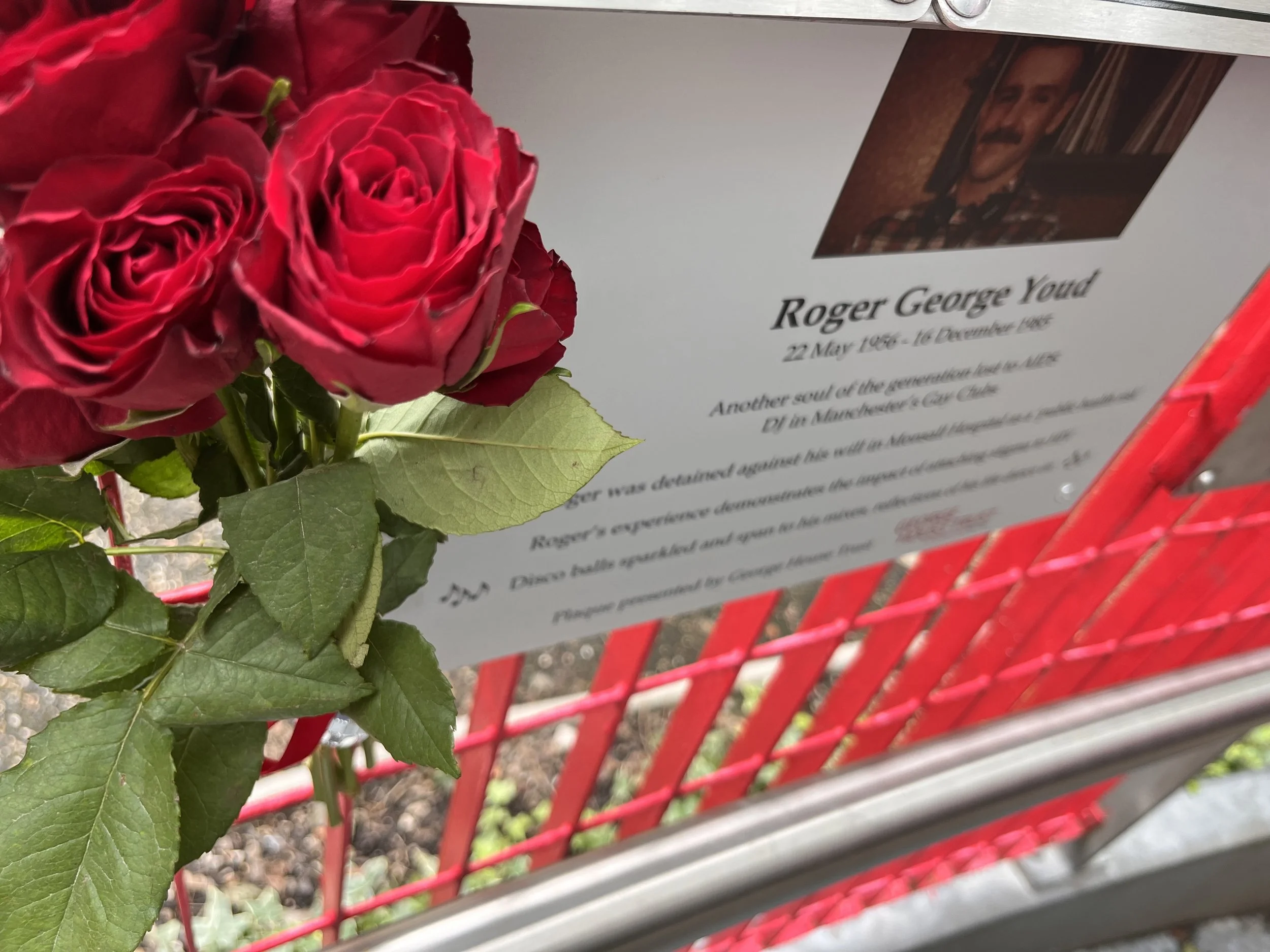
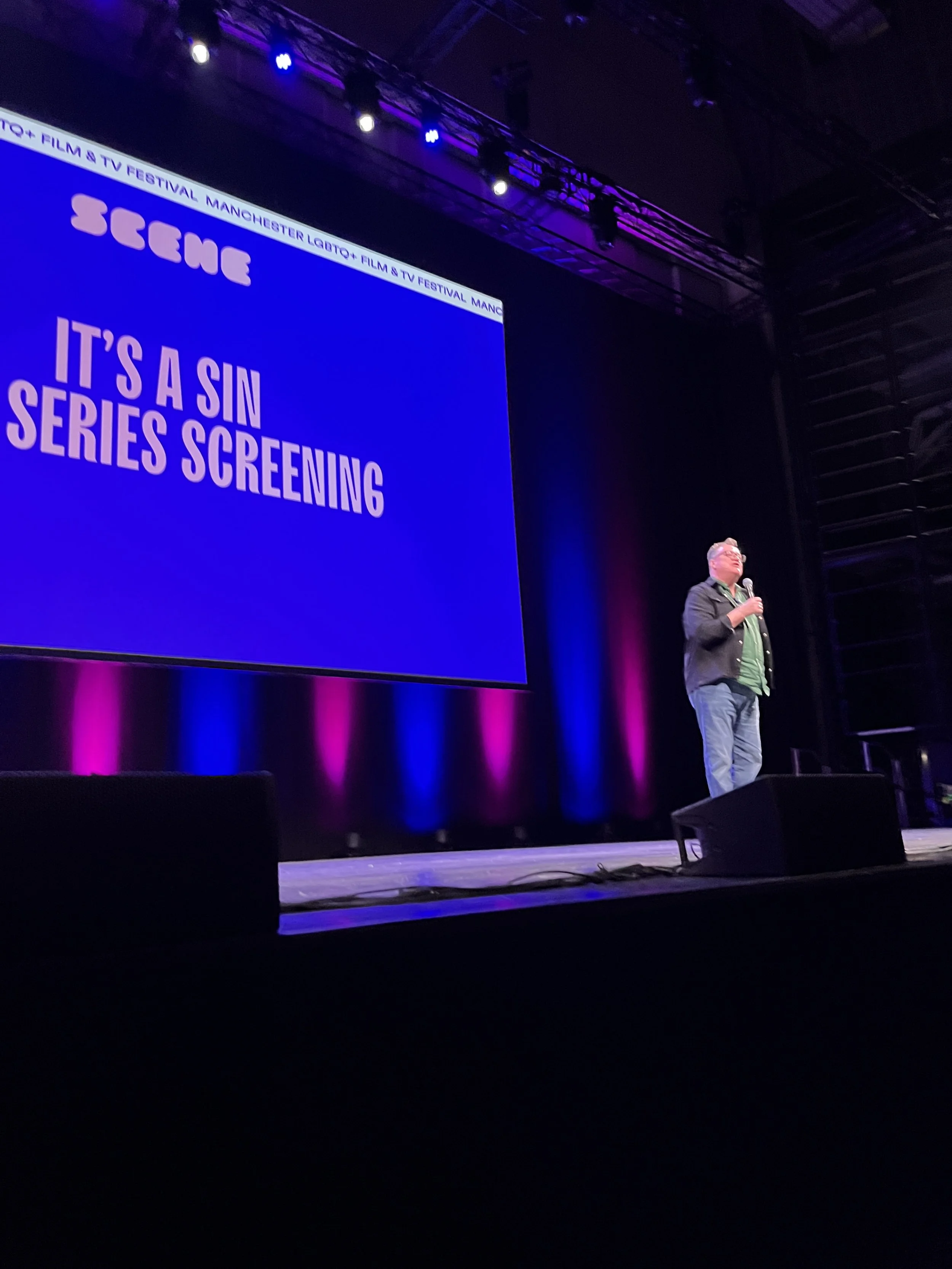
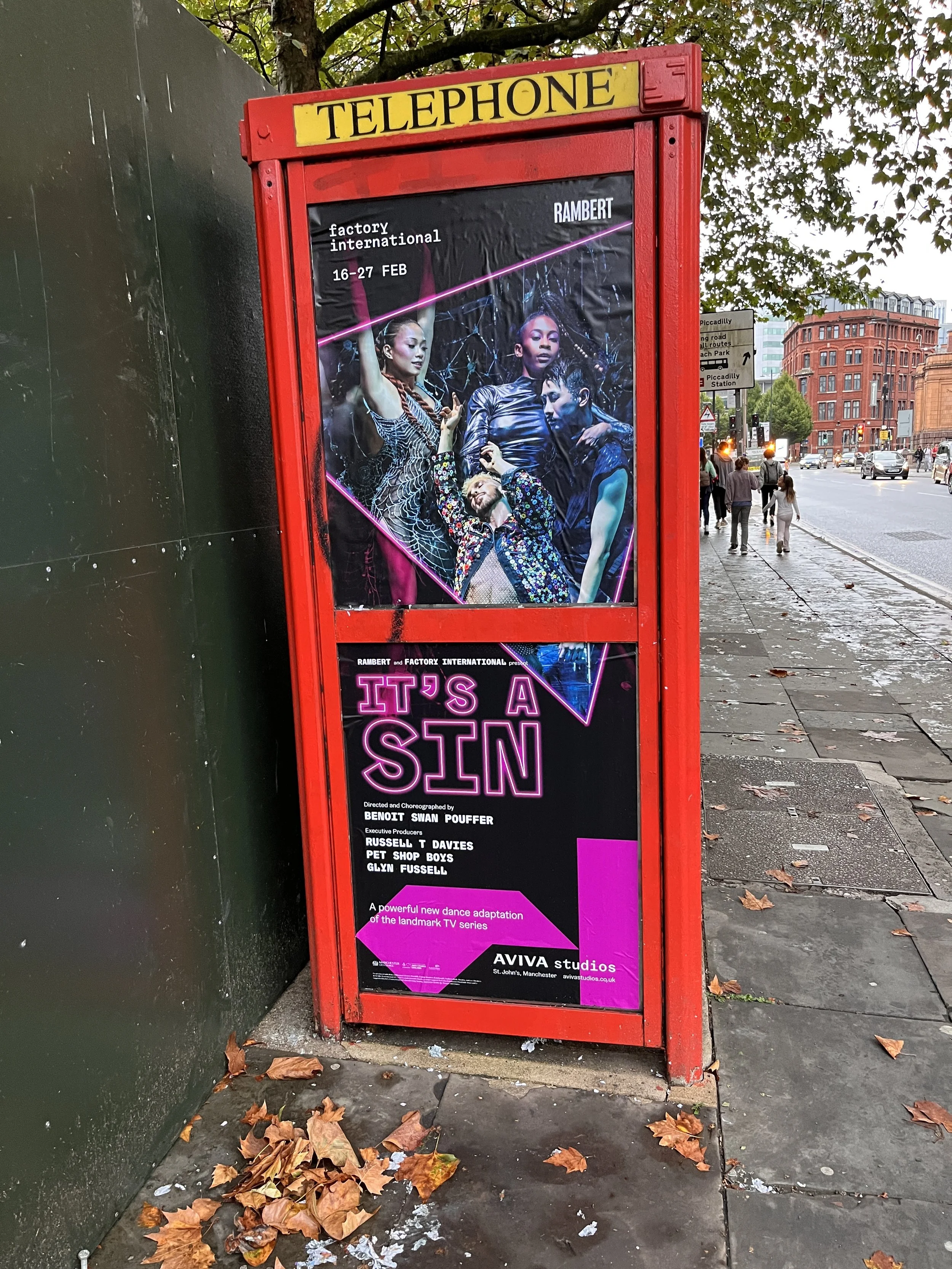
Over recent years, the hit TV drama Its A Sin and Russell T Davies’s confirmation that Colin (played by Callum Scott-Howells) was based in part on Roger Youd brought renewed attention to Roger’s story; Antony (aka Tufty) has since championed recognition of that history, helping secure a timeline plaque referencing Roger’s case on the Beacon of Hope memorial unveiled by the George House Trust in July 2026 and a personal plaque dedicated to Roger with a photograph revealed ahead of Manchester Pride 2026.
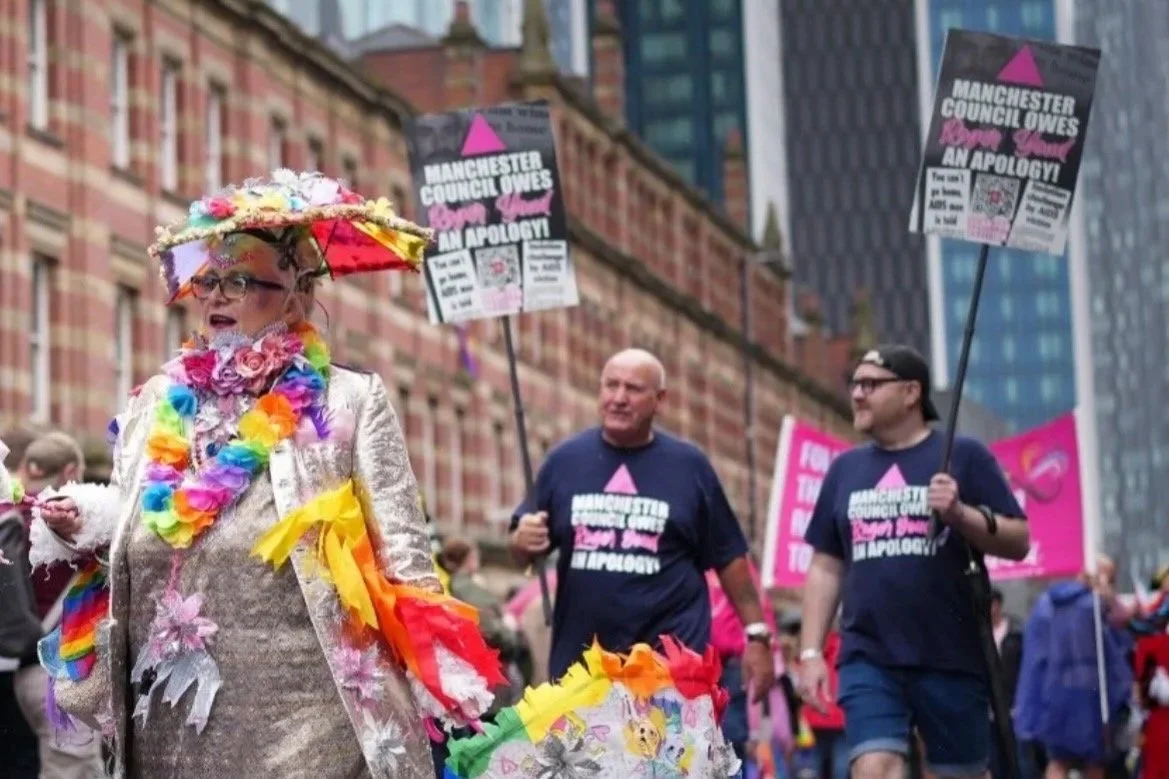
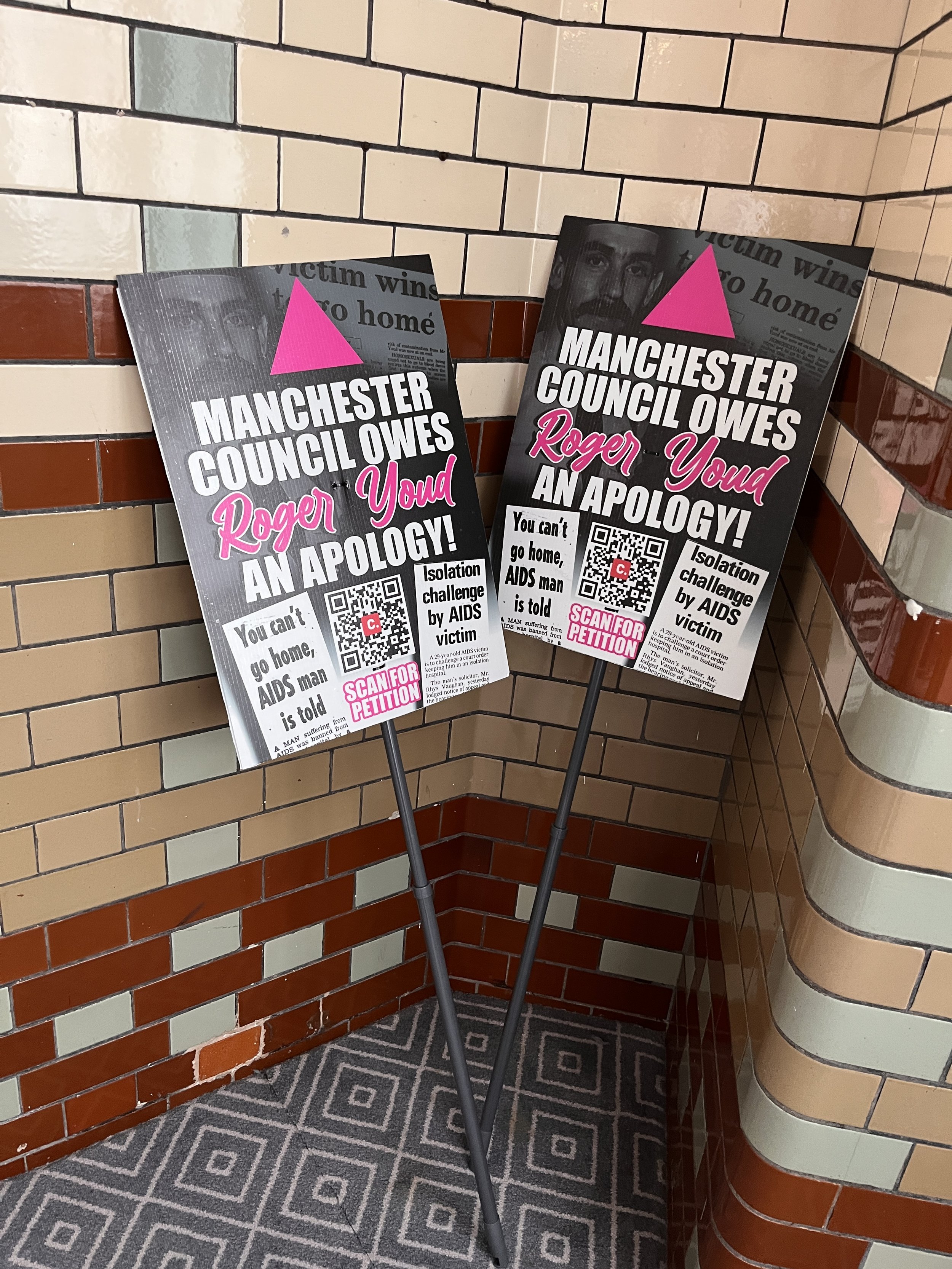
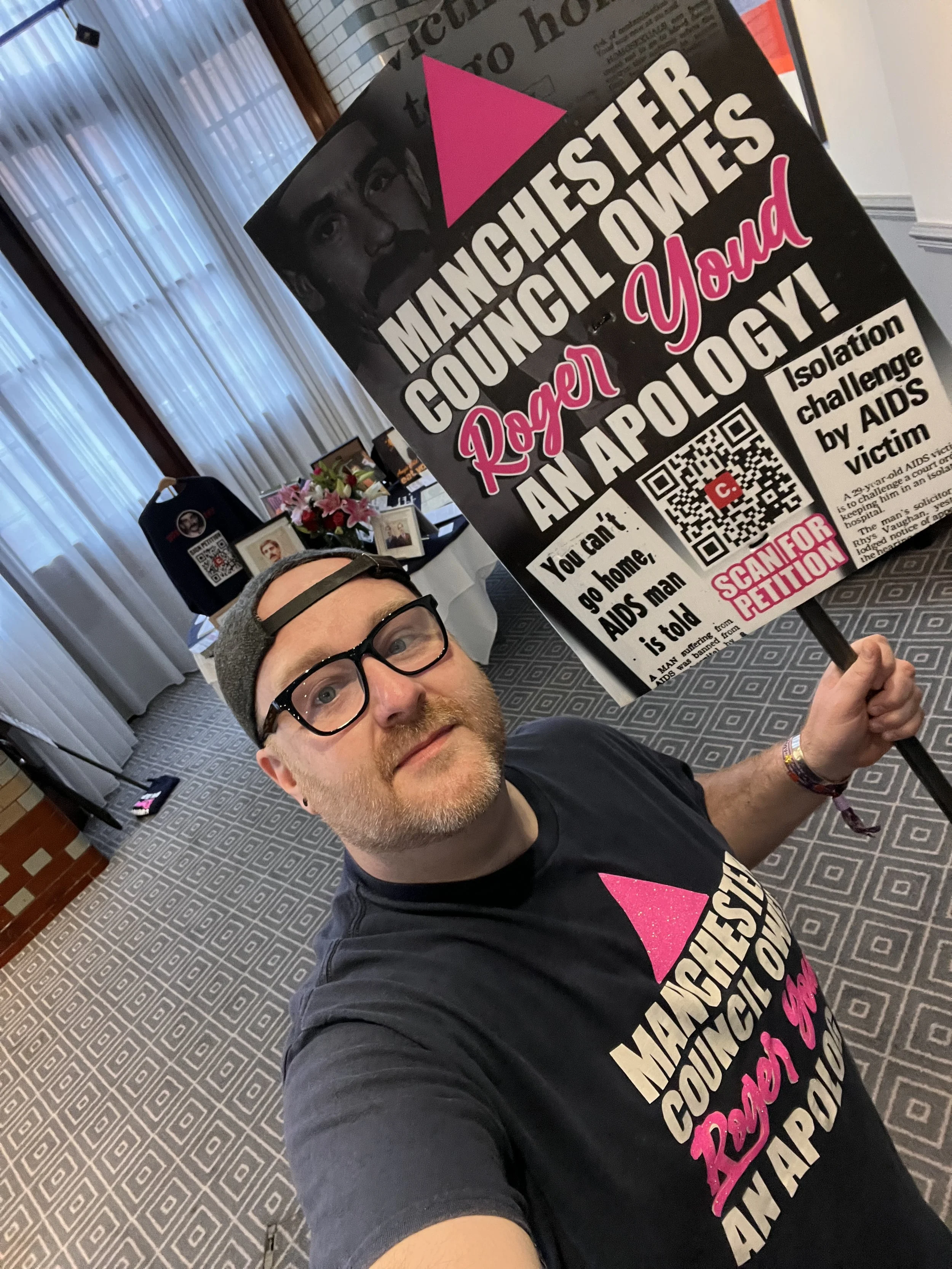
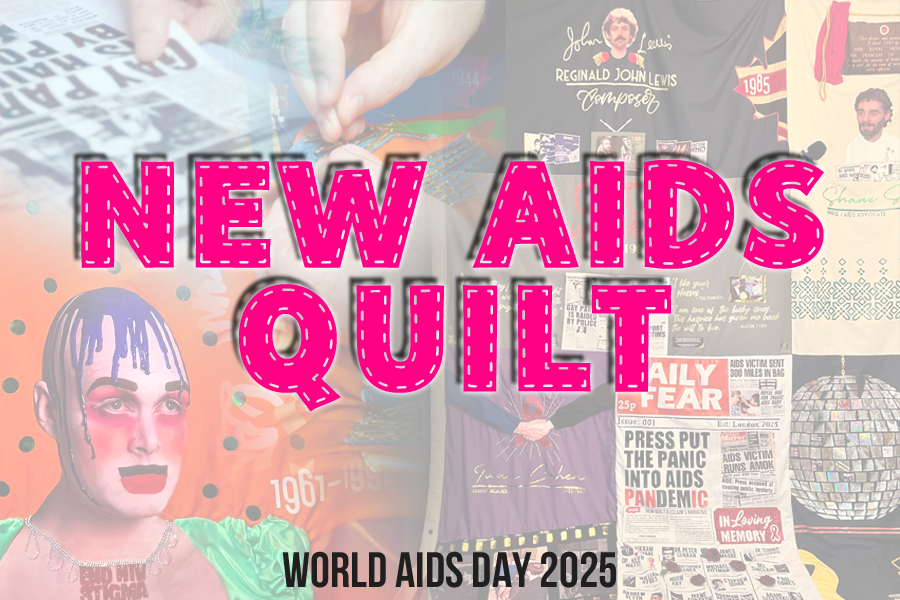
Along with my podcast episodes in 2024 an 2025 revisiting the news articles and speaking to those who knew Roger best along with adding a panel in Roger’s memory to the UK AIDS Memorial Quilt on World AIDS day 2025. Which then led to the launch of a campaign for an official apology — one I pursued mindful that the Youd family, particularly Carlton, might wish to be involved. When Manchester Village Pride welcomed the UK AIDS Memorial Quilt block 47 and a display for Roger to Manchester, the chance arose to invite the Youd family to march in the Pride parade alongside me; I wasted no time in asking, and it was a welcome surprise when Carlton said ‘Yes.’
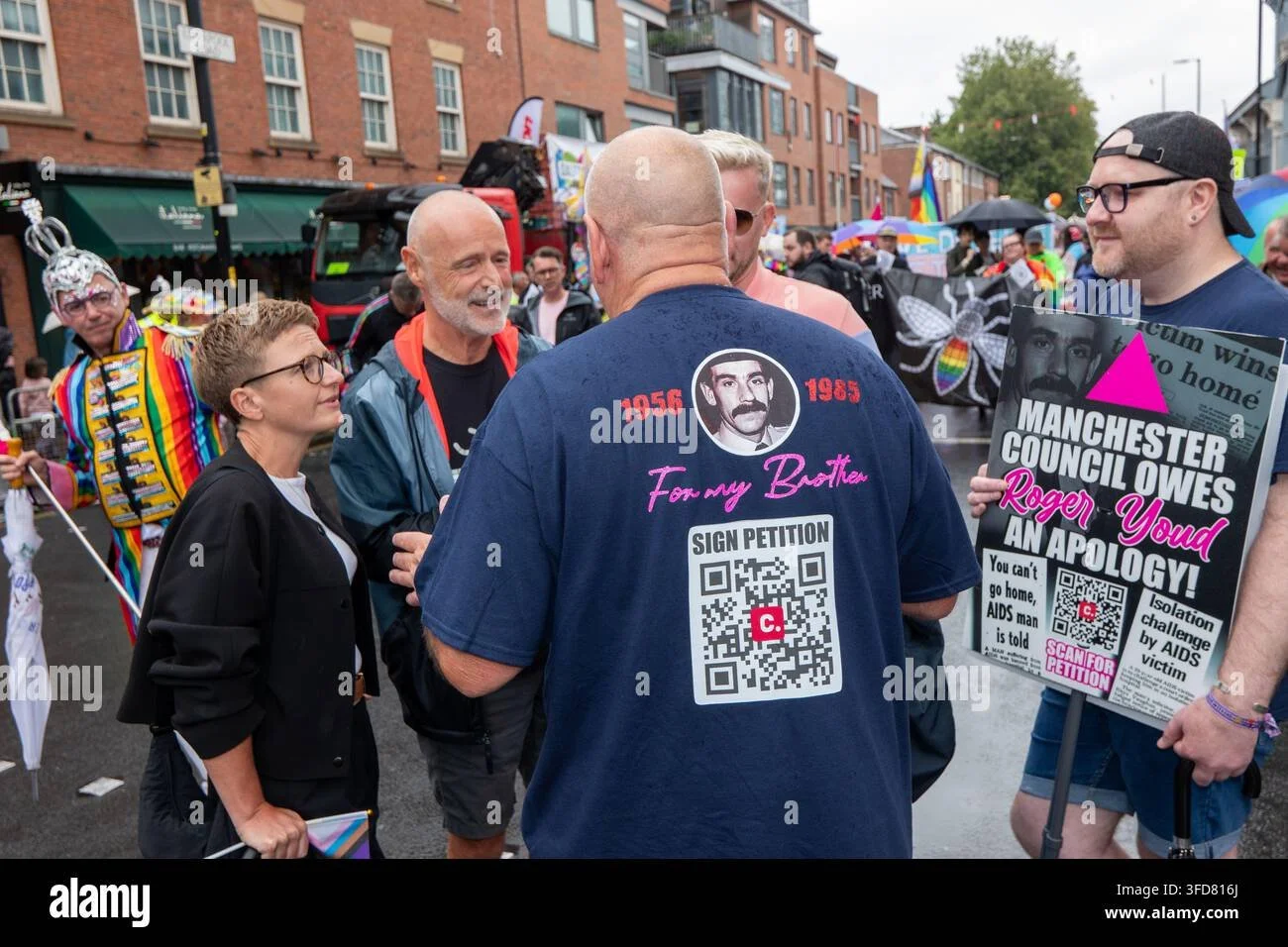
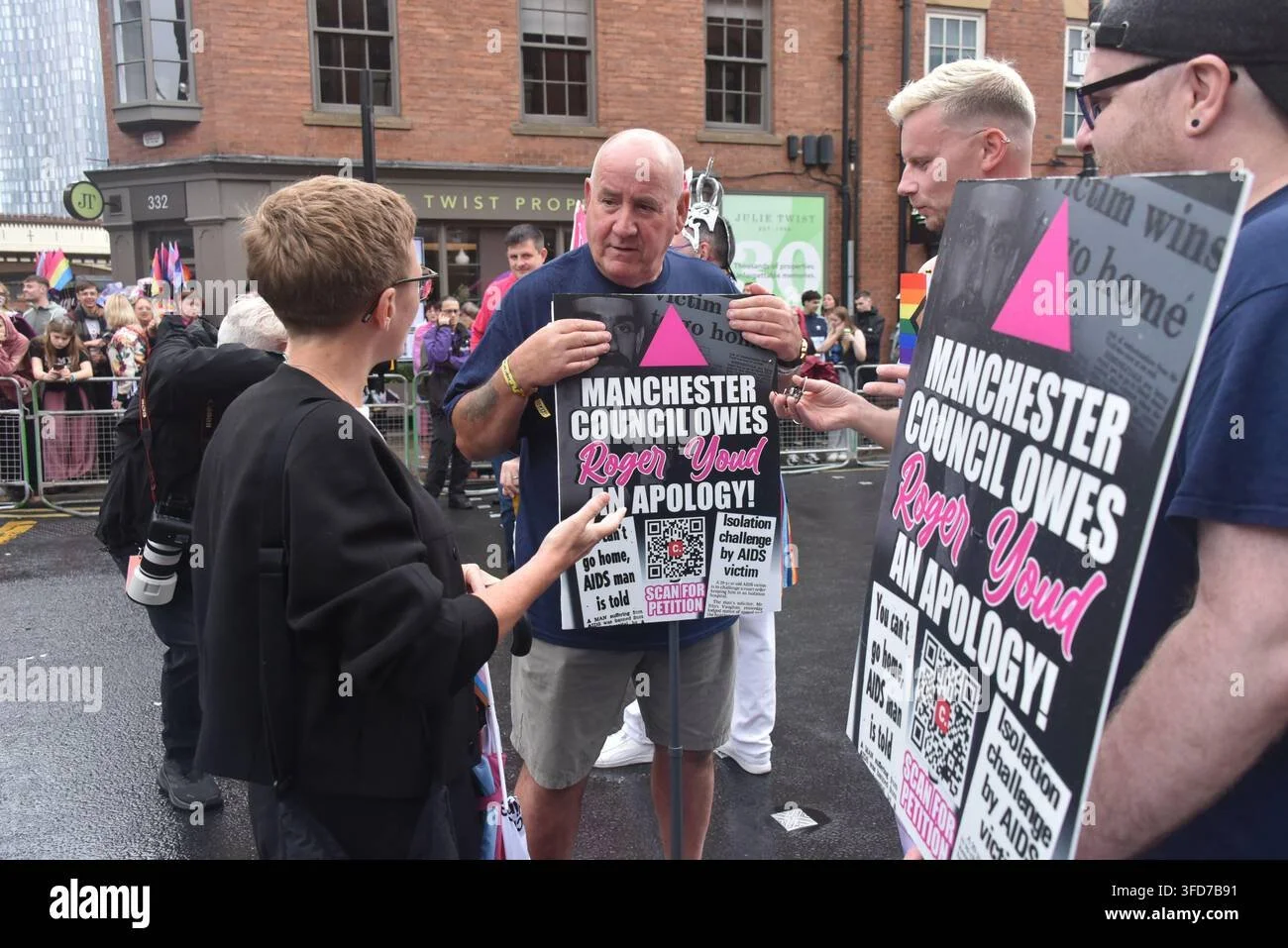
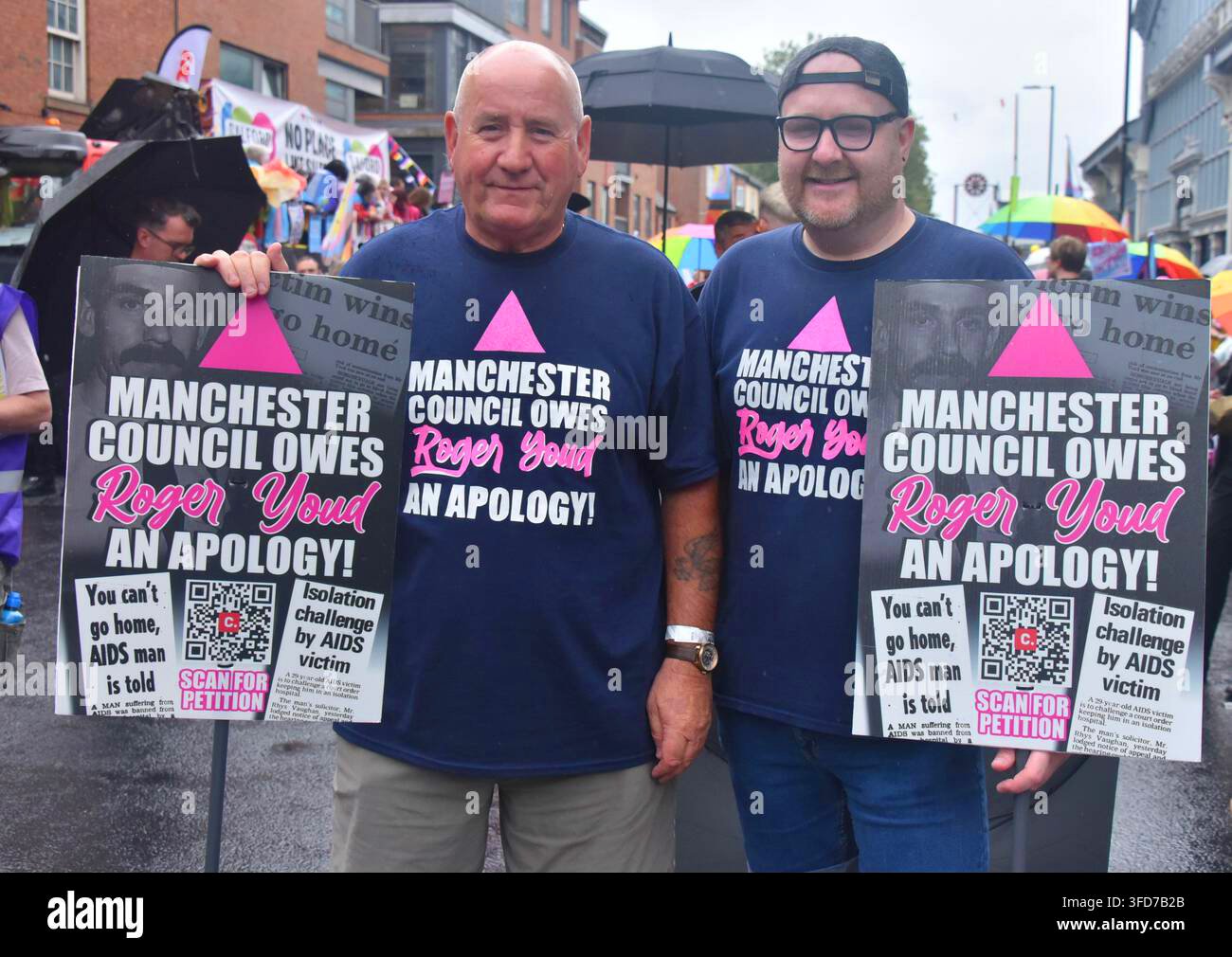
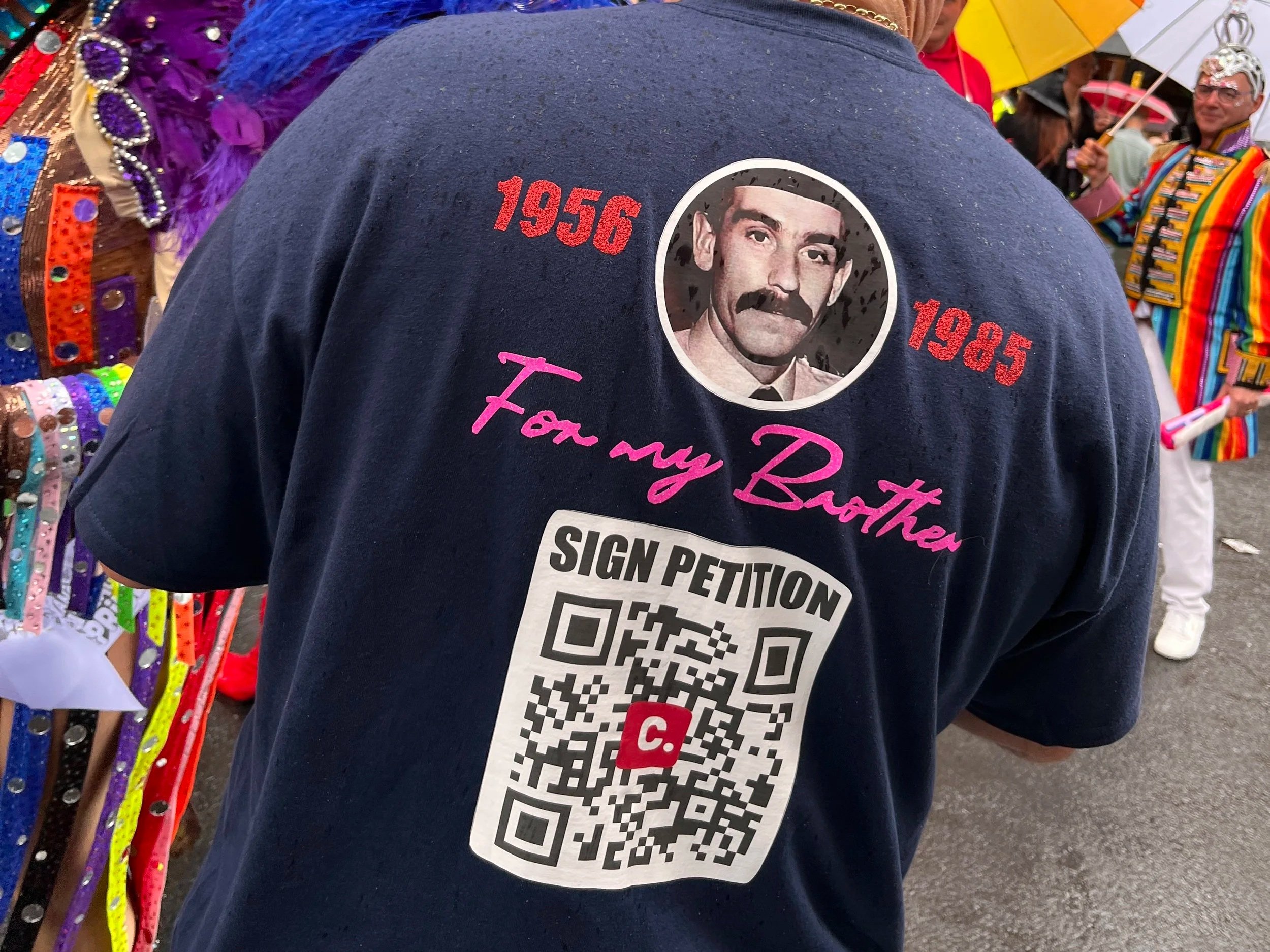
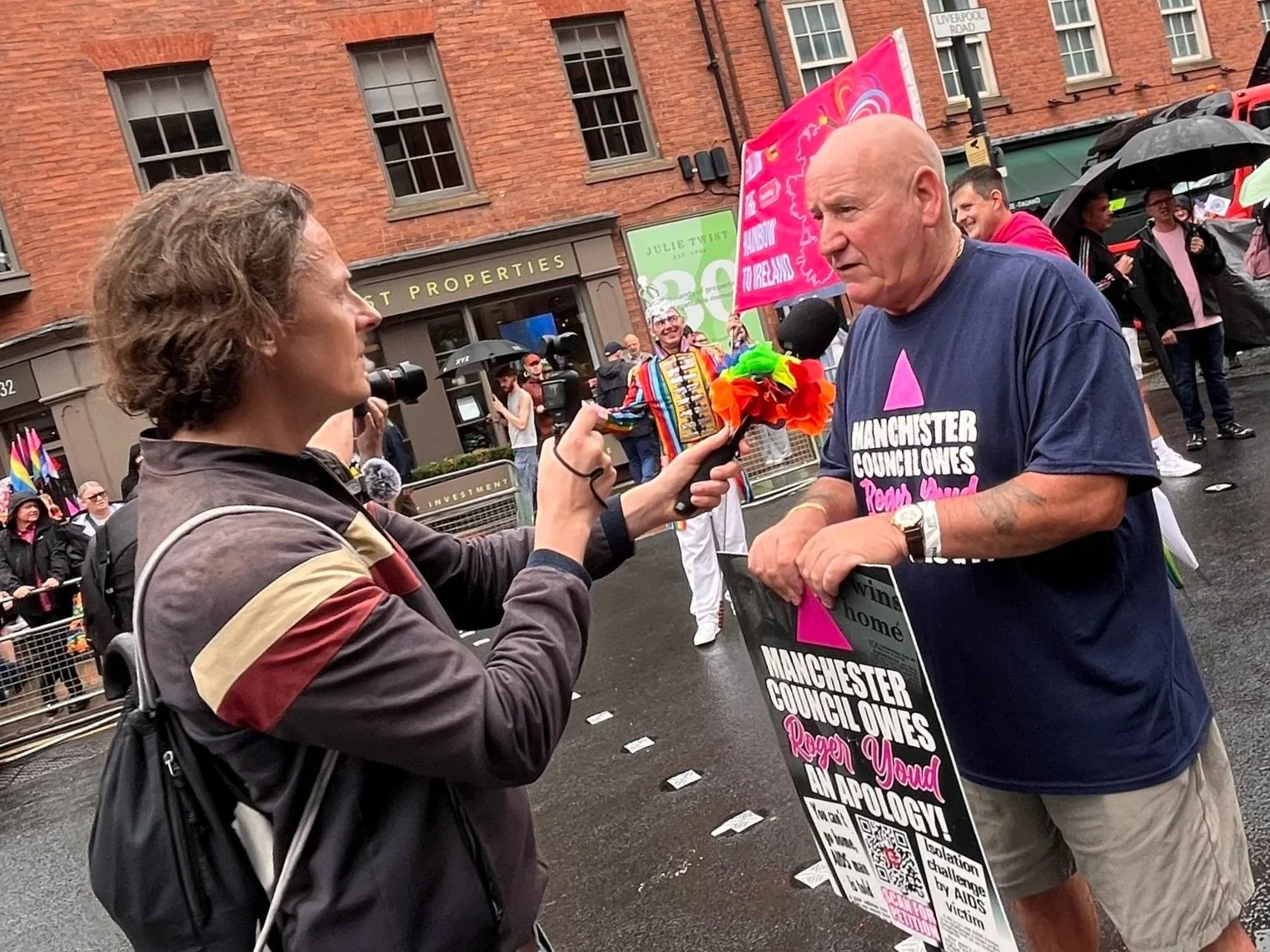
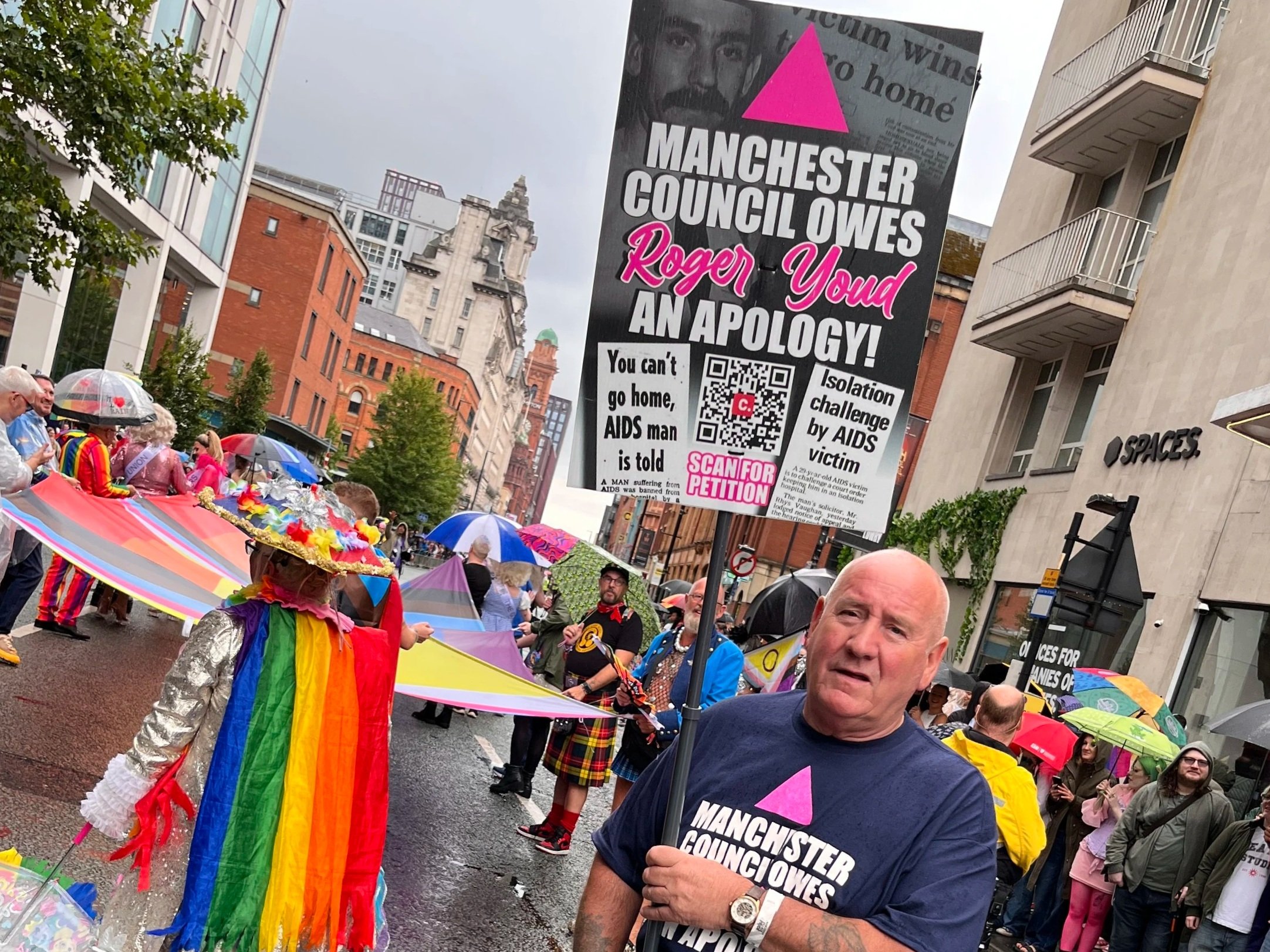
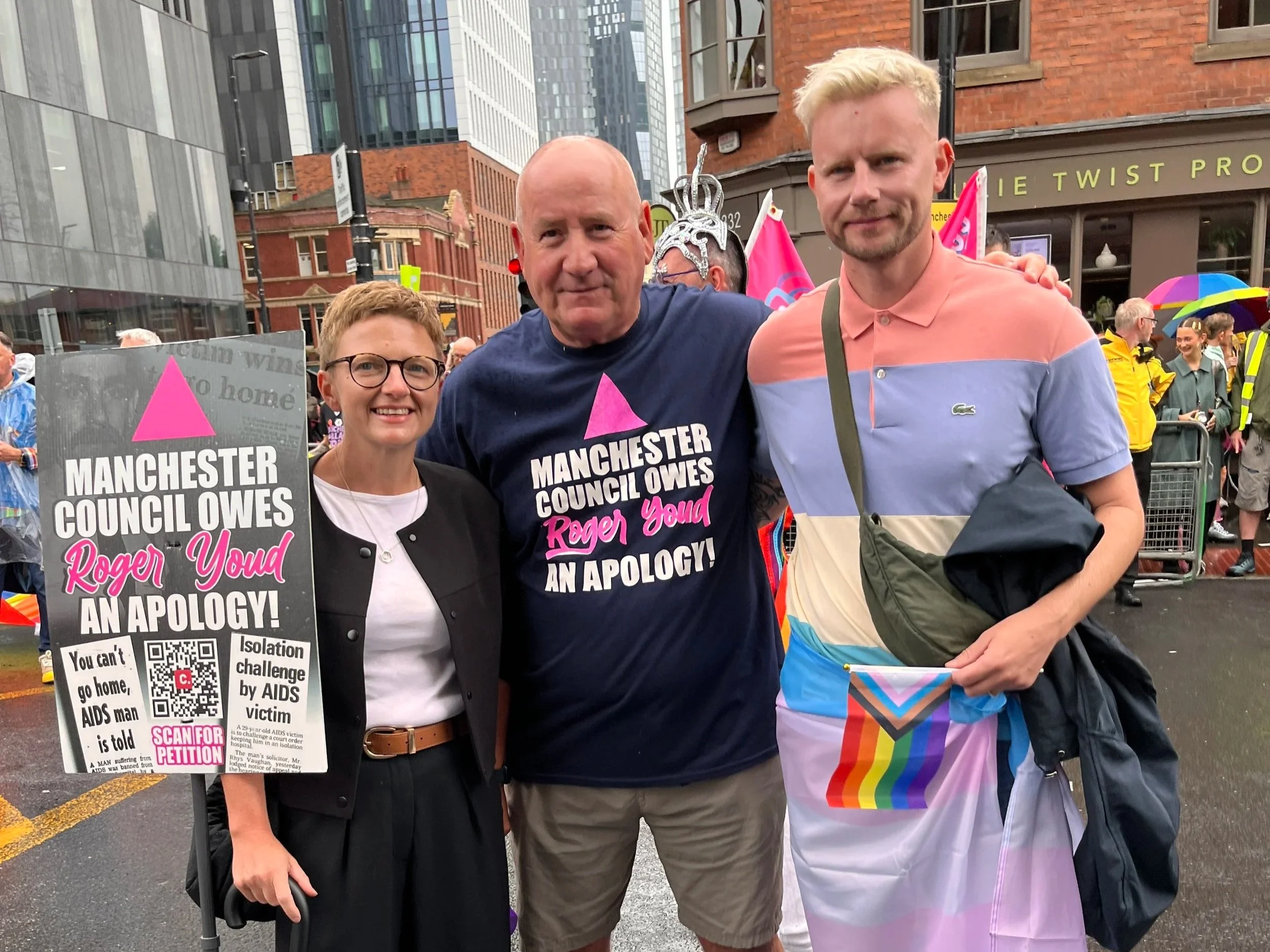
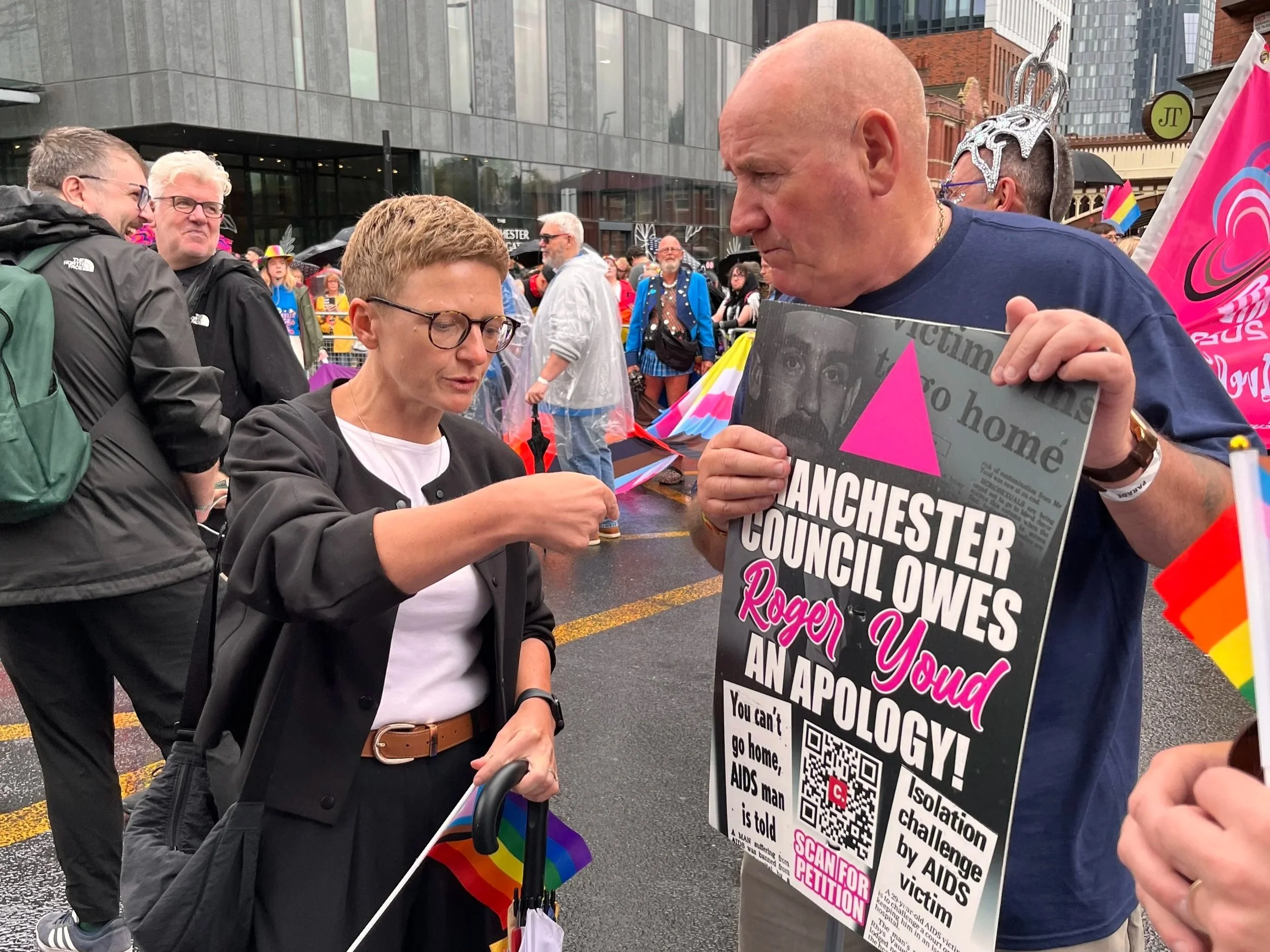


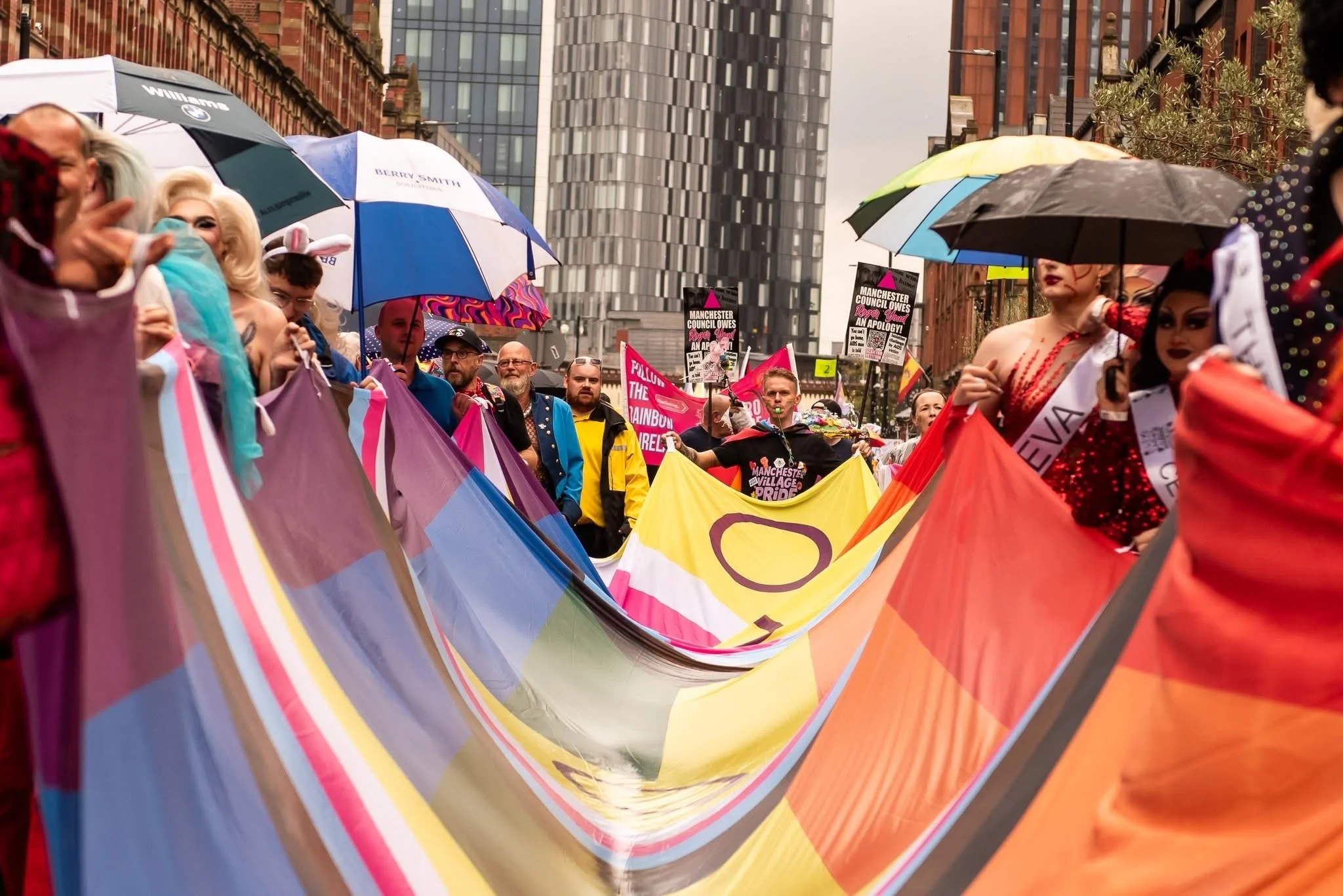
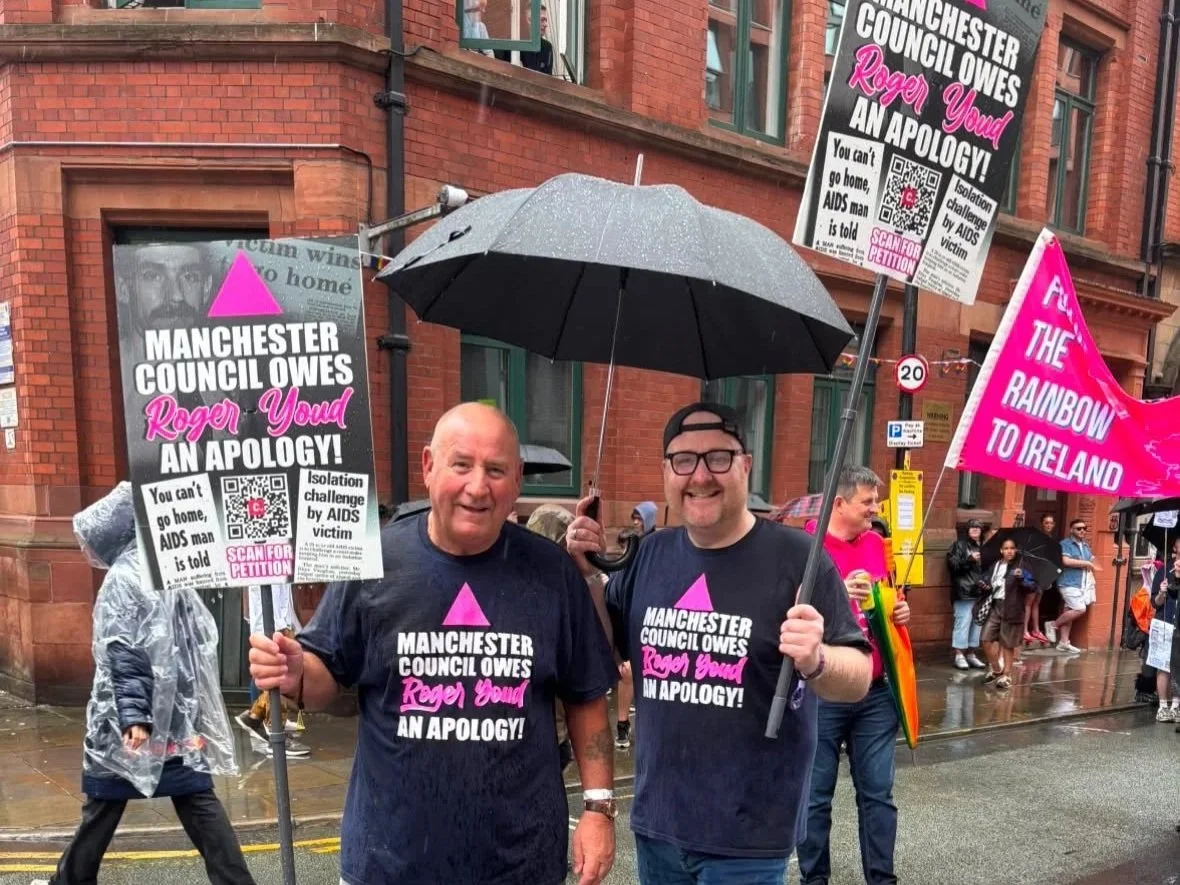
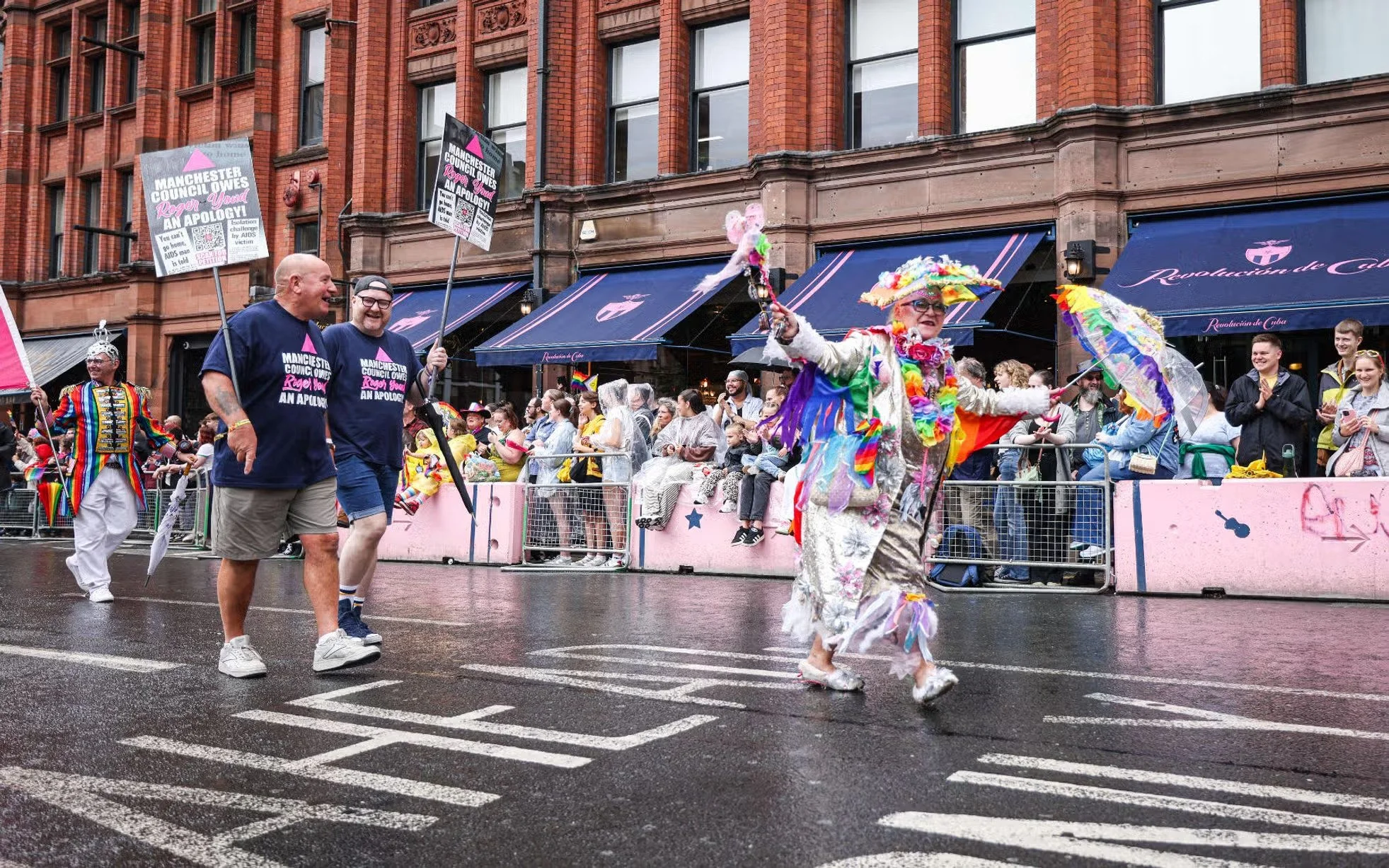
Carlton marching in the Pride parade was both an act of remembrance for his brother Roger, a gay man who lived in Manchester, and a protest demanding an apology from Manchester City Council for Roger’s detention at Monsall Hospital in 1985; it was unnecessary to ask why he marched — his presence made clear he was honoring his brother Roger’s memory and calling for accountability from the council.

Parade: Manchester Council behind Carlton and I.
We were placed right at the front of the parade, positioned just behind the Progress Pride flag, which was being carried by a gaggle of drag queens and community leaders. As we waited for the midday start, we looked back and shared a chuckle when we realised that stretching the entire width of the street directly behind us was a banner held by Manchester City Council—you honestly couldn’t make it up!
Also behind us were Greater Manchester Mayor Bev Craig and Councillor Garry Bridges (now the newly appointed Leader of Manchester City Council), both of whom introduced themselves. Bev had messaged me days earlier stating she saw no reason why an apology couldn’t be arranged.
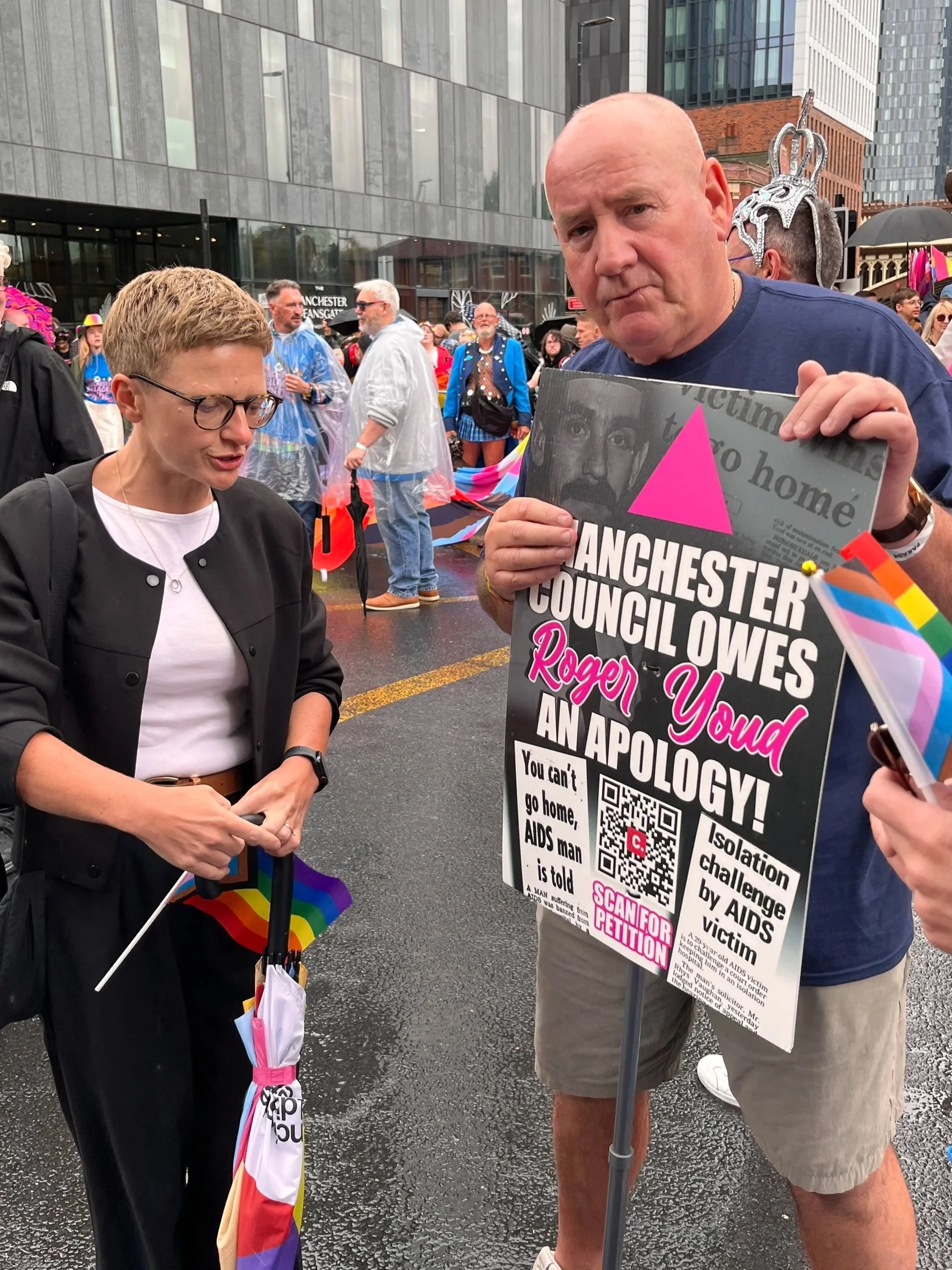
When she introduced herself, I took the opportunity to introduce her to Carlton, Roger Youd’s brother. Amidst taking a few photos, Mayor of Manchester Bev and Councillor Garry both agreed that the latest statement issued by Manchester City Council to the Manchester Evening News on 9 August 2026 did not constitute a proper apology. Speaking directly with Carlton, they shared their perspective that there was no valid reason why a full apology could not be made, and contact details were exchanged.
While conversations are ongoing, I sincerely hope the council will treat Carlton and his family with the utmost respect. They deserve a full, uncomplicated apology—one completely free from disclaimers regarding legal action. If the family had been remotely interested in pursuing legal action, they wouldn't have waited over 40 years to bring a claim, which, to my knowledge, would long since be deemed legally "out of time" in any event.
Manchester Council - Just say Sorry!
Following the Pride Parade, I returned to the Kimpton Clocktower with the Youd family ahead of my volunteering shift. It gave the family a chance to dry off, change, and spend some meaningful time studying the exhibition they helped put together along with viewing Roger’s panel on the AIDS Quilt.
Together, they discussed the dark period of the detainment order thrust upon Roger and the devastating impact of a hostile tabloid press. The family shared deeply personal, previously untold insights into how the detainment was handled and the immense betrayal they felt from the authorities and some tasked with representing Roger. The stigma of the era hit home as they described how the press attention forced Roger’s mother to leave her job, unable to return to work under such scrutiny within their local community in 1985 and the years that followed.
Yet, that sadness was balanced by laughter as they reminisced about the happier times in Roger’s life. I took a photograph of three generations of the Youd family alongside the display, agreeing this image would remain strictly for the private family album; it was a poignant reminder that this was a private family thrust into a hostile public spotlight through no fault of Roger or their own, but purely due to the actions of Manchester City Council and its representatives in 1985.
In getting to know the Youd family, I didn't need to ask how they felt about this renewed interest in Roger's case. Seeing several generations gathered together made it undeniably clear: they were there not just to remember Roger as a brother, uncle, and great-uncle, but to finally reclaim his voice and their own. More than four decades of HIV/AIDS prejudice and stigma forced them into the shadows—to the extent that Roger was even assigned a new identity, Stephen Williams, by authorities. Today, in a very different world, they stood tall and proud to speak his name publicly. They marched in the parade to both honour his memory and demand a long-overdue formal apology, while generously sharing with us a glimpse of the real Roger that the press failed to share—a fun-loving gay man who made Manchester his home and lived life to the fullest before it was so cruelly cut short.
Manchester: The Place Roger Called Home
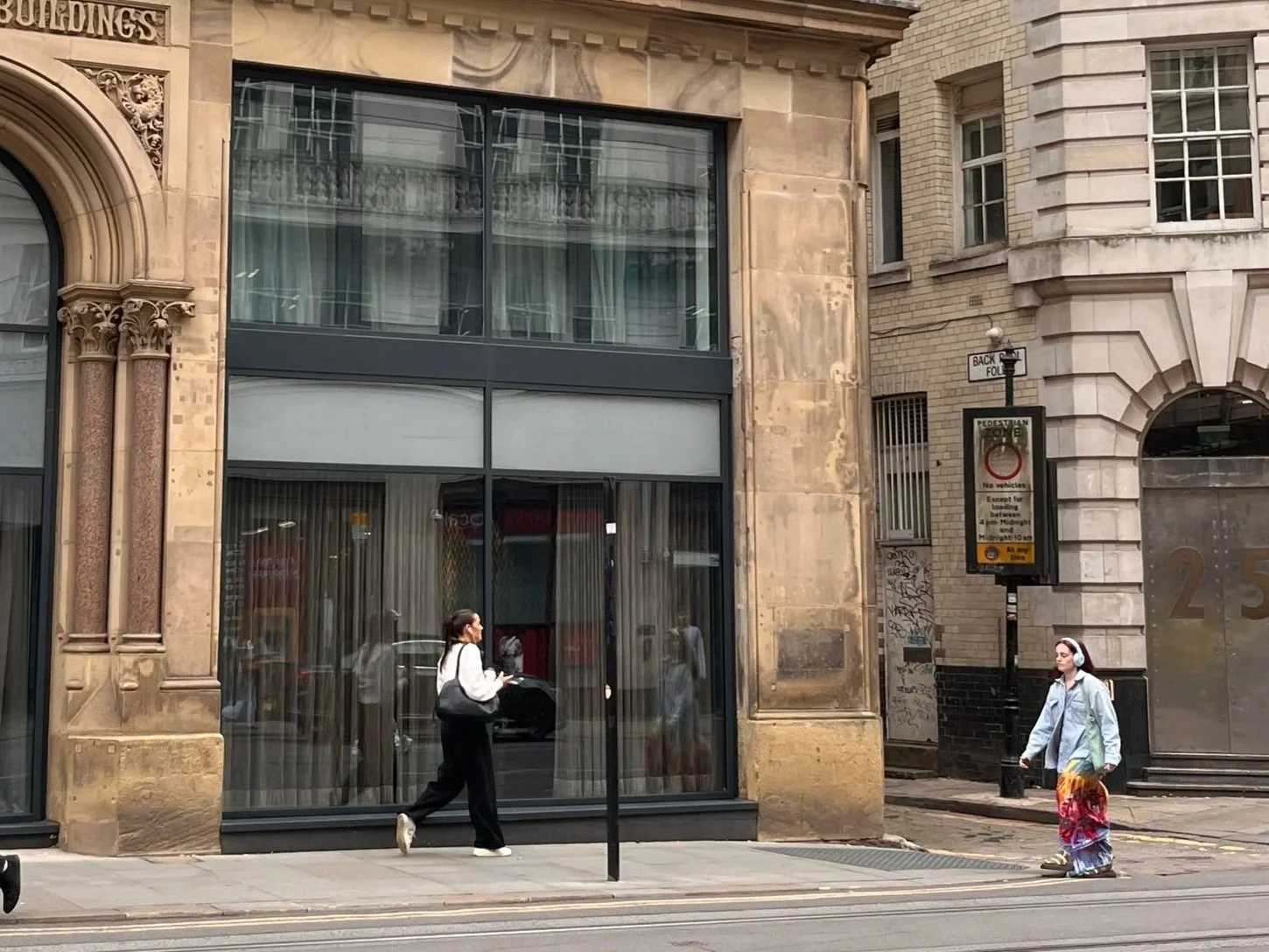
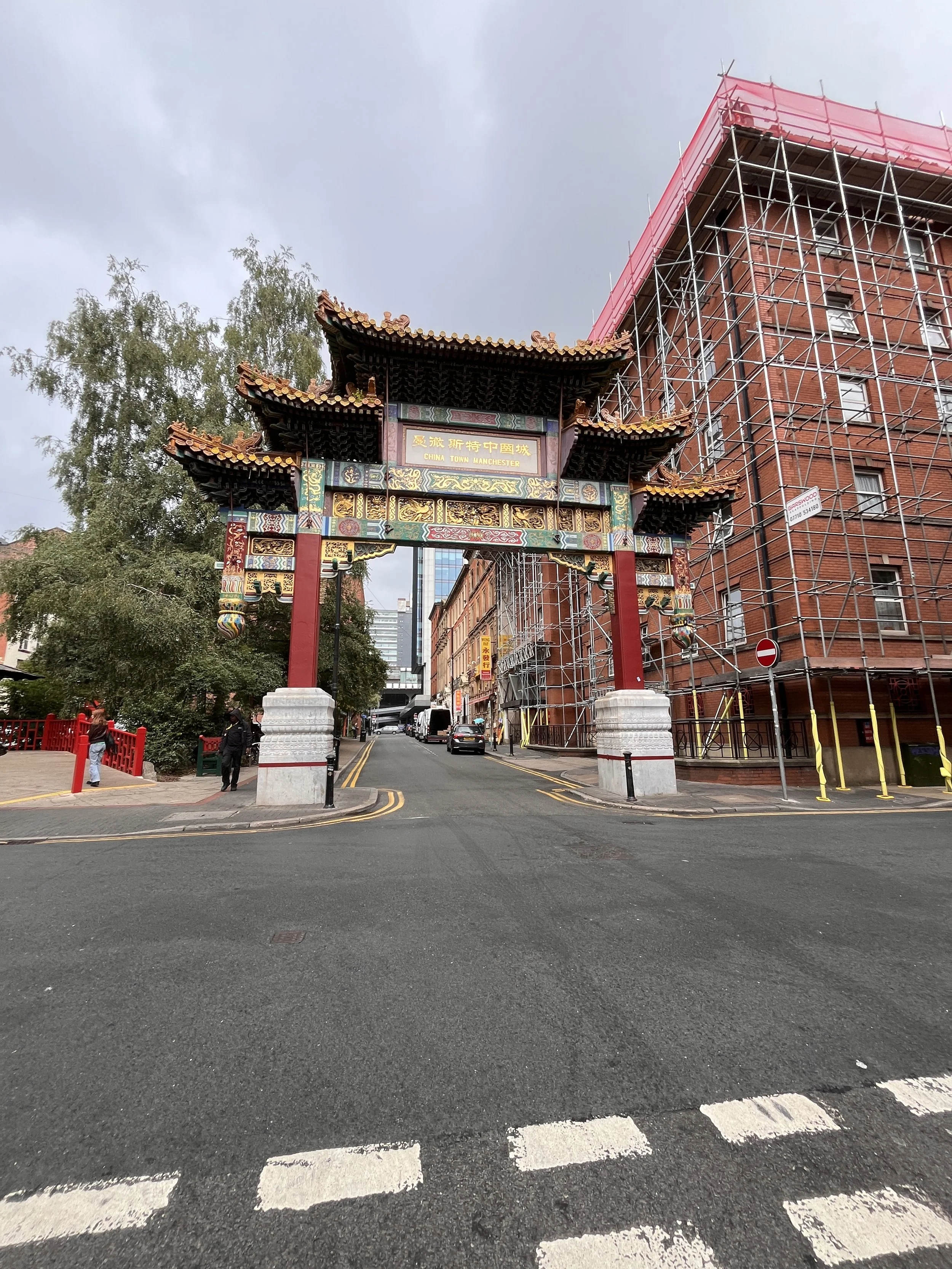
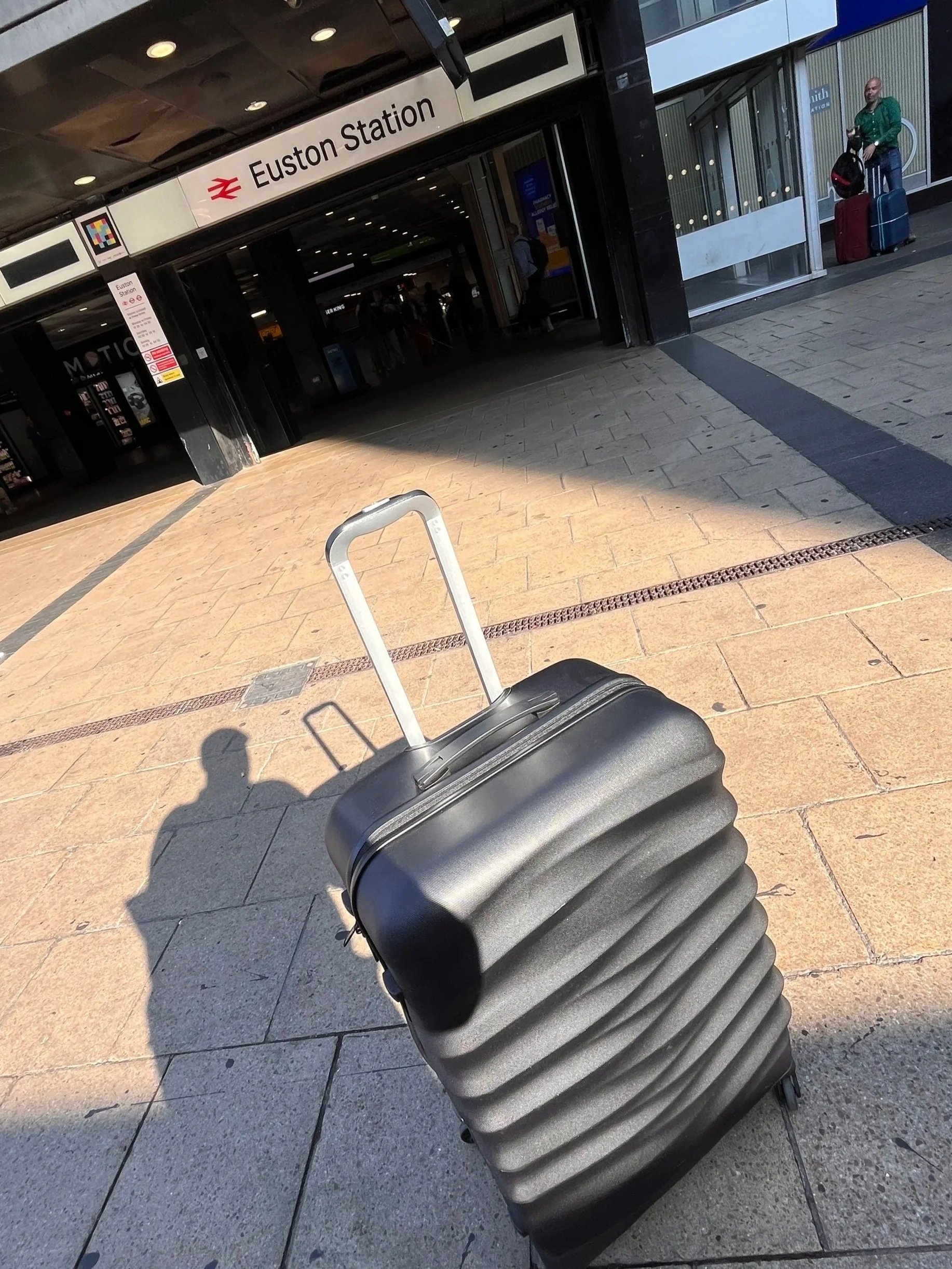
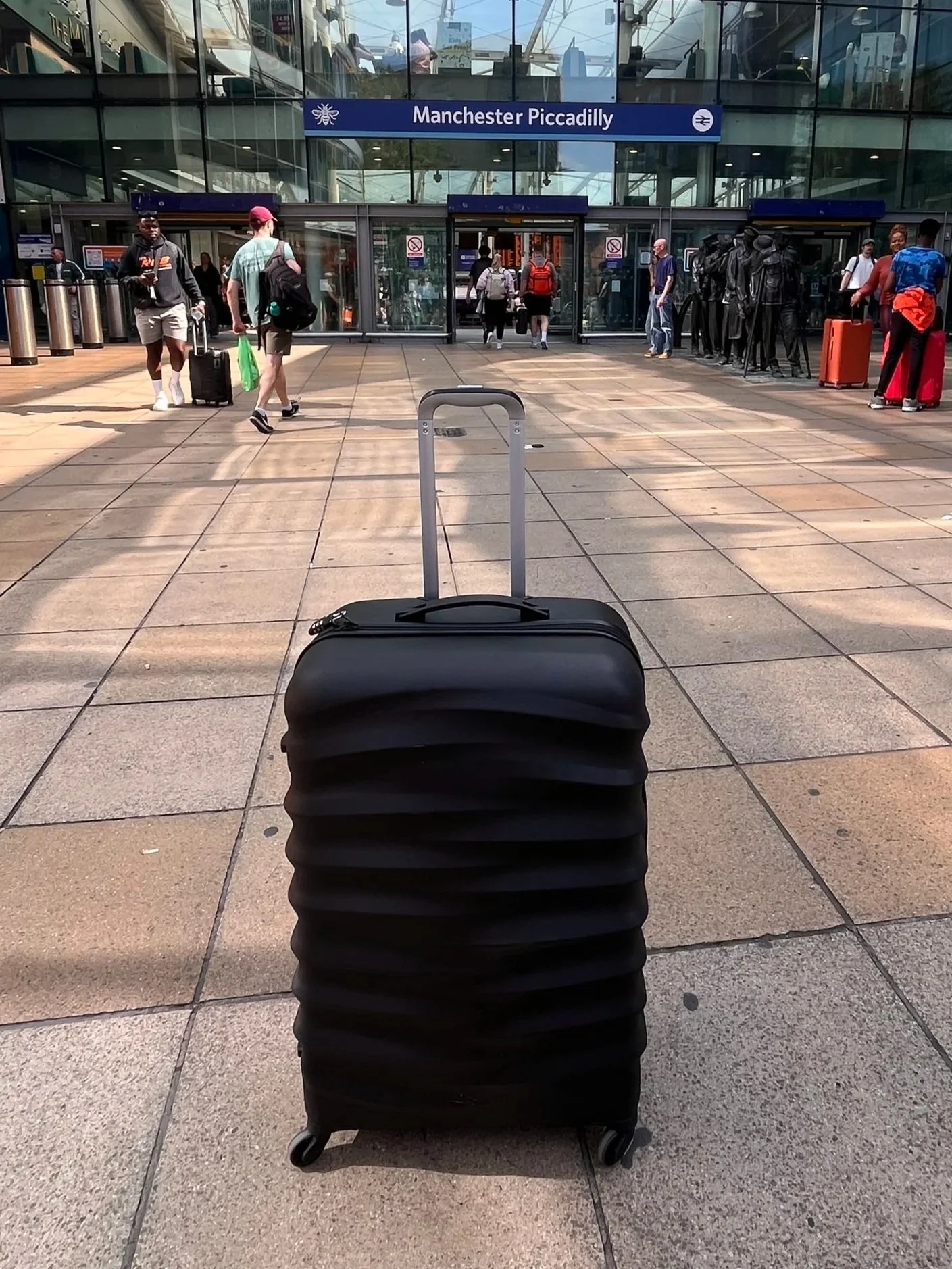
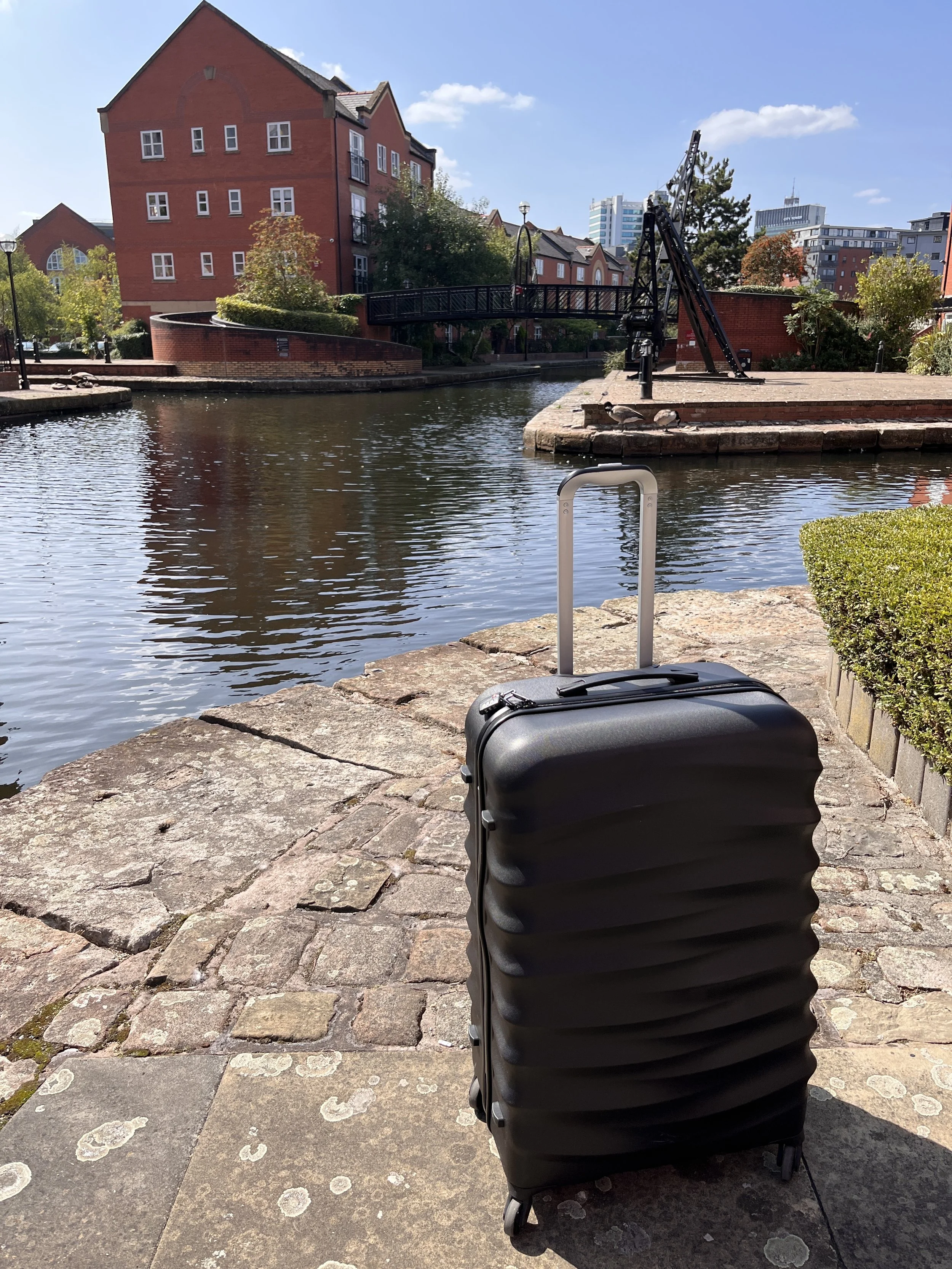
In the rare moments I wasn’t volunteering at the quilt display or liaising with the press and media, I went on a little unofficial tour of the places Roger Youd lived and worked in Manchester. It was a private pilgrimage, part literary curiosity, part urban archaeology, and by the end of the afternoon the city’s corners and creases seemed to map not just geography but the contours of Rogers life lived to the fullest.
I started by taking the train from Manchester Piccadilly, a four‑minute journey to Levenshulme — not the only place Roger had lived in his seven years of making Manchester his home before his untimely passing. His bedsit on the first floor at the rear of 64 Albert Road was only a two‑ to three‑minute walk from Levenshulme station. The familiar place Roger called home, Albert Road was the last place he longed to return to before he was detained at Monsall Hospital, and where he remained until his untimely passing aged 29.
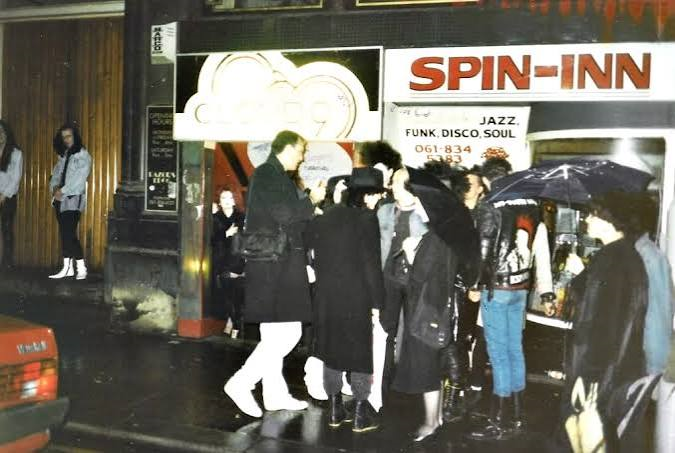

In the 1970s and 80s Manchester was littered with vinyl record shops, and one of the most nostalgic was Spin-Inn at 15 Cross Street. A favourite of Roger’s, it specialised in imported vinyl, which meant he introduced many friends to artists then relatively unknown who would later become household names—Prince among them. Spin-Inn’s cramped aisles, posters peeling at the edges and knowledgeable staff made it a magnet for collectors and curious listeners alike; it wasn’t just a shop but a social hub where discoveries were shared, records swapped and the soundtrack to a generation was slowly assembled.
When Roger clocked off from his day job at Edelson Furs in Ancoats, he took up work at the pubs and bars he knew well. Initially he worked behind the bar at Napoleon’s on Bloom Street, a well‑known gay bar that only closed in May 2024 when it lost its alcohol licence. Around 1983–84 Roger moved to the newly opened High Society at 48 Princess Street, which quickly became an iconic gay club with a small neon sign above the entrance. A tiny side door led down to the basement, where a hat check sat alongside toilets labelled “Kings” and “Queens”. The club offered two dance floors—one reputed to light up like the Saturday Night Fever floor—and a restaurant that served hotpots on Sunday nights to comply with licensing laws. High Society was famous for its drag and fancy dress nights; Roger was photographed there in his corrections officer uniform around November 1983.

High Society: Roger c.1983
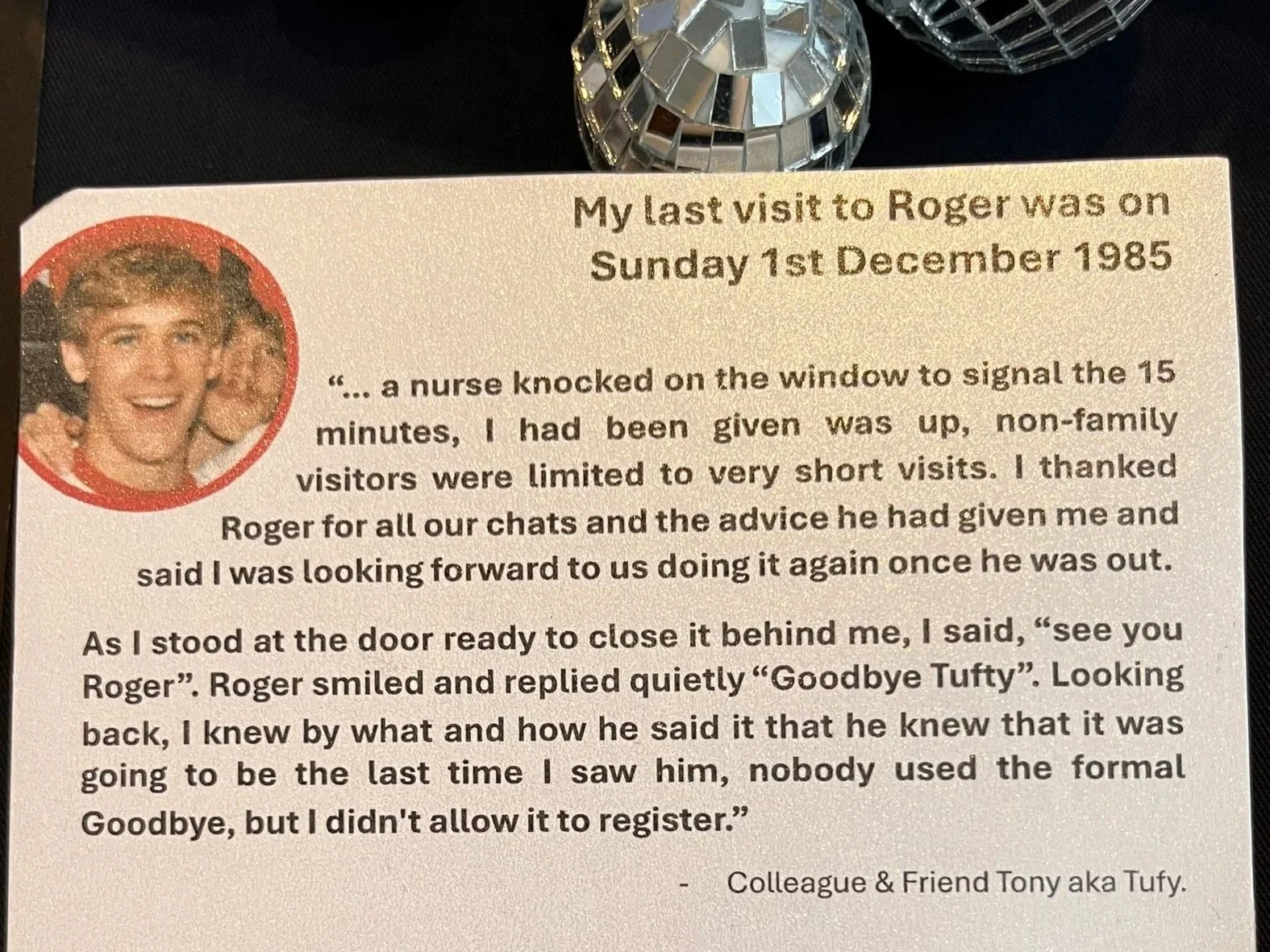
Roger then worked at the No1 Club, an iconic basement bar at 1 Central Street around 1984-85 and was where Antony — known as Tufty — and Roger worked together with the pair having worked at High Society. “We used to get to the club early and spend time sitting in the quiet seclusion of the cloakroom, our chats would always be Roger asking about how my studies were going, deadline for submission of work, what book I was reading and then move on to Roger’s passion, the latest vinyl he would have with him in a Spin Inn carrier bag, who the artist was, what was special about the lyrics or musical composition“ said Antony when recalling his friendship with Roger.
As Roger’s vinyl record collection expanded and his lifelong love of music deepened from his early teens, he began DJing at the No1 Club and other local venues, becoming a familiar presence on the decks across the city often working the early to mid-week slots. In August 1985, after learning of his HIV diagnosis, Roger sought care at Monsall Hospital, a moment that marked a profound shift in his life, and that of his family, friends and people living with HIV/AIDS.

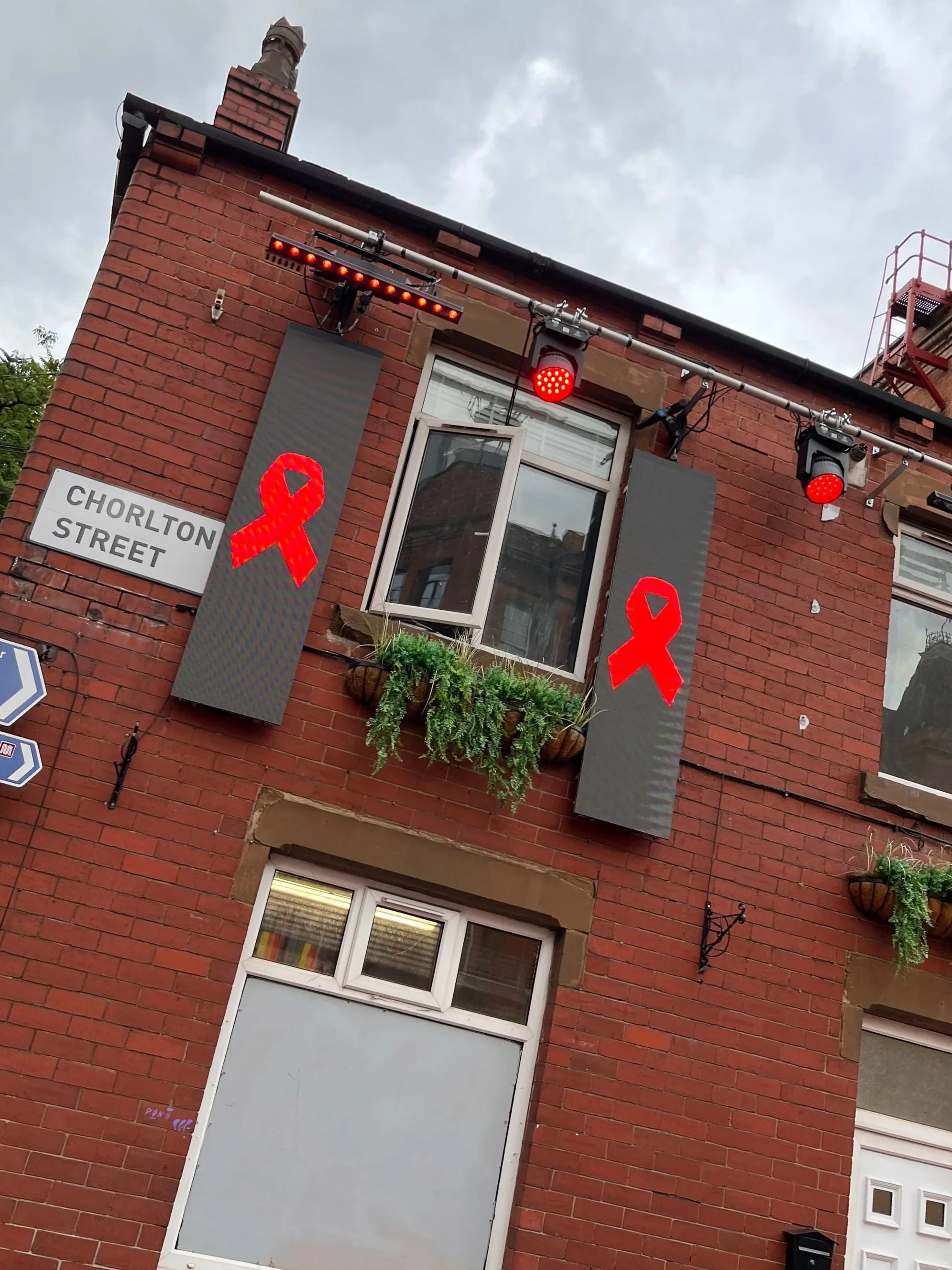
Sackville Gardens, Manchester Monday 31 August 2026 Opens 6pm, Vigil 8:30pm
Friend and colleague of Roger at the 1980s popular ‘No1 Club’, formerly of Central Street, Antony—known then to everyone as Tufty—has tirelessly championed for a memorial plaque in memory of his friend, while sharing poignant recollections of late-night laughter and cloakroom conversations, a camaraderie that highlighted the club’s colourful past ensuring that Roger’s presence along with his colleagues who helped shape it are not forgotten.
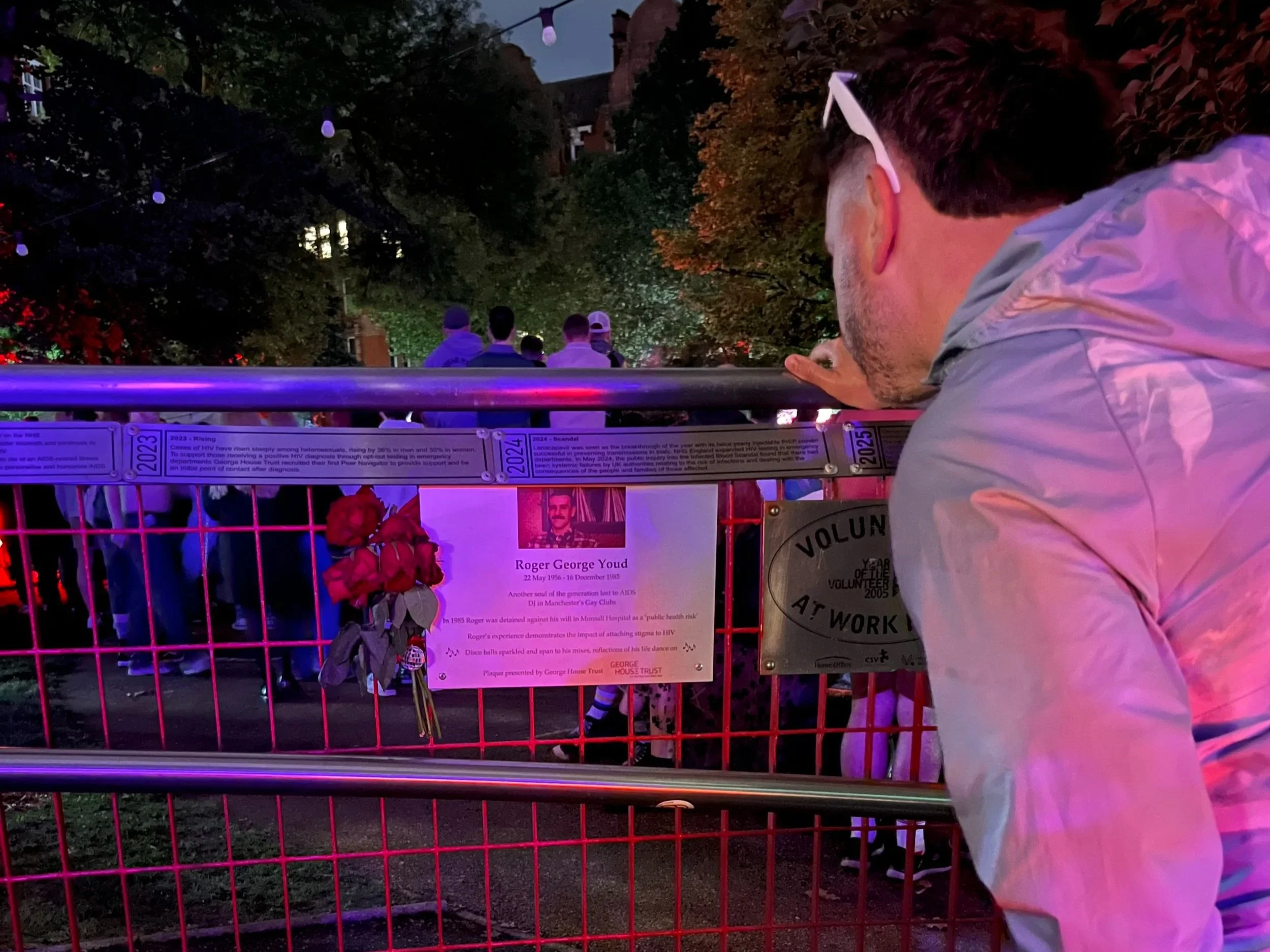
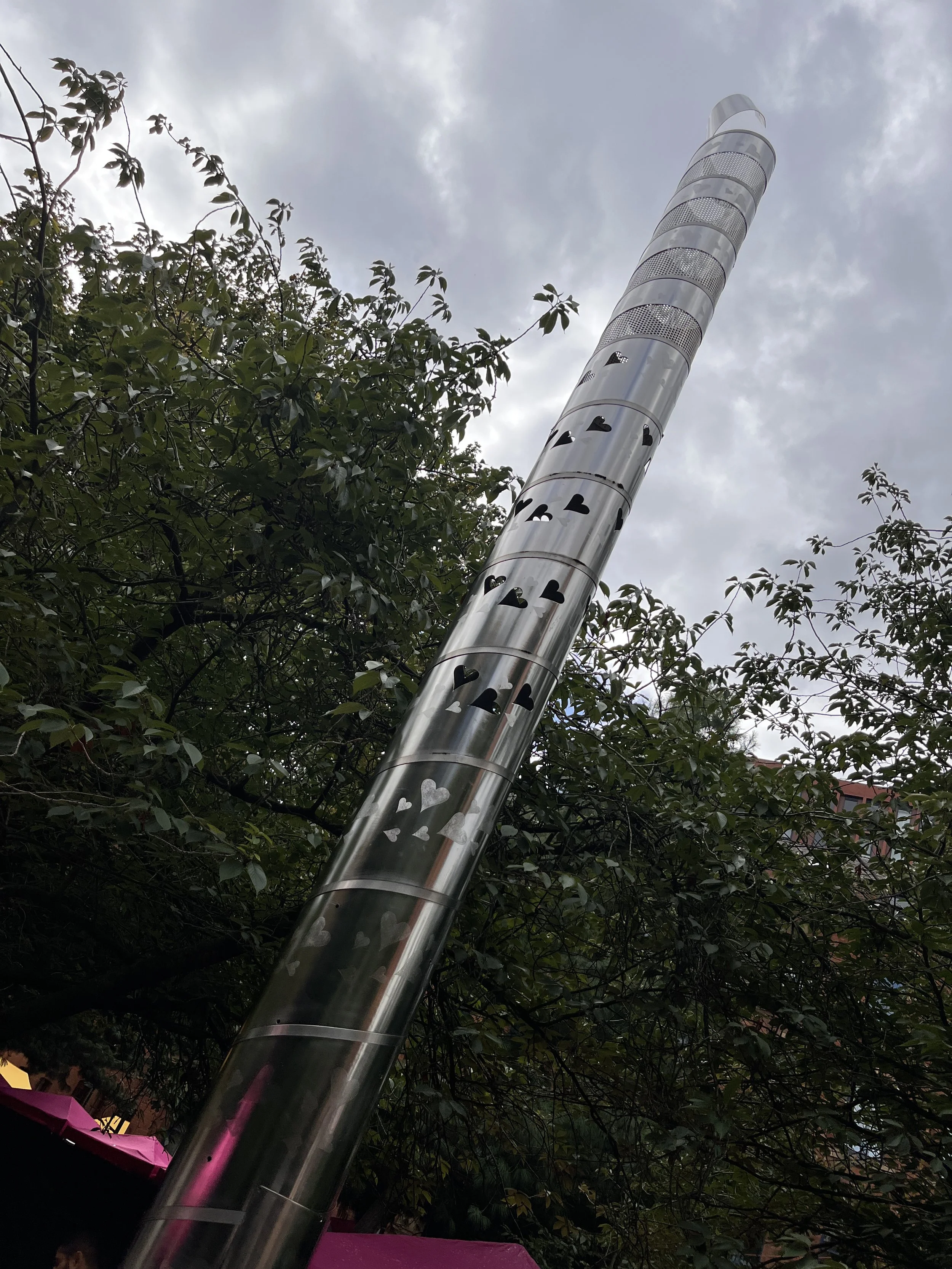
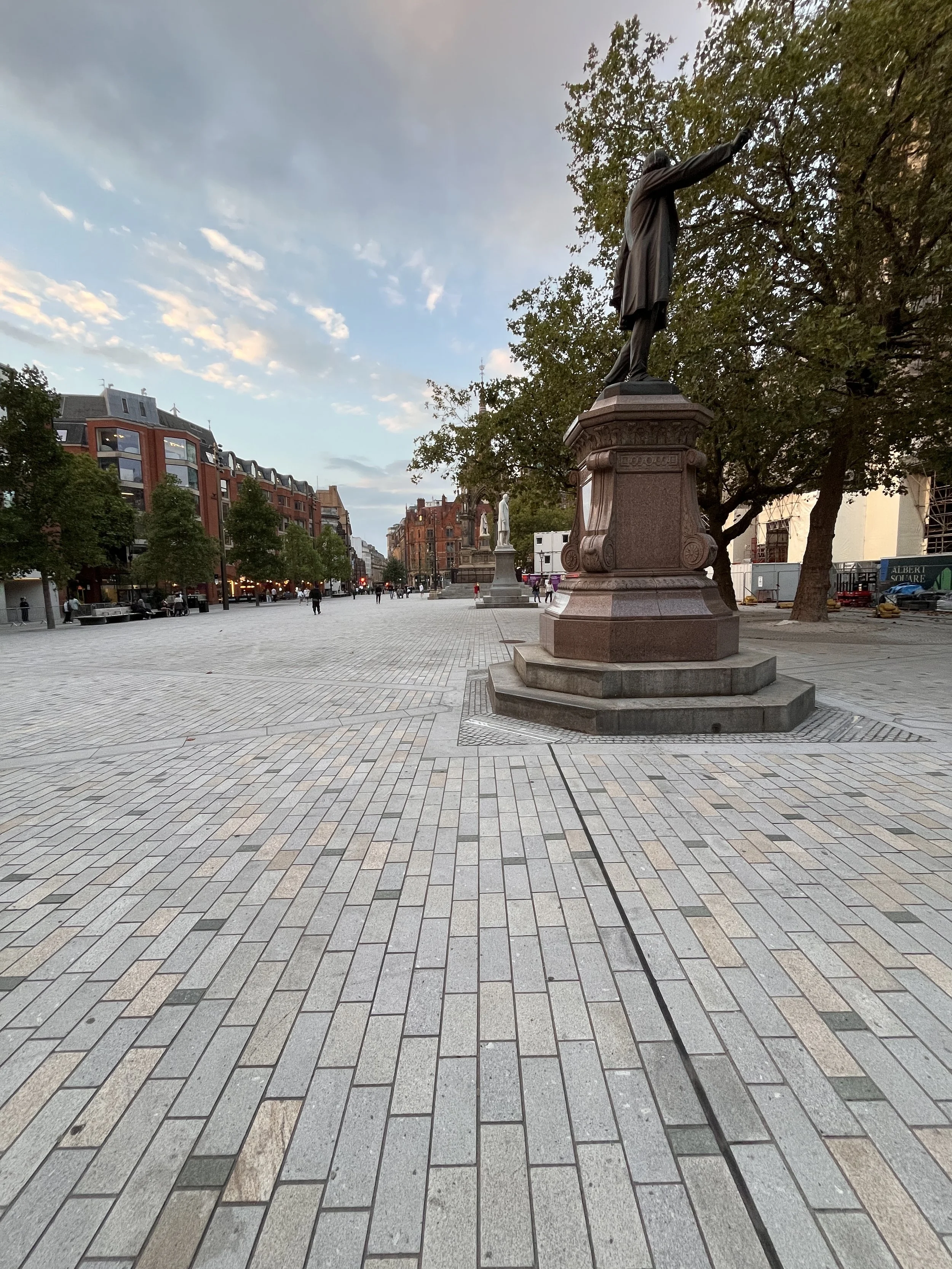
Working closely with the George House Trust, his persistence and care helped secure a timeline plaque for the year 2025 marking 40 years since Roger’s untimely passing. This plaque was unveiled on the Sackville Gardens ‘Beacon of Hope’ on 3 July 2026, providing a permanent and public commemoration of Roger’s life and the community’s ongoing fight for remembrance and justice around HIV/AIDS.
Antony aka Tufty
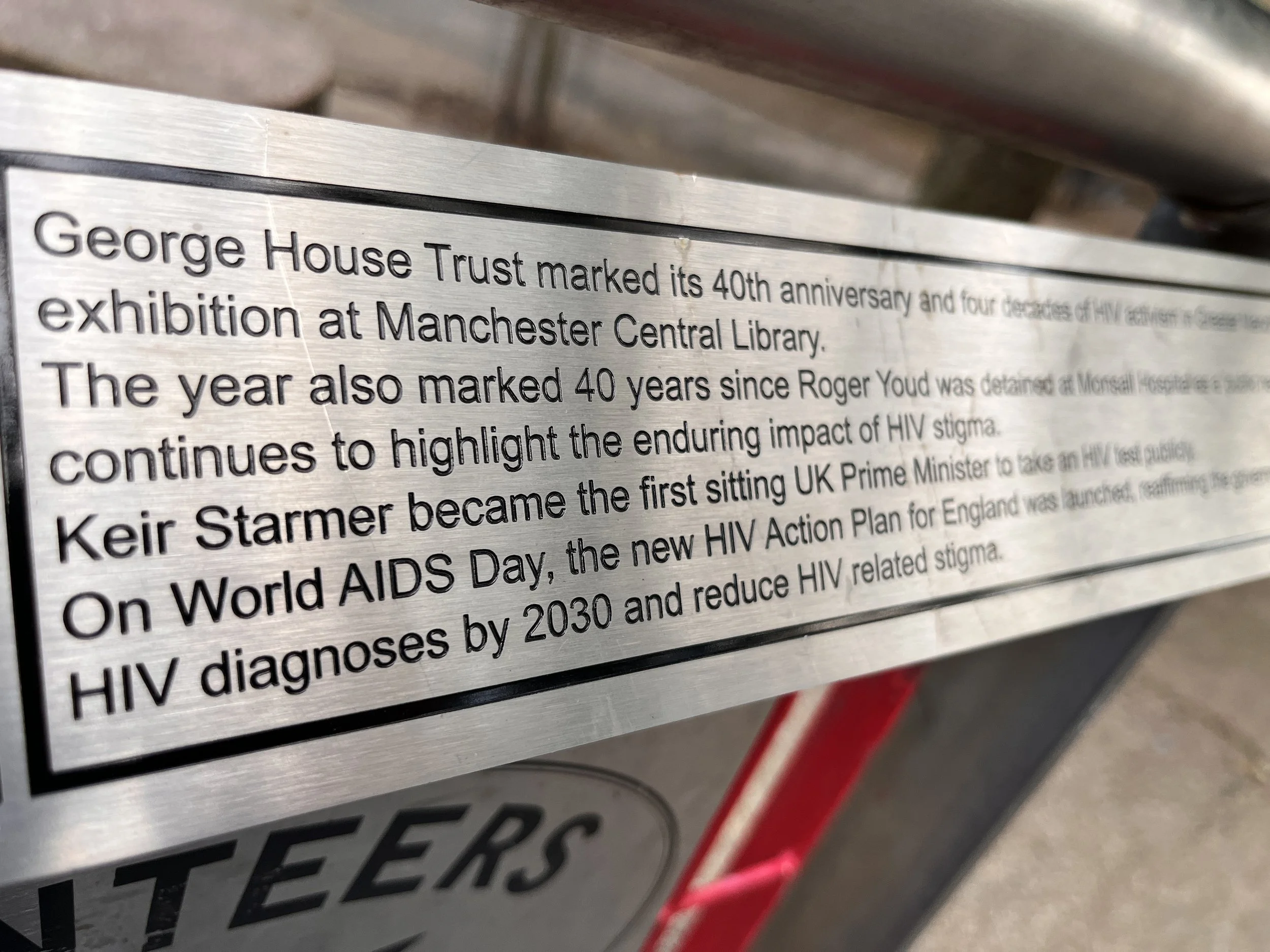


Given the detainment order thrust upon Roger made national and international headlines, prompting Manchester AIDSline, now George House Trust, to set in motion an appeal with the aid of Terrence Higgins Trust and the local Manchester gay community to protest outside Manchester Town Hall, chanting “set this man free”. Through Antony’s persistence, George House Trust honoured Roger’s memory with a personal plaque unveiled on 28 September 2026 on the Beacon of Hope in Sackville Gardens, ahead of Manchester Village Pride and the candlelit vigil.




Click to enlarge (Opens in New Window)















Additional Listening & Reading

Thank You
To Carlton, Catherine and the Youd family — thank you for allowing me to help highlight the injustice suffered by Roger and the family, and for generously contributing personal items for the display. Your courage in sharing private memories has given the public a clearer, more human understanding of Roger and your grief and loss and why it matters. Your openness, trust and willingness to make a stand has been indispensable in turning loss into a meaningful public record that honors Roger’s memory and calls attention to the need for truth and accountability.
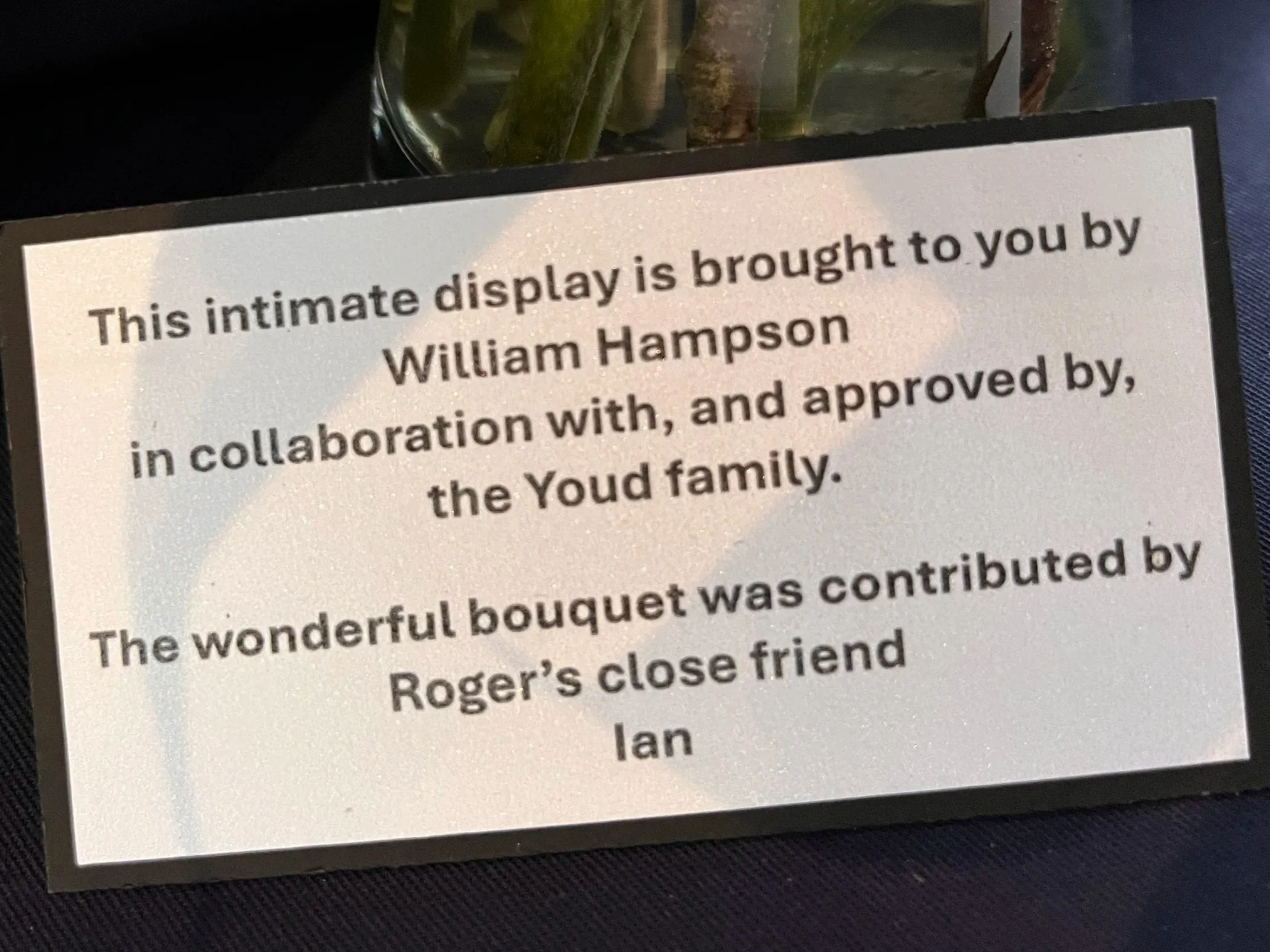
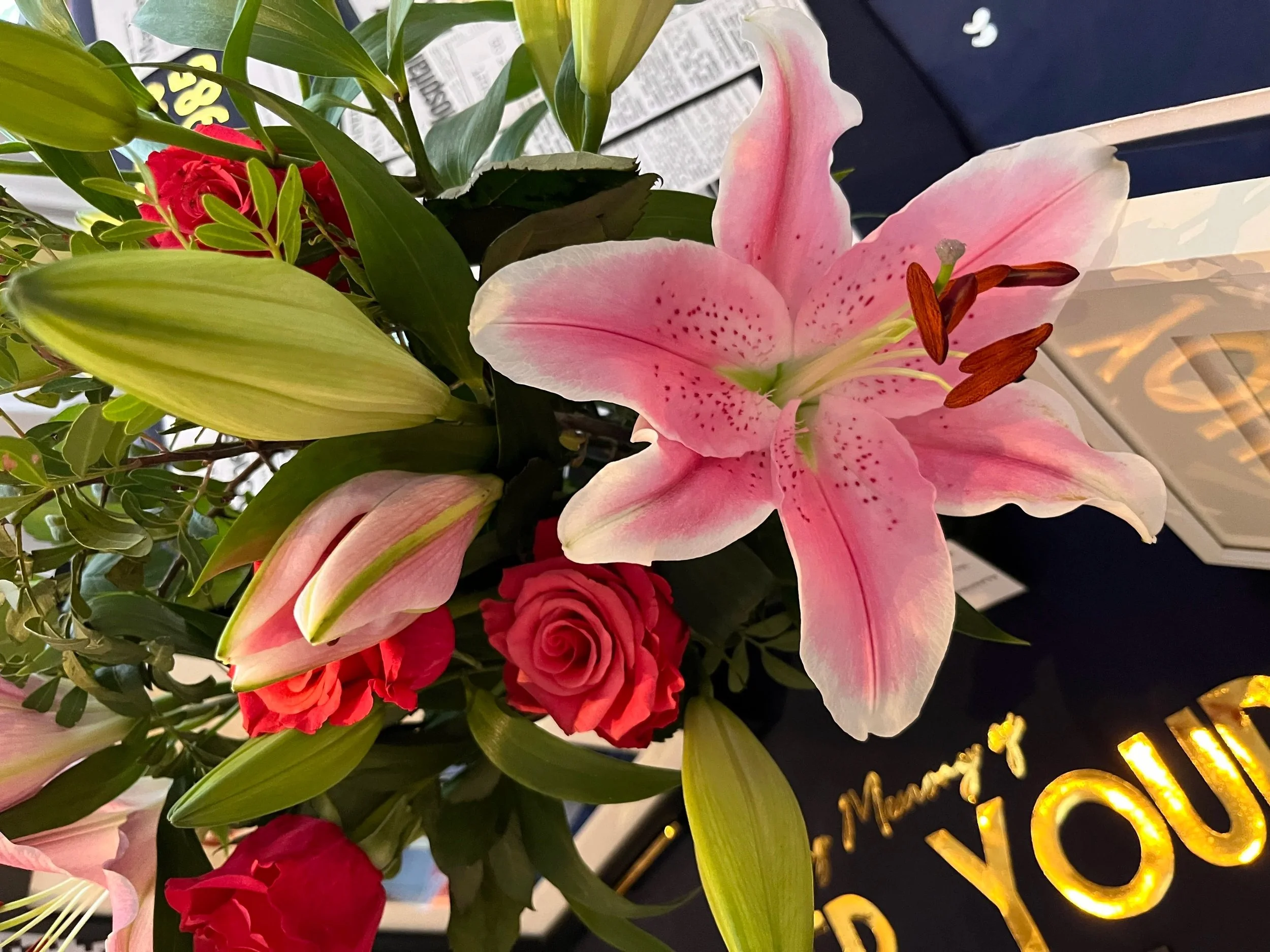
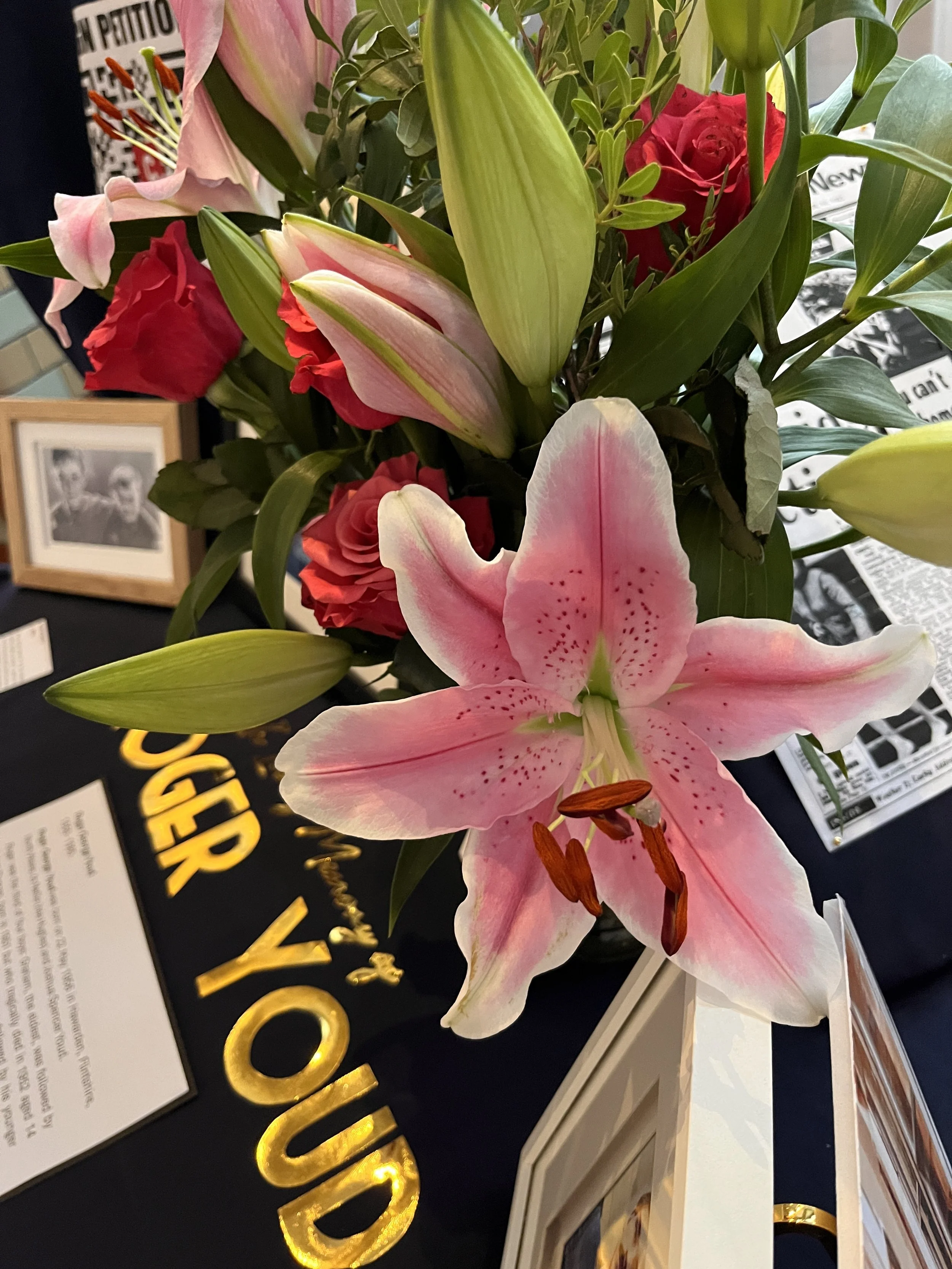
To Roger’s close friend Ian, who contributed a beautiful bouquet of flowers for the display honoring the memory of his friend Roger and who kept me company, virtually, over the nine days. And to Roger’s friend Antony, aka Tufty who championed the plaques in memory of Roger.
To the Kimpton Clocktower, Manchester for providing this unique space and for making me feel so welcome by David and the team. Manchester Village Pride for bringing the Quilt to Manchester and allowing me & Carlton Youd to march in the pride parade. I look forwar to next year, hopefully to celebrate an apology. The UK AIDS Memorial Quilt & the George House Trust for allowing me to bring the quilt to Manchester and for connecting me with their wonderful volunteers.