AIDS: THE LOST VOICES

MALABAR AIDS WING
LONGBAY JAIL AUSTRALIA
Longbay Jail in New South Wales has long been regarded as Australia’s “toughest prison,” and in the 1980s and 1990s it became notorious as the site of the prison system’s AIDS wing, initially called the Malabar Assessment Unit and grimly referred to by inmates as “death row.” Press coverage from the era documents tense confrontations as prison officers staged strikes and protests when inmates labelled “AIDS carriers” were not segregated and were moved into the main population, reflecting both genuine fear of infection among staff and vocal hostility from other prisoners unwilling to share space with those infected.
Malabar Unit 1992 Photographer: Simon Alekna
Malabar AIDS Wing, 1 Feb 1989 Photographer: Miller
Within that fraught environment, individual stories emerged: transsexual inmate Tanya Spence forming a relationship with fellow inmate David on the segregation wing, and Neil Carroll, a convicted armed robber who redirected his sentence into AIDS peer-support work and, later, playwrighting, producing several AIDS-awareness plays performed for inmates and the broader public — acts that complicated a narrative otherwise dominated by fear, stigma and institutional conflict.

Click to Read (Opens in New Window)



Scott was born on 14 December 1965 and died — as Tanya Michelle Spence — on 20 January 1999 at home, aged 33. Tanya had been working as a prostitute to feed a heroin addiction, both she and those around her deemed ‘high risk’ at a time when AIDS had become a global pandemic. Little is known about her beyond fragmented press reports, but her story was far from isolated: like the transsexual women she befriended while working in Kings Cross or those she encountered in custody, Tanya’s early life was likely marked by a troubled or abusive childhood, often rooted in rejection.
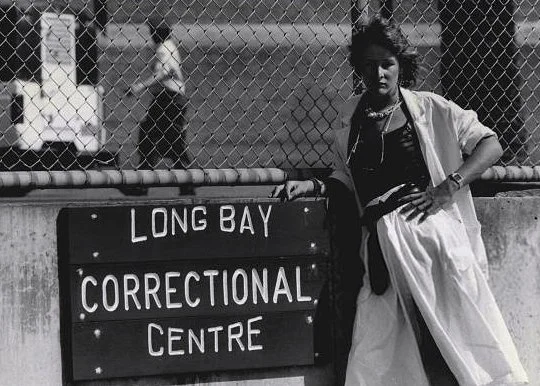
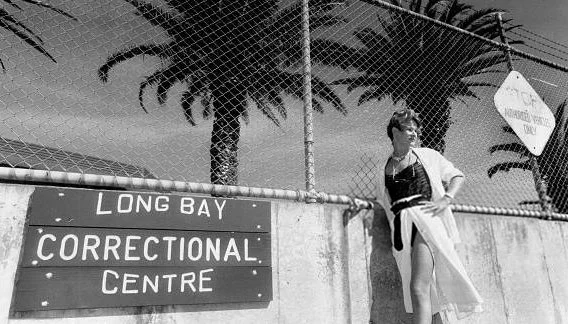
Tanya Spence, 21 January 1988 Photographer: Brendan Read



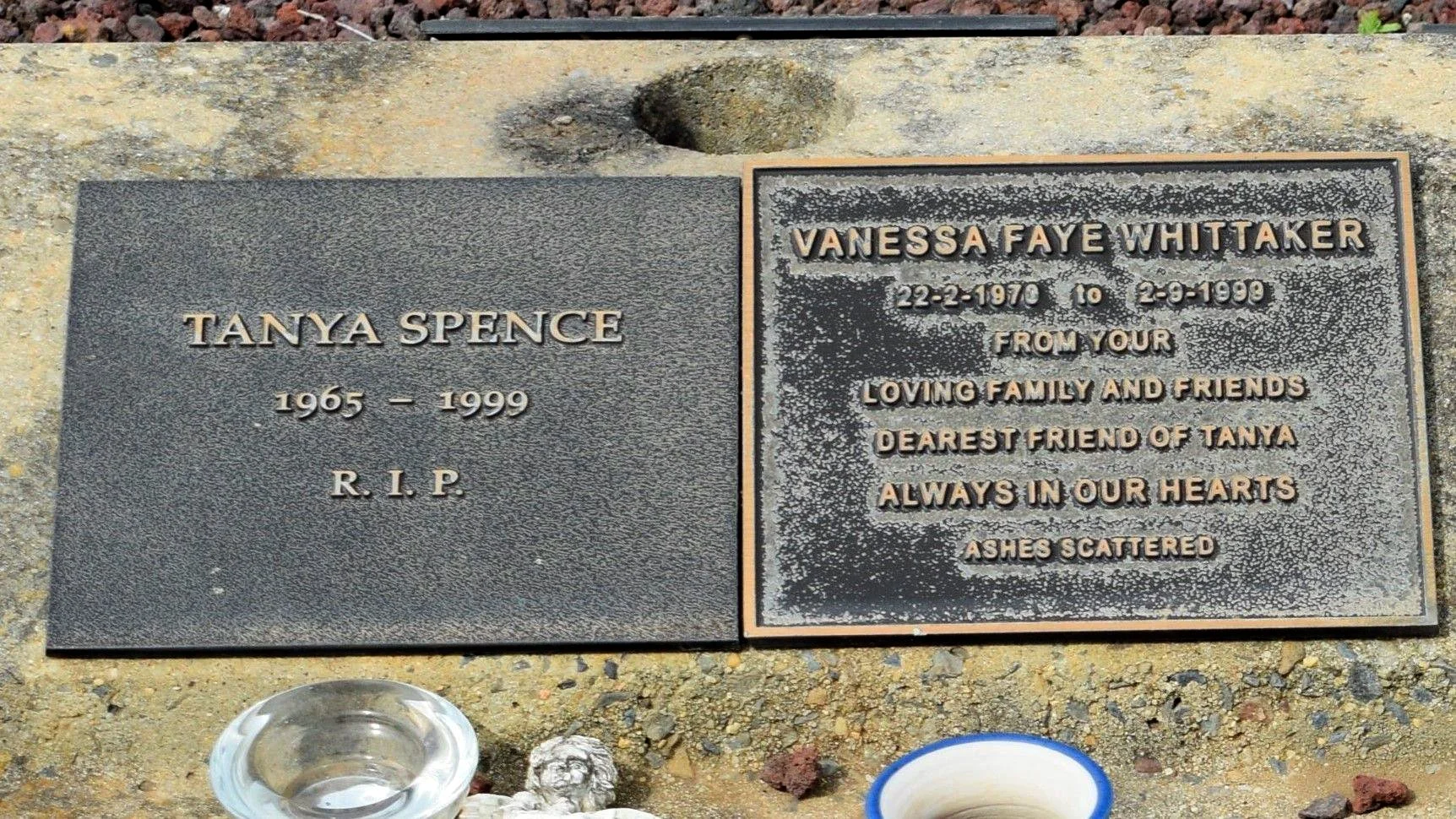
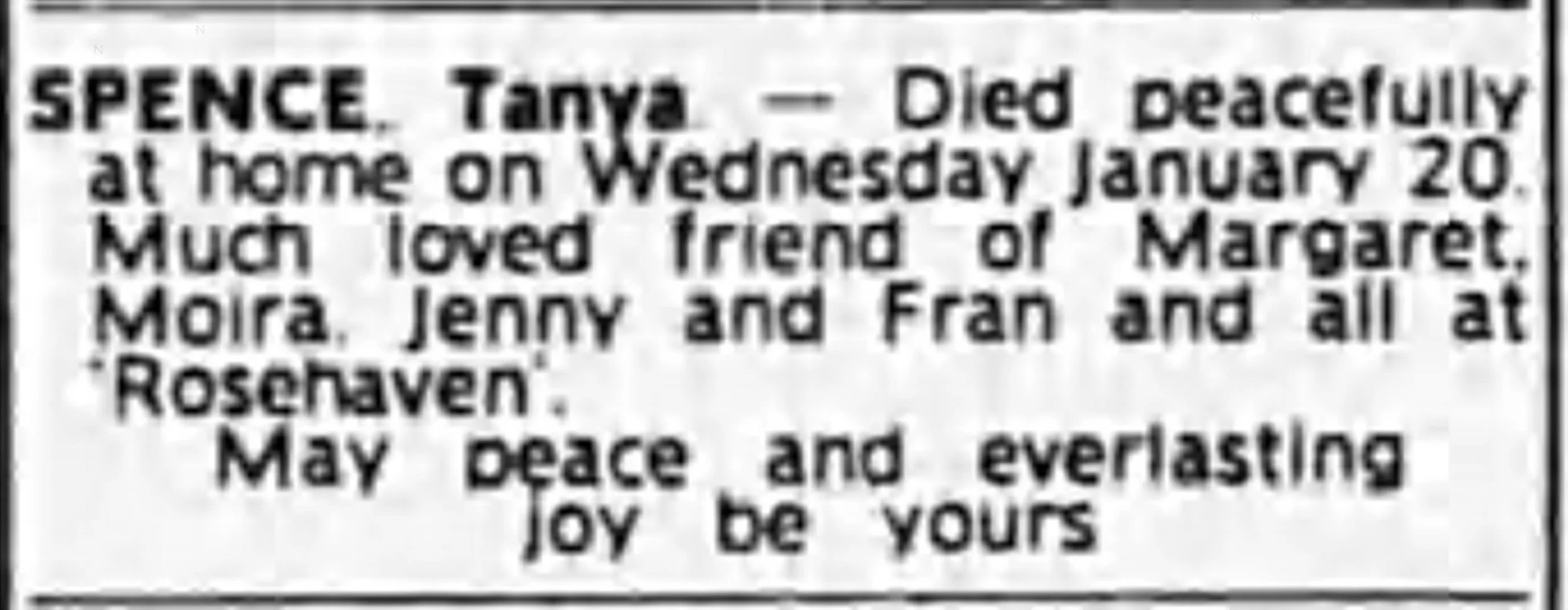
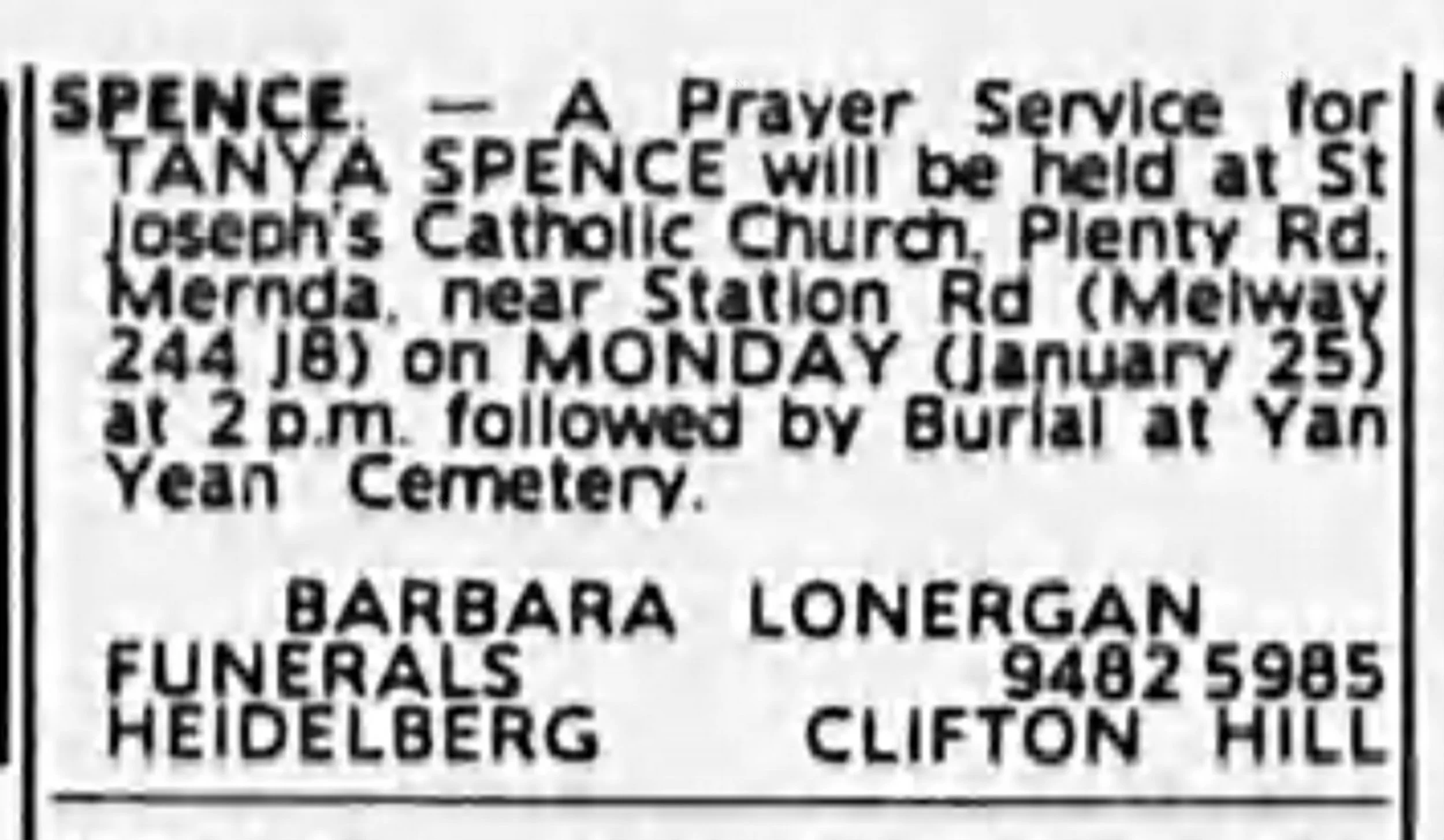
Tanya: Nov 1988 By: Philip Wayne Lock




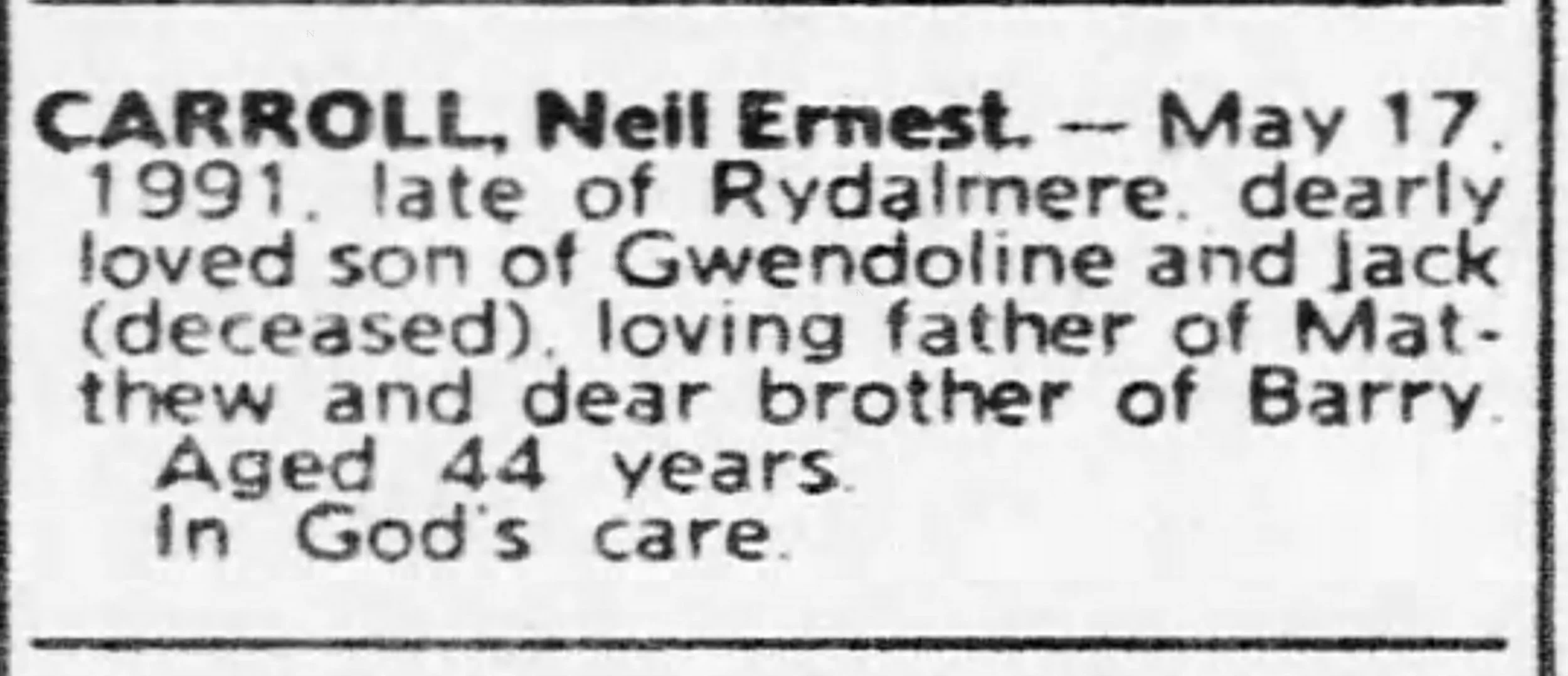
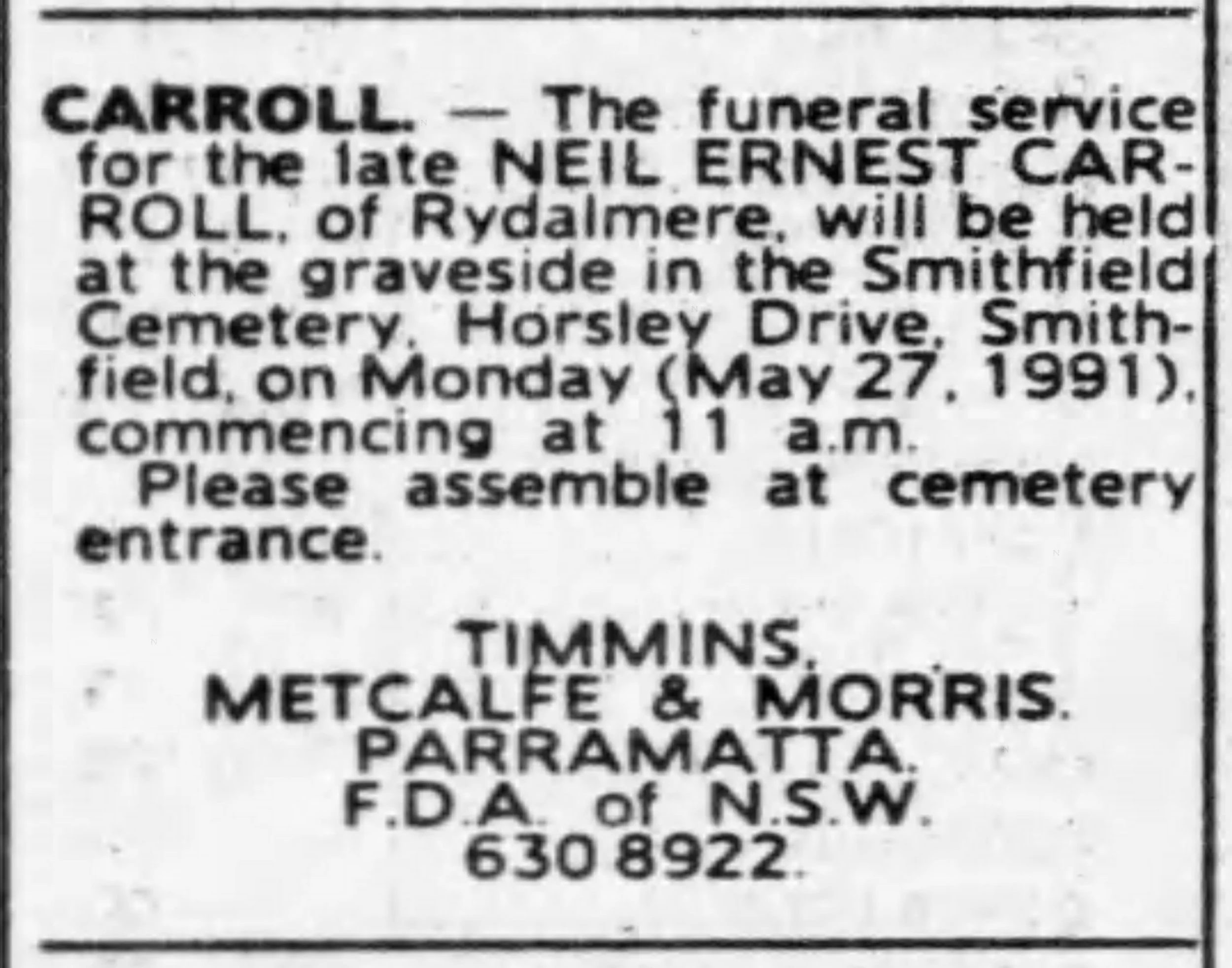
Neil was first incarcerated in 1970 after an armed robbery conviction and several burglaries, and by the time he was placed in the Long Bay Malabar Unit (AIDS Wing) he had witnessed the self‑righteous abandonment of people diagnosed with AIDS; there he turned his attention to raising awareness of the disease.
While incarcerated he was instrumental in establishing peer support services and went on to make a name for himself as a playwright, penning several plays about AIDS that were performed by fellow inmates for both prisoners and invited members of the public. These productions aimed to highlight the human effects of the illness and to educate audiences about avoiding high‑risk behaviours, using lived experience and storytelling to counter stigma and deliver practical harm‑reduction messages.
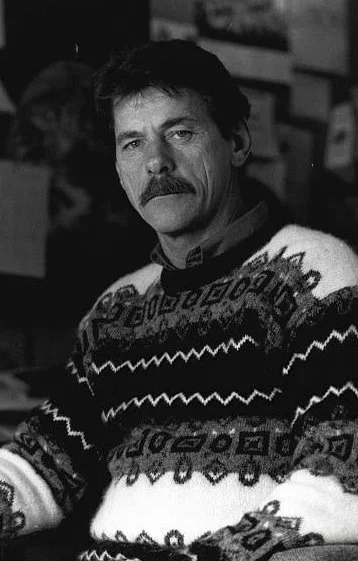
Neil Carroll, 1989 Photo: Philip Wayne Lock
Upon his release he went on to work at the Albion Street AIDS clinic; although we could not establish the precise nature of his role, it was almost certainly in education or peer support, continuing the advocacy he had begun behind bars. Whether delivering workshops on safer sex and harm reduction, offering one-to-one support to newly diagnosed patients, or sharing hard-won credibility as a peer mentor, his presence at the clinic extended the same commitment to community he had demonstrated inside prison.



Fellow inmates from the AIDS Wing performing one of Neil’s plays ahead of performances for inmates and members of the public.

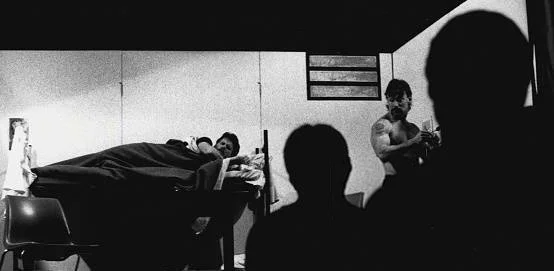

AIDS Awareness Play, 9 Dec 1988 - AIDS Wing, Long Bay Photographer: Ben Rushton

Any third-party copyright material has been accessed through paid membership or incurred an administrative cost. Material has been used under the ‘fair use’ policy for the purpose of research, criticism and/or education, especially around the topic of HIV/AIDS. There has been no financial/commercial gain.