AIDS The Lost Voices

AIDS IN CHAINS
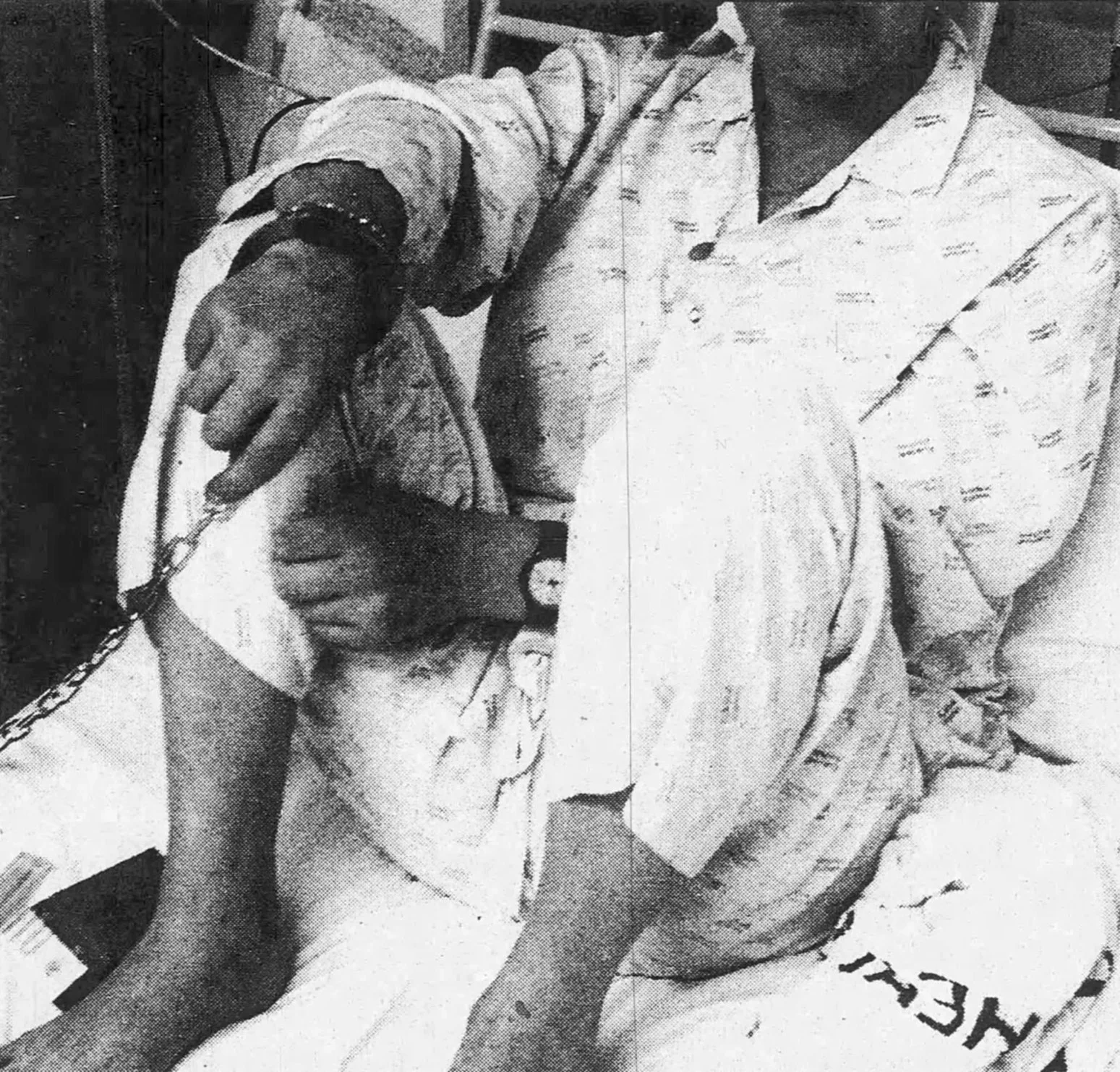
AIDS WARD: ‘Jane’ in chain, 1996
A forgotten and overlooked aspect of the AIDS pandemic was how people diagnosed in prison were treated when their illness advanced: rather than receive dignified medical care, many were transported to hospitals in chains and shackles. In 1991 a male prisoner testified to being taken to hospital still chained, and in 1996 a woman on remand, ‘Jane’ — not convicted, with no previous offences — was held in the AIDS ward at St Mary’s Hospital, London, chained to a guard round the clock; so weak she could barely walk the corridor, her chain was wrapped in a jacket at night to stop it from rattling and keeping her awake.
Press coverage and photographs provoked national outrage and became a scandal for the then Conservative government, which was forced to review the policy of shackling women on hospital visits. That episode exposes how stigma, punishment and institutional inertia compounded the suffering of people with HIV in custody, consigning compassion and basic human dignity to the margins.

Click to Open (New Window)



In 1996, a woman identified only as “Jane” asked to remain anonymous because of her HIV status; press coverage at the time referred to her solely by that name. The Irish Independent later reported that court documents revealed a surname of Roche, a claim her solicitor denied, and without confirmed identification it has been difficult to trace what became of her afterwards.
We have searched records for both “Jane” and for anyone named Roche born in Ireland around 1962 without success; the trail remains inconclusive and we will continue to investigate.
1996: ‘Jane’
ANN WIDDECOMBE
Prison Minister 1995-1997
Ann Widdecombe was a prominent British politician for over 23 years, serving as a Conservative Member of Parliament from 1987 to 2010; like many politicians, and particularly those who held ministerial office, she was not always popular, her forthright and outspoken manner often provoking controversy. Retrospectively, that unapologetic style — a readiness to state her views plainly and to stand by them — can be seen as increasingly desirable in a political climate that values perceived authenticity and consistency, even if it sometimes came at the cost of broad public approval.
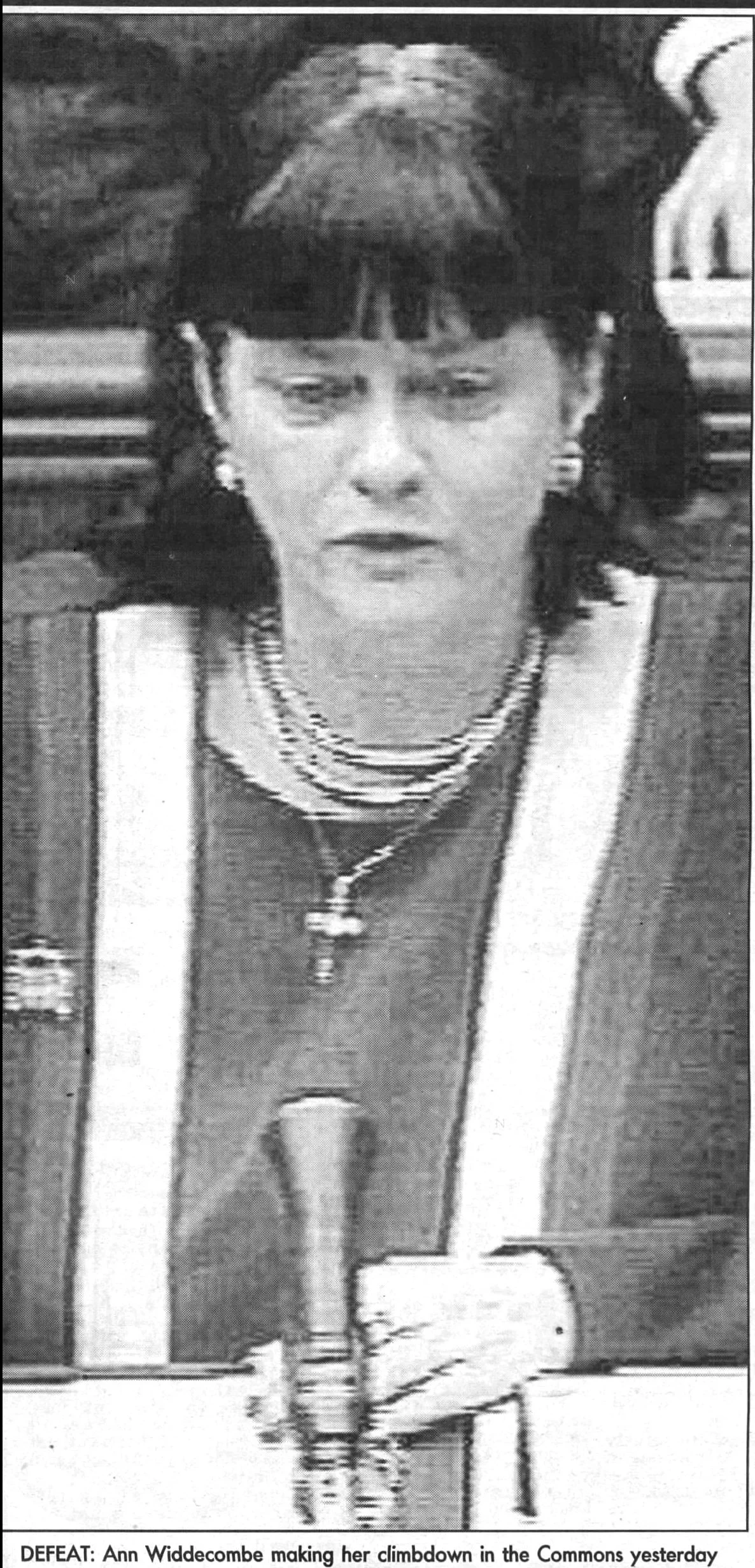
Ann Widdecombe
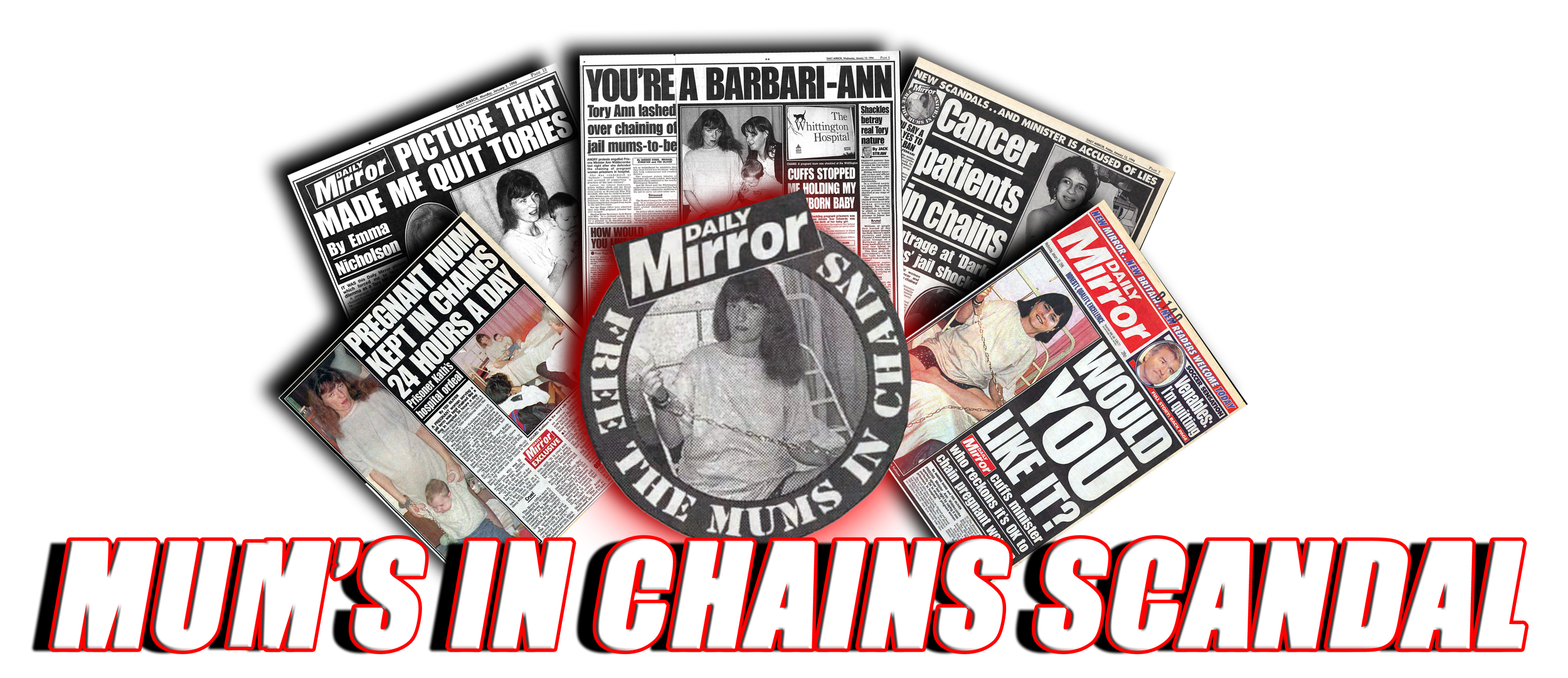
For as much flack tabloid newspapers get, occasionally they do get it right; in this case the Daily Mirror exposed a disturbing practice in which female prisoners, mainly of HMP Holloway, London — some convicted of minor offences, others still on remand — were routinely chained to hospital beds or to prison officers during medical treatment. Their "Free the Mums in Chains" campaign, launched in December 1995, threw a harsh spotlight on the indignity and questionable legality of restraining women in such vulnerable circumstances, and by January 1996 the story had escalated into a national scandal that forced public debate about prisoner treatment, proportionality and human rights.


Any third-party copyright material has been accessed through paid membership or incurred an administrative cost. Material has been used under the ‘fair use’ policy for the purpose of research, criticism and/or education, especially around the topic of HIV/AIDS. There has been no financial/commercial gain.